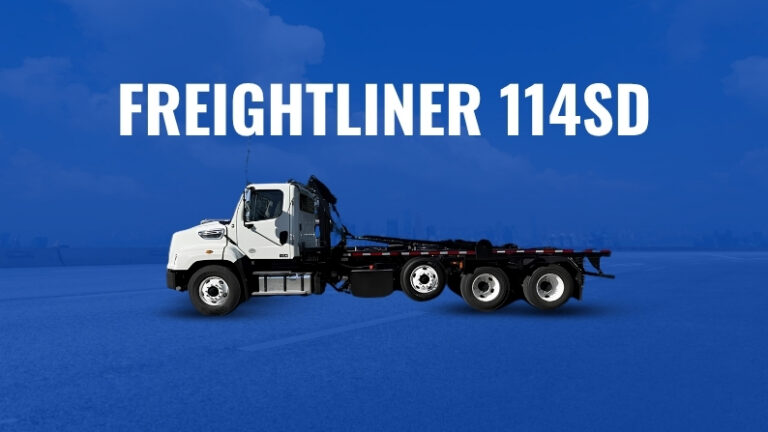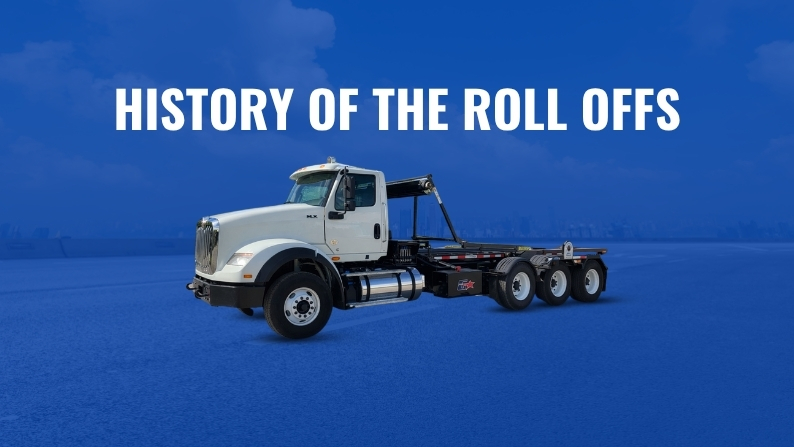
Roll-off trucks have become an essential part of waste management, construction, demolition, and recycling operations. Their ability to quickly transport large containers has made them one of the most versatile pieces of equipment in today’s environmental services industry.
The history of roll-off trucks reflects decades of innovation. From early waste collection methods to today’s hydraulic hoist systems, each advancement has helped improve efficiency, safety, and productivity for waste haulers and contractors alike.
Early Waste Collection
Long before modern garbage trucks existed, communities relied on horse-drawn carts to collect waste from homes and businesses.
As cities grew during the 18th and 19th centuries, organized municipal waste collection became increasingly necessary to improve public health and sanitation. Horse-drawn wagons eventually gave way to motorized trucks during the early 1900s, allowing municipalities and private waste companies to collect larger volumes of waste more efficiently.
These early collection vehicles laid the foundation for the specialized refuse trucks used today.
The Development of the Modern Dumpster
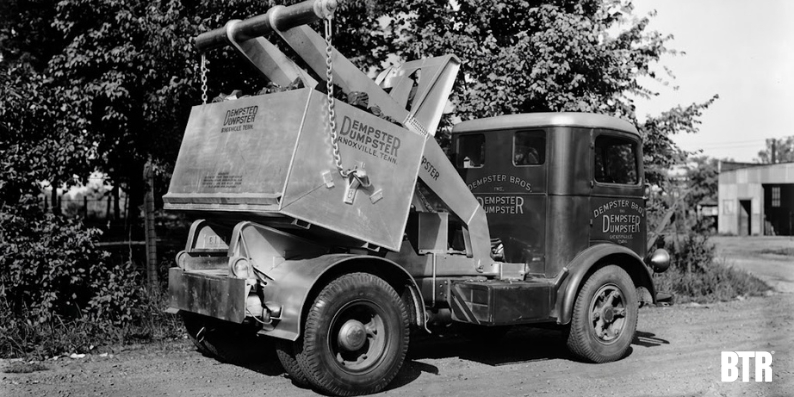
One of the biggest milestones in roll-off truck history came in the 1930s.
In 1937, George Dempster introduced the Dempster-Dumpster system, which standardized removable steel waste containers that could be mechanically lifted and emptied by specially designed trucks.
This innovation transformed commercial waste collection by:
- Improving collection efficiency
- Reducing manual labor
- Standardizing waste containers
- Increasing hauling capacity
The dumpster concept quickly became widely adopted throughout North America.
The First Roll-Off Trucks
As construction projects became larger and demolition activity increased after World War II, businesses needed containers that could remain on-site until full before being transported.
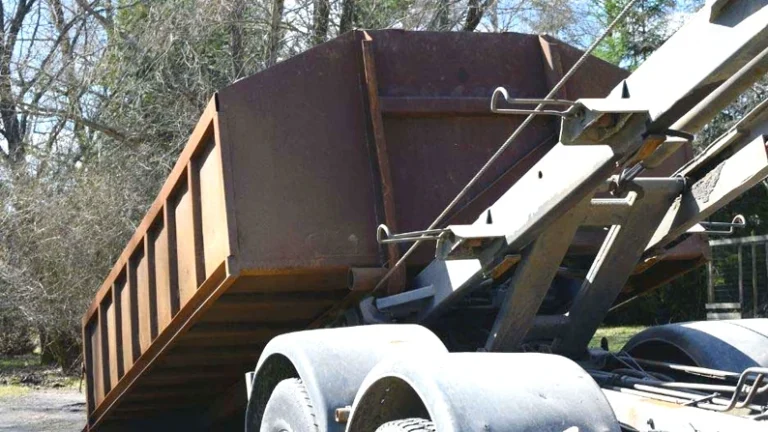
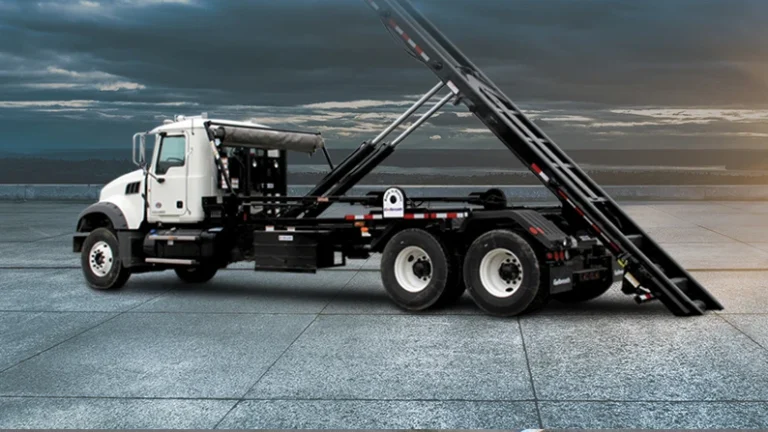
In the late 1950s, manufacturers introduced what is widely recognized as the first modern roll-off garbage truck, using a cable hoist system that allowed large containers to roll on and off the truck chassis.
This new design made it much easier to transport:
- Construction debris
- Demolition waste
- Roofing materials
- Concrete and asphalt
- Large-volume commercial waste
The ability to leave containers on-site until needed significantly improved efficiency for contractors and waste haulers.
Roll-Off Trucks Continue to Evolve
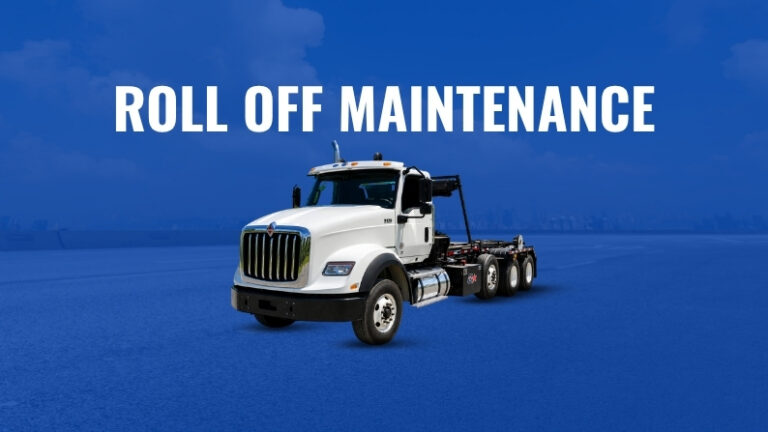
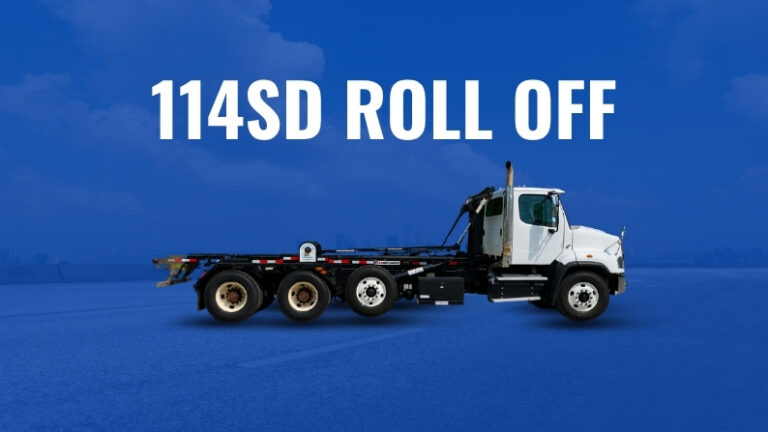
Modern roll-off trucks have advanced significantly since their early designs.
Today’s equipment commonly features:
- Hydraulic hooklift or cable hoist systems
- Stronger chassis and frames
- Improved safety systems
- Higher payload capacities
- Better operator visibility
- Enhanced hydraulic controls
Leading manufacturers continue to develop trucks that improve productivity while helping fleets reduce downtime and maintenance costs.
If you’re comparing equipment, our guide to roll-off truck manufacturers explains what distinguishes today’s leading brands.
Common Applications Today
Today, roll-off trucks serve far more industries than traditional waste collection.
They are commonly used for:
- Construction and demolition
- Commercial waste removal
- Industrial facilities
- Municipal cleanup
- Recycling operations
- Storm debris removal
- Disaster recovery projects
Their versatility allows companies to transport a wide variety of container sizes and waste streams using a single truck platform. If you’re new to this equipment, our guide explains what a roll-off truck is and how it works.
Why Many Fleets Choose to Rent Roll-Off Trucks
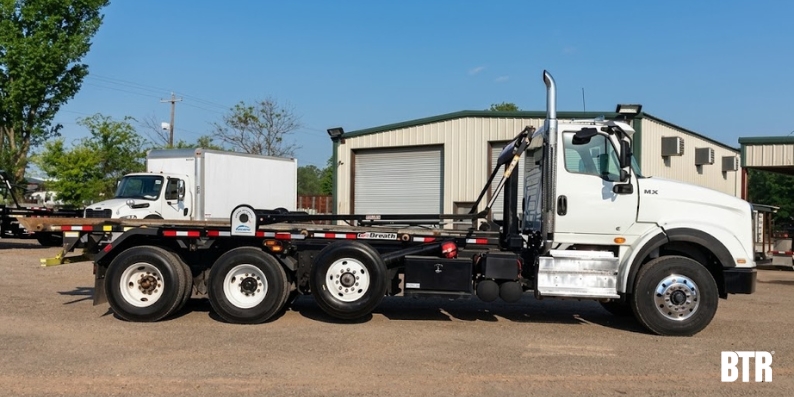
Many companies choose to rent roll-off trucks rather than purchase them outright. Rental programs offer several advantages:
- Immediate access to equipment
- Additional trucks during peak demand
- Replacement units during repairs
- Greater fleet flexibility
- Reduced upfront capital investment
For many contractors and waste haulers, renting provides an effective way to expand capacity while avoiding long equipment lead times.
Final Thoughts
The history of roll-off trucks shows how waste collection equipment has evolved to meet the growing demands of construction, demolition, recycling, and commercial waste operations. From early removable containers to today’s advanced hydraulic systems, roll-off trucks continue to play a critical role in keeping projects and communities running efficiently.
Whether you’re expanding your fleet or taking on larger jobs, choosing the right roll-off truck can improve productivity, increase flexibility, and help keep operations on schedule.
Keep Your Fleet Ready for Every Job
Whether you’re expanding your fleet, supporting a large construction project, or responding to seasonal demand, Big Truck Rental provides dependable roll-off truck rental solutions across North America.
Contact us today to learn more about our short-term, long-term, and rent-to-purchase roll-off truck solutions.
FAQs
When were roll-off trucks invented?
Modern roll-off trucks were introduced in the late 1950s as a way to transport large removable containers for construction, demolition, and commercial waste applications.
Who invented the dumpster?
George Dempster introduced the Dempster-Dumpster system in 1937, helping standardize removable waste containers for commercial collection.
What are roll-off trucks used for?
Roll-off trucks transport large containers used for construction debris, demolition waste, recycling, industrial materials, commercial waste, and disaster cleanup.
How have roll-off trucks improved over time?
Modern roll-off trucks offer stronger chassis, improved hydraulic systems, higher payload capacities, better visibility, and enhanced safety features compared to earlier models.
Why do companies rent roll-off trucks?
Many companies rent roll-off trucks to increase fleet capacity, replace trucks undergoing repairs, support seasonal demand, or avoid the high upfront cost of purchasing new equipment.