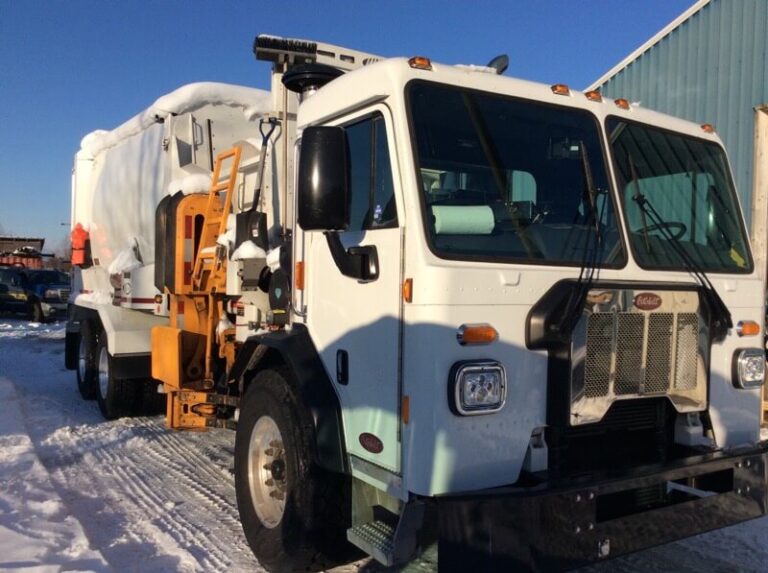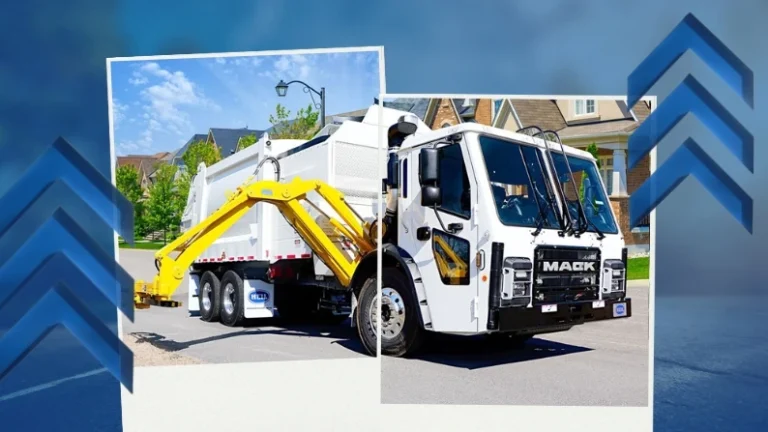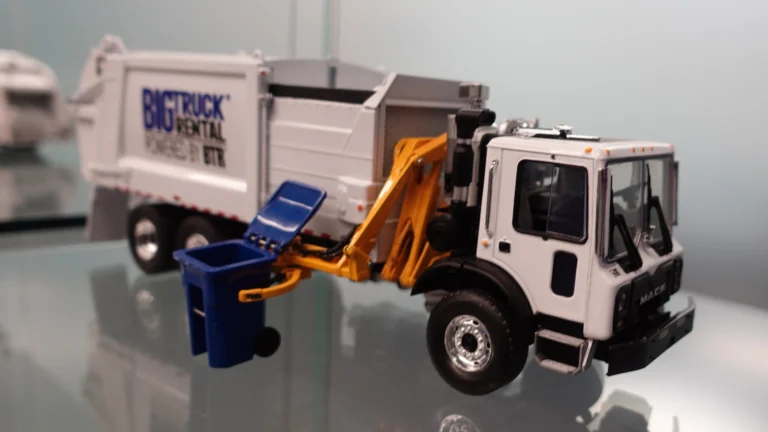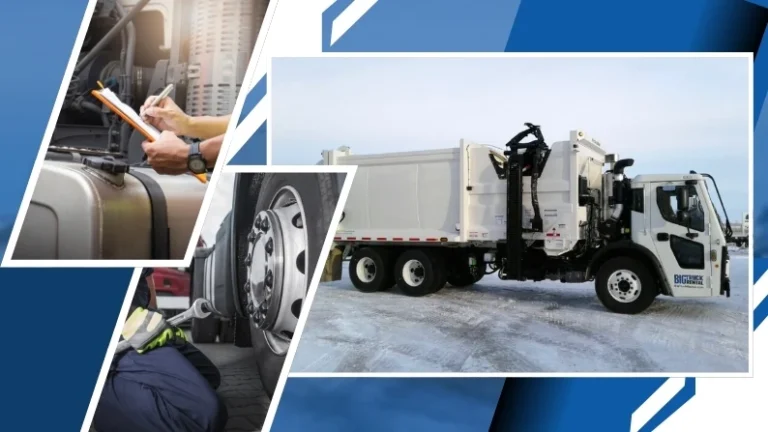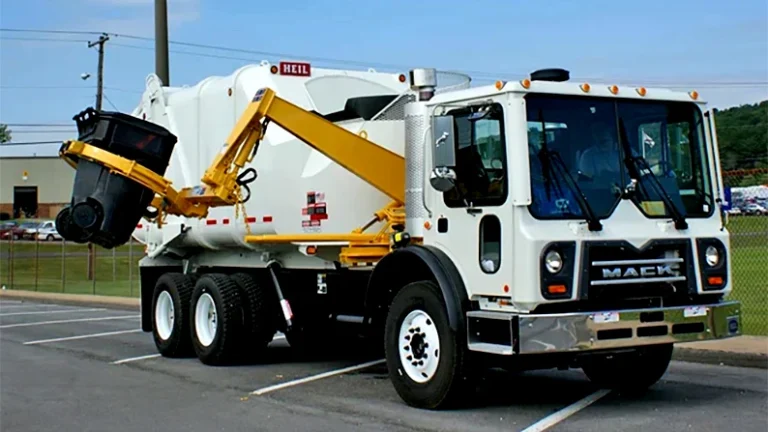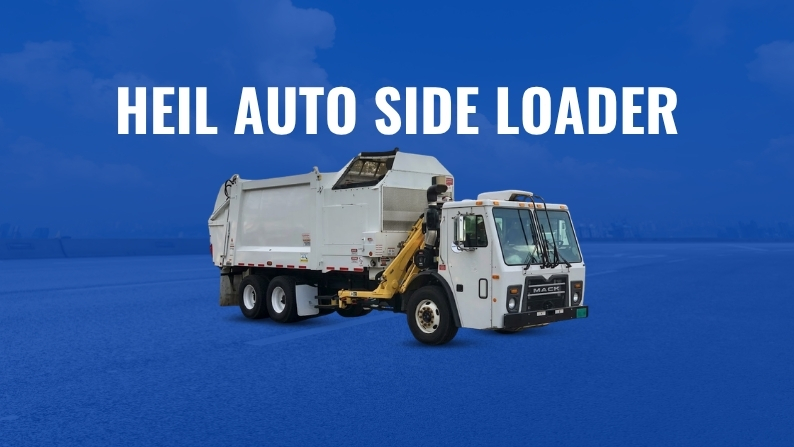
Automated side loader trucks have transformed residential waste collection by improving safety, reducing labor requirements, and increasing route efficiency. Among the industry’s leading manufacturers, Heil is known for producing dependable side loader trucks that combine innovative technology with long-term durability.
Models like the Heil Python and Command-SST are designed to help municipalities and private waste haulers complete collection routes more efficiently while reducing operating costs.
This guide explores the main advantages of Heil automated side loader trucks and why they remain a popular choice for waste collection fleets.
1. Improved Operator Safety
One of the biggest advantages of Heil automated side loader trucks is their ability to improve operator safety.
Instead of repeatedly exiting the cab to manually collect containers, operators can perform the entire collection cycle using in-cab controls. This reduces exposure to traffic, moving vehicles, uneven terrain, and other common roadside hazards.
Many Heil models also include features such as:
- Joystick-operated loading controls
- In-cab camera systems
- Improved visibility around the collection arm
- Smooth hydraulic operation
Combined, these features help operators complete routes more safely while maintaining consistent productivity.
2. Faster Collection Routes
Automation allows collection crews to complete more stops in less time.
For example, the Heil DuraPack Python features a fast automated arm that reduces the time required to service each container. Understanding how automated side loader trucks work helps explain how even small time savings at every stop can significantly improve productivity across an entire route.
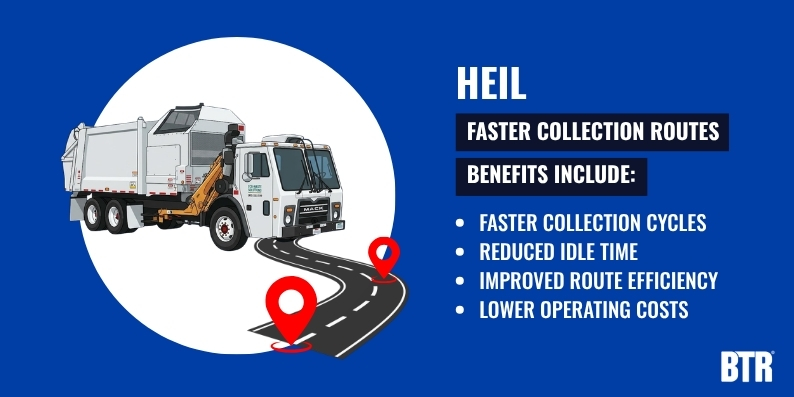
Benefits include:
- Faster collection cycles
- Reduced idle time
- Improved route efficiency
- Lower operating costs
For municipalities and private haulers, increased productivity can translate into better fleet utilization and lower overall collection costs.
3. Reliable Performance with Less Maintenance
Waste collection vehicles operate in demanding environments every day. Heil designs its automated side loaders with durability and simplified maintenance in mind.
Many models feature:
- Heavy-duty hydraulic components
- Protected cylinders
- Fewer moving parts
- Durable loading arm construction
Routine side loader garbage truck maintenance helps maximize equipment life while reducing unexpected downtime.
4. Designed for Residential Collection
Heil automated side loader trucks are engineered specifically for residential waste collection.
Their compact design allows operators to navigate:
- Narrow neighborhood streets
- Cul-de-sacs
- Tight residential developments
- Parked vehicles
- Challenging collection routes
The automated loading arm also provides precise container handling, helping improve efficiency throughout the route.
5. Innovative Features That Improve Productivity
Heil continues to develop technologies that support efficient refuse collection.
Depending on the model, features may include:
- Automated loading arms
- Hopper cleaning systems
- Operate-in-Gear-at-Idle technology
- Ergonomic operator controls
- Integrated camera systems
These technologies help reduce operator fatigue while supporting reliable day-to-day performance. Operators can also review the Heil Python operation guide to become familiar with recommended operating procedures and best practices.
When Is a Heil Automated Side Loader a Good Choice?
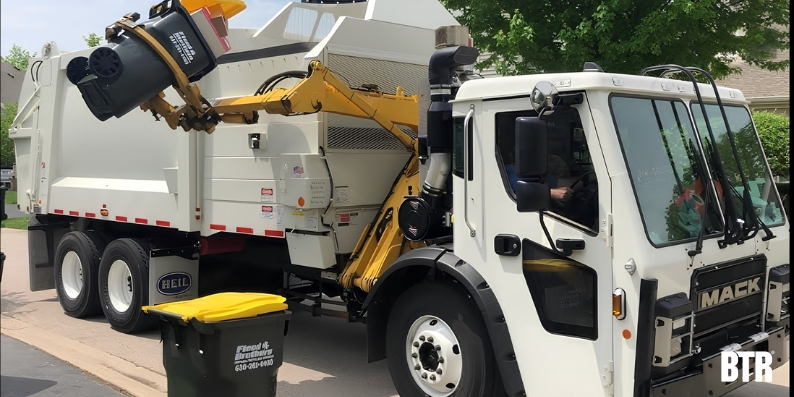
Heil automated side loader trucks are commonly used by:
- Municipal sanitation departments
- Private waste haulers
- Residential collection contractors
- Recycling collection programs
- Public works departments
Their combination of automation, durability, and operator-friendly controls makes them well suited for fleets focused on residential collection efficiency.
Rent a Heil Automated Side Loader from Big Truck Rental
Whether you need additional trucks for seasonal demand, municipal contracts, emergency response, or fleet expansion, Big Truck Rental offers dependable side loader garbage trucks for rent featuring industry-leading Heil equipment.
Our flexible truck rental programs help fleets increase capacity without the long-term commitment of ownership.
Final Thoughts
The advantages of Heil automated side loader trucks extend beyond automation alone. Their operator-focused design, dependable performance, durable construction, and efficient collection capabilities make them a valuable asset for residential waste collection fleets.
Whether you’re expanding your fleet or supporting temporary collection demands, Heil side loader trucks provide the reliability and productivity needed to keep routes running efficiently.
Find the Right Heil Side Loader for Your Fleet
Big Truck Rental provides dependable Heil automated side loader rentals to help municipalities, contractors, and private waste haulers keep collection routes on schedule. Whether you need one truck or an entire fleet, our flexible rental solutions help you add capacity quickly while minimizing downtime.
Contact us today to learn more about our Heil side loader rental options.
FAQs
What are the advantages of Heil automated side loader trucks?
Heil automated side loader trucks improve operator safety, increase collection efficiency, reduce manual labor, and offer durable construction designed for residential waste collection.
Which Heil side loader models are commonly used?
Popular models include the Heil Python and the Heil Command-SST, both of which feature automated loading systems designed to improve productivity.
Are Heil automated side loader trucks easy to operate?
Yes. Many Heil models feature intuitive joystick controls, in-cab camera systems, and ergonomic controls that simplify daily collection.
Why do municipalities use Heil automated side loader trucks?
Municipalities often choose Heil trucks because they improve route efficiency, reduce operator exposure to traffic, and provide dependable long-term performance.
Can I rent a Heil automated side loader truck?
Yes. Big Truck Rental offers flexible Heil automated side loader rental solutions for seasonal demand, municipal contracts, fleet expansion, and emergency response.