Renting a garbage truck is a practical solution for municipalities, private haulers, and waste management companies that need reliable equipment without committing to a full purchase.
Whether you’re covering a truck breakdown, handling seasonal demand, or launching a new contract, a garbage truck rental can help keep operations moving without long delays or high upfront costs.
This guide walks you through how to rent a garbage truck step by step so you can choose the right equipment, understand rental terms, and prepare your team for smooth operations.
Step 1: Determine Your Route and Operational Needs
Choosing the right garbage truck for your route starts with understanding exactly what your operation requires before you rent one.
Start by identifying your service type:
- Residential waste collection
- Commercial accounts
- Industrial or manufacturing routes
- Construction and demolition debris
Then evaluate daily operations such as:
- Collection volume per route
- Stop frequency and density
- Types of containers being serviced
- Access limitations like narrow streets or gated areas
Some operations only need short-term coverage during peak seasons, while others require long-term support for ongoing contracts or expansion. Defining this early helps ensure you select the right waste management trucks for the job.
Step 2: Choose the Right Type of Garbage Truck
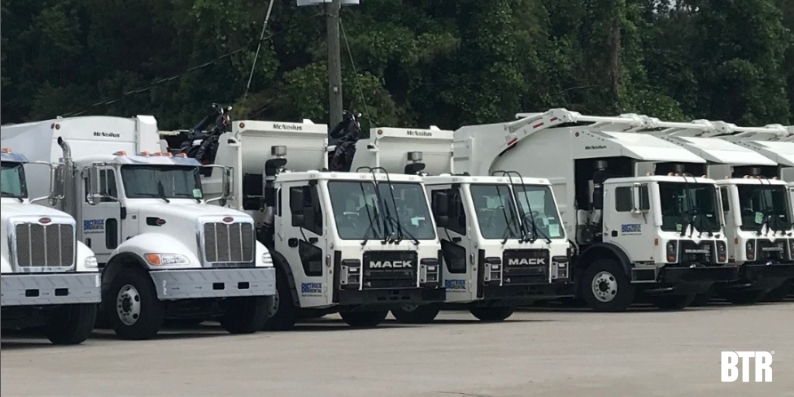
Different types of garbage trucks are designed for specific applications. Selecting the right one directly impacts efficiency, safety, and cost-effectiveness.
Front Loader Garbage Trucks
Front loaders are commonly used for commercial and industrial waste collection. They are designed to lift large dumpsters and handle high-volume accounts efficiently.
Best for:
- Shopping centers
- Industrial facilities
- Large commercial contracts
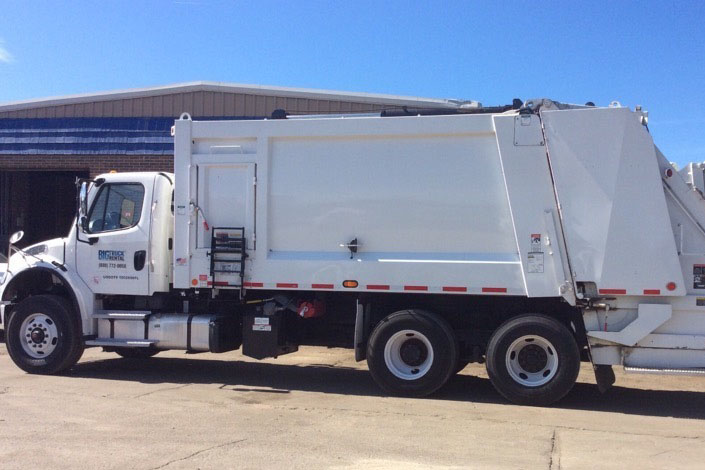
Rear Loader Garbage Trucks
A rear-load garbage truck is versatile and widely used on both residential and mixed-waste routes. They perform well in areas with tight access and a variety of stop types.
Best for:
- Residential neighborhoods
- Mixed commercial routes
- Narrow street collection
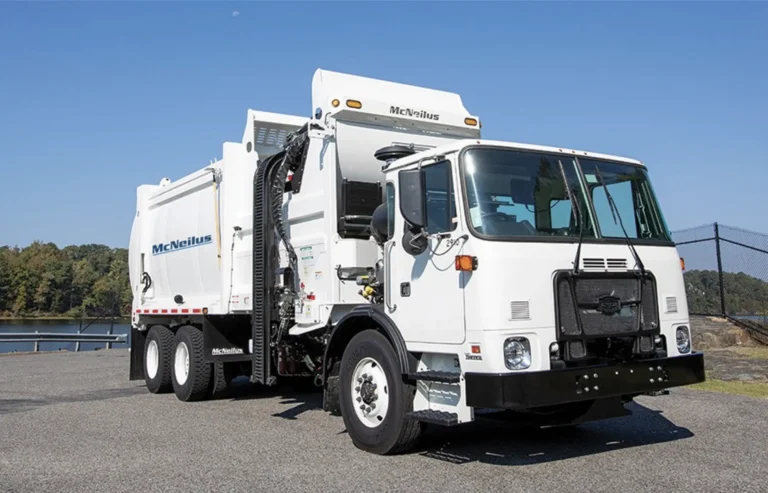
Side Loader Garbage Trucks
Side loaders are designed for automated residential collection and allow for faster pickup cycles with reduced manual handling.
Best for:
- Suburban residential routes
- High-efficiency curbside pickup
- Single-operator workflows
Roll-Off Trucks
Roll-off trucks are used to transport large containers filled with construction or demolition debris. They are essential for job sites and industrial waste operations.
Best for:
- Construction sites
- Bulk waste hauling
- Container-based service models
Grapple Trucks
Grapple trucks are built for bulky waste and irregular materials such as storm debris, branches, and vegetation.
Best for:
- Storm cleanup
- Municipal bulk pickup
- Landscaping waste removal
Step 3: Determine How Long You Need the Truck
Short-term rentals
Short-term rentals are ideal for:
- Emergency breakdowns
- Seasonal demand spikes
- Temporary contract coverage
Long-term rentals
Long-term rentals work well for:
- Ongoing routes
- Extended projects
- Fleet expansion support
Rental decisions should also be viewed as part of a broader fleet strategy. Many operators use rentals to stay flexible while preserving capital for other priorities such as expansion, infrastructure upgrades, or acquisitions.
In some cases, renting also serves as a bridge before long-term purchasing decisions are made, especially when demand is still evolving.
Many providers also offer rent-to-purchase options, allowing fleets to transition from rental to ownership when timing and financial conditions align.
Step 4: Understand the Rental Agreement
Before finalizing a rental, review the truck rental agreement carefully to avoid unexpected issues during operations.
Key areas to review include:
- Rental duration and extension terms
- Maintenance responsibilities
- Equipment availability and substitution policies
- Delivery and pickup timelines
- Support process for breakdowns or repairs
Clear expectations help ensure your garbage truck rental operates smoothly throughout the entire rental period.
Step 5: Make Sure Drivers and Operations Are Ready

Once the truck is secured, preparation becomes the next priority.
Make sure your team is ready by:
- Confirming driver licensing and qualifications
- Training operators on controls and safety systems
- Planning routes based on truck capacity
- Matching truck type to service requirements
Proper preparation helps reduce downtime and ensures the vehicle is fully utilized from day one.
Questions to Ask Before Renting a Garbage Truck
Before finalizing your rental, ask these important questions:
- Is this the right truck type for my routes?
- How quickly can the truck be delivered?
- What happens if the truck requires maintenance?
- Are flexible rental terms available?
- Can this rental support future fleet expansion?
These questions help ensure you choose the right garbage truck rental solution for your operational needs.
Common Situations Where Renting Makes Sense
Renting a garbage truck is often the best solution when flexibility and speed matter most.
Common use cases include:
- Starting new contracts without waiting on OEM delivery timelines
- Covering truck-down situations to maintain service continuity
- Managing seasonal spikes in waste volume
- Replacing aging or unreliable equipment
- Supporting capital-efficient fleet strategies
In many cases, renting allows operators to maintain service quality while avoiding unnecessary long-term capital commitments.
How Big Truck Rental Simplifies the Rental Process
Big Truck Rental supports waste haulers and municipalities with flexible garbage truck rental solutions designed for real-world operational needs.
Operators benefit from:
- Access to multiple garbage truck types
- Short-term and long-term rental options
- Fast response for truck-down situations
- Support for route expansion and seasonal demand
- Reliable equipment that helps maintain service continuity
Whether you are scaling your fleet or managing unexpected downtime, the goal is to keep your operations running without disruption.
Final Thoughts
Learning how to rent a garbage truck starts with understanding your operational needs, selecting the right truck type, and choosing rental terms that align with your business goals. With the right planning, a refuse truck rental can improve flexibility, reduce the risk of downtime, and support both short- and long-term fleet performance.
Find the Right Garbage Truck Rental for Your Fleet
Big Truck Rental provides dependable garbage trucks for municipalities and waste haulers who need flexible, reliable fleet solutions to meet changing operational demands.
Contact us today to explore garbage truck rental options and keep your routes running efficiently, reduce downtime, and support your next phase of growth.
FAQs
How do I rent a garbage truck?
You typically start by identifying your route needs, selecting the right truck type, choosing a rental duration, and confirming the rental agreement with a provider.
What types of garbage trucks can I rent?
Common options include front loaders, rear loaders, side loaders, roll-off trucks, and grapple trucks, depending on your waste collection needs.
How long can you rent a garbage truck?
Rental terms can range from short-term emergency coverage to long-term agreements, depending on your operational requirements.
Do I need a CDL to operate a rented garbage truck?
In most cases, yes. Many garbage trucks require a Commercial Driver’s License, depending on weight and configuration.
Why do companies rent garbage trucks instead of buying?
Renting helps reduce upfront costs, improves flexibility, and allows fleets to scale operations without long-term capital commitments.