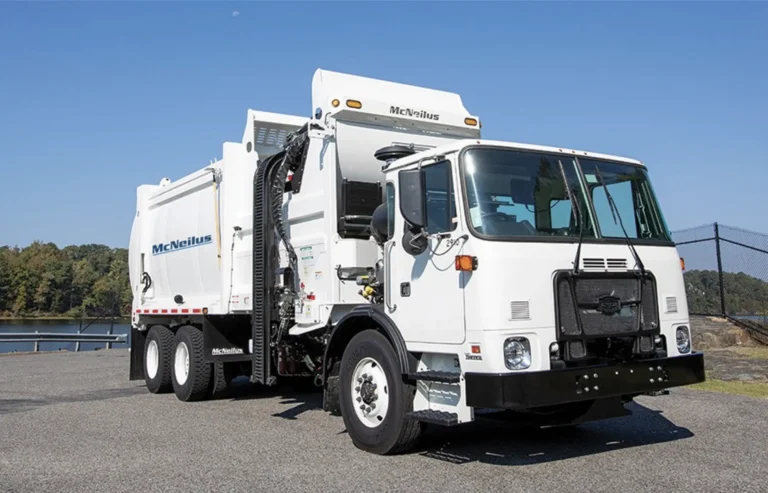
Front-loader garbage trucks are among the most productive vehicles used in commercial waste collection. Designed to service large dumpsters and high-volume accounts quickly, these trucks help waste haulers efficiently manage routes at shopping centers, office buildings, apartment complexes, and industrial facilities.
However, operating a front-loader garbage truck involves much more than driving from one stop to another. Operators must understand how the truck’s hydraulic systems work, follow proper lifting procedures, and prioritize safety throughout every route.
Whether you’re a new operator or looking to refresh your knowledge, understanding how to operate a front-loader garbage truck safely can improve efficiency, reduce equipment damage, and support reliable commercial waste collection operations.
Understand How a Front Loader Garbage Truck Works
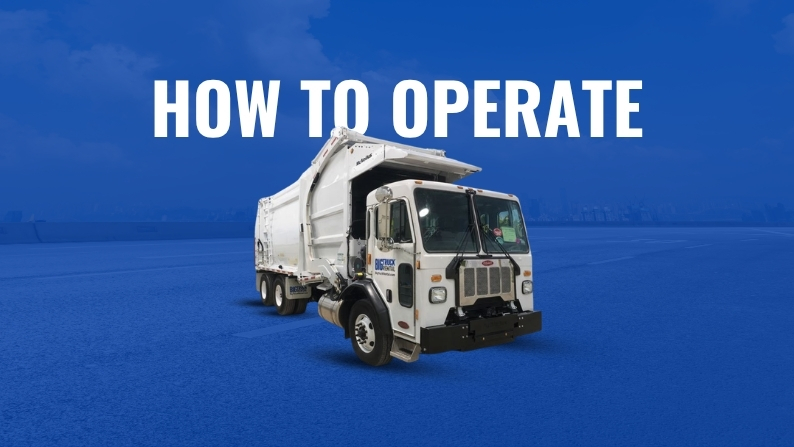
Understanding how a front loader truck works starts with its hydraulic fork system, which is mounted at the front of the vehicle and used to lift and empty commercial dumpsters into the truck’s hopper. Unlike residential collection vehicles that rely on manual loading or automated side arms, front loaders are designed to handle larger containers and heavier waste volumes.
These trucks commonly service:
- Shopping centers
- Apartment complexes
- Restaurants
- Office parks
- Manufacturing facilities
- Industrial properties
Because front loaders can carry large amounts of waste and service multiple containers before unloading, one of the main advantages of front loader garbage trucks is increased productivity on commercial collection routes.
Step 1: Perform a Pre-Trip Inspection
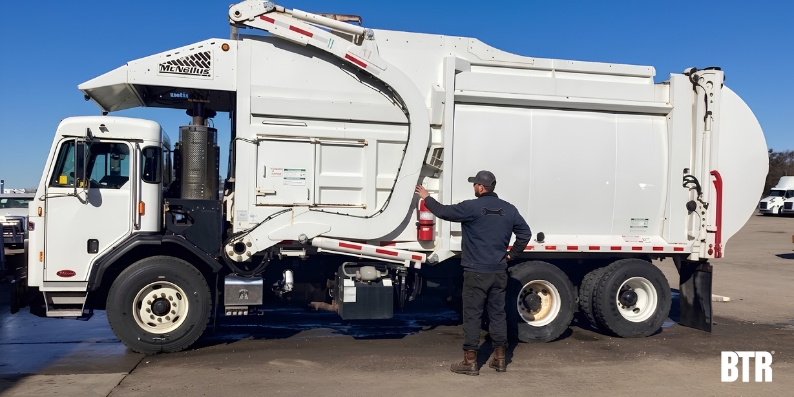
Before starting any route, operators should complete a thorough pre-trip inspection. A proper inspection helps identify potential issues before they become costly breakdowns or safety concerns. Areas to inspect include:
Tires and Wheels
Check for:
- Proper tire inflation
- Visible damage or excessive wear
- Loose or damaged lug nuts
Lights and Mirrors
Verify that all:
- Headlights
- Brake lights
- Turn signals
- Warning lights
- Mirrors
- Cameras
Are clean and functioning properly.
Hydraulic System
Because the hydraulic system powers the lifting arms, inspect:
- Hydraulic hoses
- Hydraulic cylinders
- Visible leaks
- Fork components
- Arm assemblies
Fluid Levels
Check:
- Engine oil
- Coolant
- Hydraulic fluid
- Transmission fluid
- Diesel exhaust fluid (if applicable)
Truck Body and Hopper
Inspect the hopper and body to ensure:
- No debris obstructs moving components
- The body is secure
- Safety equipment is in place
Any issues discovered during the inspection should be reported before beginning the route.
Step 2: Position the Truck Properly
Proper positioning is one of the most important parts of front loader operation. When approaching a container:
- Slow down and approach carefully.
- Keep the container centered in front of the truck.
- Align the forks with the dumpster sleeves.
- Maintain awareness of nearby vehicles and pedestrians.
- Watch for overhead obstacles.
Whenever possible, position the truck on stable, level ground before beginning the lift. Uneven surfaces can affect stability and increase the risks of accidents.
Step 3: Secure and Lift the Container
Once the truck is properly positioned, the operator can begin the lifting process.
Insert the Forks
Carefully insert both forks fully into the dumpster pockets. Incomplete engagement can lead to unstable lifting conditions.
Confirm Proper Alignment
Before lifting:
- Verify both forks are properly seated.
- Ensure the dumpster appears level.
- Confirm there are no obstructions.
Raise the Container
Using the hydraulic controls:
- Lift slowly and smoothly.
- Avoid sudden movements.
- Monitor the dumpster’s stability during the lift.
Once elevated, the truck tips the container over the hopper to empty the contents. Maintaining smooth hydraulic movements helps reduce wear on both the truck and the container.
Step 4: Return the Container Safely
After dumping is complete, lower the container carefully back to the ground. During this process:
- Lower the dumpster slowly.
- Return it to its original location whenever possible.
- Ensure it is stable and upright.
- Verify no debris or obstacles are nearby.
Proper container placement is important for customer satisfaction and site safety. Before leaving the stop, perform a quick visual check to ensure the area is clear and the container is properly positioned.
Step 5: Monitor the Truck Throughout the Route
Operating a front-loader garbage truck requires continuous attention throughout the day. Operators should monitor:
Warning Lights
Pay attention to any indicators involving:
- Engine performance
- Hydraulic systems
- Electrical components
- Brake systems
Hydraulic Performance
Watch for signs such as:
- Slow lifting speeds
- Unusual noises
- Jerky arm movement
- Hydraulic leaks
Visibility
Keep:
- Mirrors
- Windshields
- Cameras
- Sensors
Clean throughout the route.
Vehicle Capacity
Avoid exceeding the truck’s weight limits. Understanding your front loader truck specs, including payload capacity, body size, and axle ratings, can help operators load the vehicle safely and maintain proper performance. Overloading can:
- Reduce vehicle performance
- Increase component wear
- Create safety concerns
- Lead to costly repairs
Following company operating procedures throughout the day helps improve reliability and reduce downtime.
Safety Tips for Front Loader Operators
Because front loaders operate in busy commercial environments, safety should remain a constant priority. Following garbage truck safety best practices can help operators reduce accidents, protect equipment, and maintain safer collection routes.
Then continue with your existing subheadings:
- Watch for Overhead Obstacles
- Be Aware of Pedestrians and Traffic
- Avoid Sudden Movements
- Stay Focused
- Follow Safety Procedures
This placement makes sense contextually and doesn’t feel like an SEO keyword insertion.
Common Mistakes to Avoid
Even experienced operators can make mistakes that affect safety and productivity. Common issues include:
- Approaching Containers Too Quickly: Rushing increases the risk of improper alignment and property damage.
- Improper Fork Alignment: Incorrect positioning can make the lift unstable and increase equipment wear.
- Lifting on Uneven Ground: Whenever possible, perform lifts on stable surfaces.
- Ignoring Warning Signs: Small hydraulic issues can quickly require major repairs if left unchecked.
- Overloading the Truck: Exceeding weight limits places unnecessary strain on the truck and increases operating risks.
Avoiding these mistakes helps improve both safety and long-term equipment performance.
Why Training and Experience Matter
Front-load dumpster trucks are powerful pieces of equipment that require specialized training and experience.
Proper training helps operators:
- Improve route efficiency
- Reduce accidents
- Protect equipment
- Improve customer service
- Maintain regulatory compliance
Experienced operators often complete routes more safely and consistently because they understand how to handle different containers, challenging locations, and unexpected situations. Ongoing training also helps fleets adapt to changing technologies and safety standards.
How Big Truck Rental Supports Commercial Waste Operations
Big Truck Rental provides dependable front-loader garbage truck rentals designed to support demanding commercial waste collection routes.
Our rental solutions help operators:
- Maintain service reliability
- Add capacity during growth periods
- Replace out-of-service trucks quickly
- Manage seasonal demand
- Access late-model equipment
Whether you’re supporting a new contract or covering an unexpected truck-down situation, reliable equipment helps keep commercial routes operating efficiently.
Final Thoughts
Learning how to operate a front-loader garbage truck safely begins with understanding the equipment, performing thorough inspections, and following proper lifting procedures. By practicing safe operating techniques and monitoring vehicle performance throughout the route, operators can improve efficiency while reducing the risk of accidents and equipment damage.
With proper training and reliable equipment, front loaders remain among the most productive tools in commercial waste collection.
Find Reliable Front Loader Trucks for Your Operation
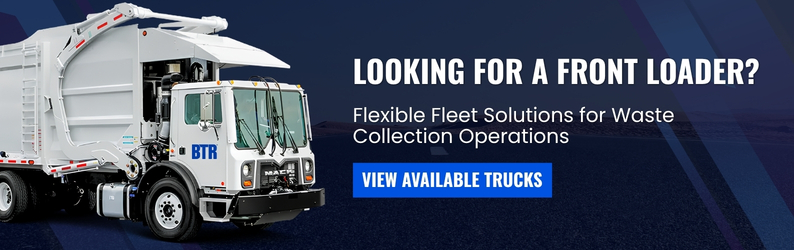
Big Truck Rental provides front-loader garbage trucks designed for high-volume commercial waste collection and dependable day-to-day performance.
Contact us today to explore front-loader garbage truck rental options and keep your commercial routes running efficiently.
FAQs
What is a front loader garbage truck used for?
Front loader garbage trucks are primarily used for commercial and industrial waste collection, servicing large dumpsters at businesses, apartment complexes, and manufacturing facilities.
How does a front-loader garbage truck work?
The truck uses hydraulic forks to lift commercial dumpsters over the cab and empty their contents into the hopper.
What should operators inspect before driving a front loader?
Operators should inspect tires, lights, mirrors, hydraulic systems, fluid levels, and the truck body before beginning their route.
What are the biggest safety concerns when operating a front loader?
Common safety concerns include overhead obstacles, pedestrian traffic, improper container alignment, and lifting heavy containers on uneven ground.
Do you need special training to operate a front-loader garbage truck?
Yes. Operators typically need commercial driver qualifications and specialized training in hydraulic systems, safety procedures, and proper container-handling techniques.