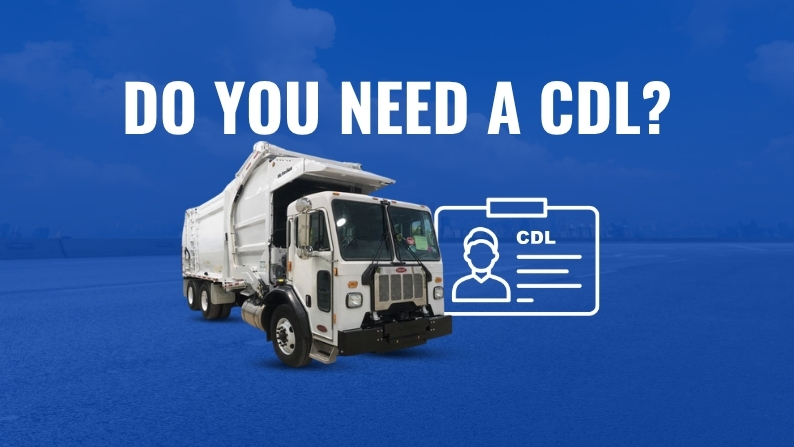
If you’re considering a career in waste management or planning to add drivers to your fleet, you may be wondering: Do you need a CDL to drive a garbage truck? In many cases, the answer is yes. However, the licensing requirements for garbage truck drivers can vary depending on the vehicle type, its weight, and where it operates.
Waste collection vehicles come in many forms, from residential side loaders and rear loaders to large roll-off trucks and specialized commercial equipment. Some require a Commercial Driver’s License (CDL), while others may be subject to different regulations.
Understanding when a CDL is required can help drivers pursue the right training and help employers stay compliant with federal and state regulations. Here’s what you need to know before getting behind the wheel of a garbage truck.
What Is a CDL?
A Commercial Driver’s License, or CDL, is a specialized driver’s license required to operate certain types of commercial motor vehicles. The Federal Motor Carrier Safety Administration (FMCSA) establishes national standards for commercial driver licensing, while individual states administer licensing and testing requirements.
CDL requirements exist because commercial vehicles are often significantly larger and heavier than passenger vehicles. Operating these vehicles safely requires specialized knowledge, skills, and training.
Commercial drivers typically receive instruction on:
- Vehicle inspections
- Safe driving practices
- Air brake systems
- Cargo and load management
- Vehicle maneuvering
- Federal and state safety regulations
For garbage truck drivers, these skills are particularly important because waste collection vehicles frequently operate in residential neighborhoods, tight commercial spaces, and busy urban environments.
In Many Cases, Yes, a Garbage Truck Requires a CDL
Most garbage trucks exceed the weight thresholds that trigger CDL requirements. This means many drivers operating commercial waste collection vehicles will need a CDL to legally operate them.
Vehicles that commonly require a CDL include:
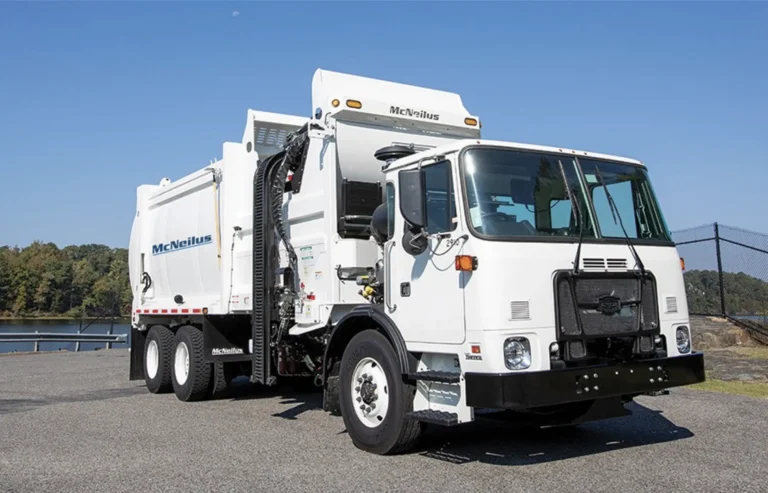
- Front loader garbage trucks
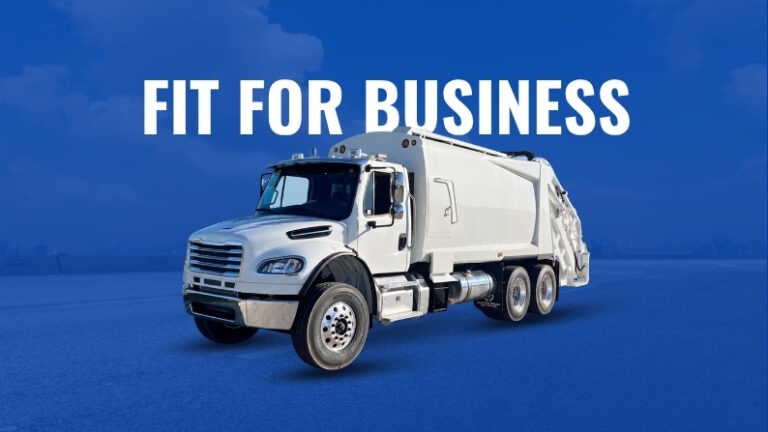
- Rear loader garbage trucks
- Automated side loaders
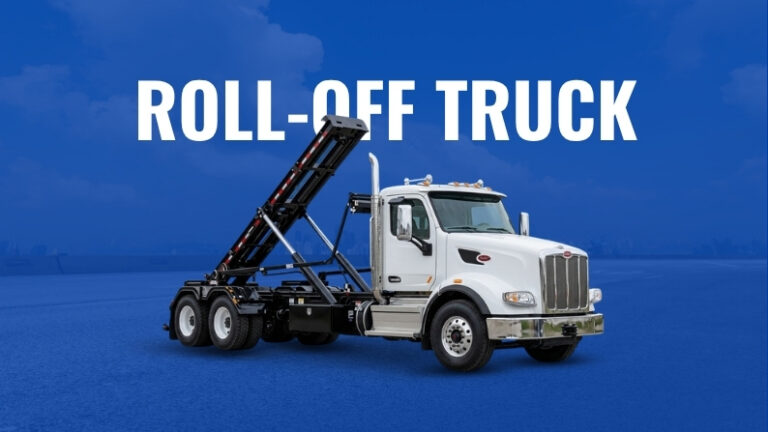
- Roll-off trucks
- Grapple trucks
- Transfer vehicles and trailers
Because garbage trucks are designed to carry heavy loads and often feature specialized equipment, they typically fall into the category of commercial motor vehicles that require additional licensing.
However, not every garbage truck automatically requires a CDL. The answer often depends on several important factors.
Factors That Determine Whether a CDL Is Required
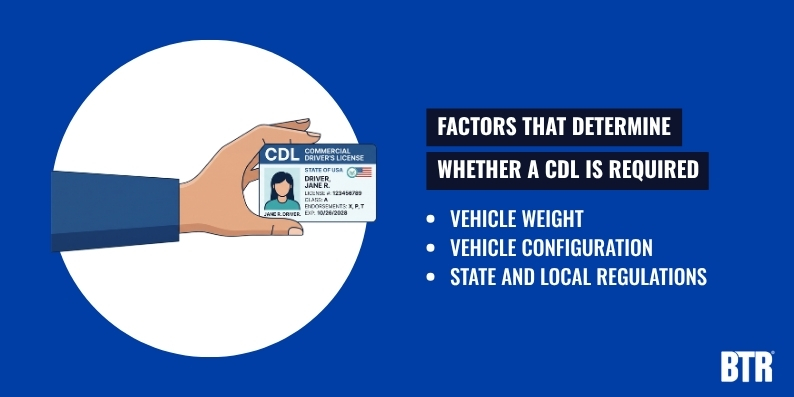
Vehicle Weight
One of the biggest factors in determining whether a CDL is necessary is the vehicle’s Gross Vehicle Weight Rating (GVWR). Under federal regulations, a vehicle with a GVWR of 26,001 pounds or more generally requires a CDL.
Many commercial garbage trucks easily exceed this threshold due to:
- The weight of the truck chassis
- The collection body
- Hydraulic systems
- Compacted waste loads
- Specialized equipment
Because of this, most full-size refuse trucks require drivers to obtain commercial licensing.
Vehicle Configuration
The vehicle’s configuration also plays a role. Some waste-hauling operations involve truck-and-trailer combinations that may require a different CDL class.
For example:
- Single-unit refuse trucks often require a Class B CDL.
- Certain transfer trailer operations may require a Class A CDL.
- Specialized equipment configurations can have additional licensing considerations.
Understanding the specific vehicle being operated is essential before determining licensing requirements.
State and Local Regulations
Although federal regulations establish general CDL requirements, states may have additional rules that apply to commercial waste vehicles.
Some states may require:
- Additional endorsements
- Specific medical certifications
- Training requirements
- Intrastate commercial driving regulations
Because requirements vary, drivers and employers should always verify licensing requirements with their state’s motor vehicle agency before operating a garbage truck.
Which CDL Class May Apply to Garbage Trucks?
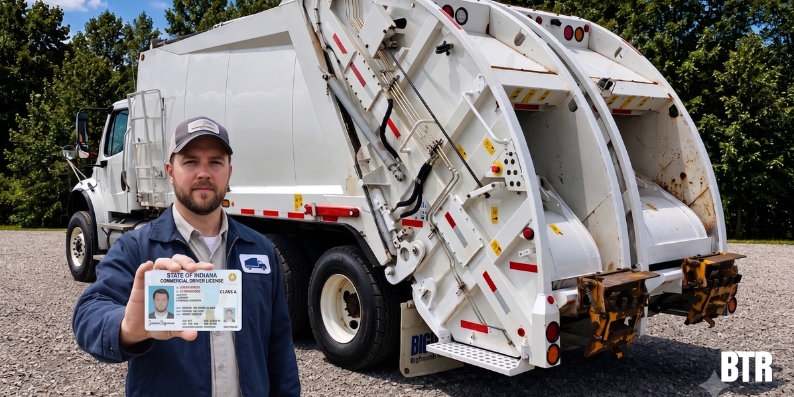
Class B CDL
A Class B CDL is the license most commonly associated with garbage truck operations. This license generally applies to single vehicles with a GVWR of 26,001 pounds or more that are not towing heavy trailers.
A Class B CDL is commonly used for:
- Rear loader garbage trucks
- Front loader garbage trucks
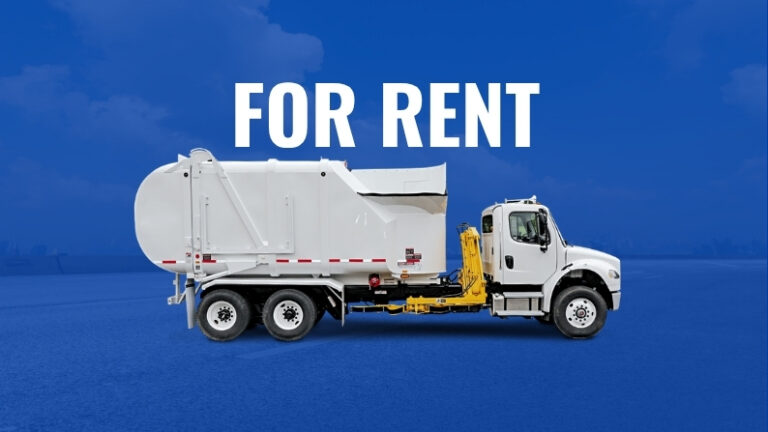
- Side loader garbage trucks
- Some grapple trucks
- Certain municipal waste collection vehicles
For many residential and commercial waste collection positions, a Class B CDL is the primary licensing requirement.
Class A CDL
A Class A CDL is generally required for certain truck-and-trailer combinations when the combined weight exceeds federal thresholds.
This may apply to:
- Transfer trailer operations
- Specialized hauling configurations
- Certain large waste transportation applications
A Class A CDL provides additional flexibility for drivers who may operate multiple types of commercial vehicles within the waste industry.
Additional Requirements Beyond a CDL
Holding a CDL is only one part of becoming a qualified garbage truck driver. Many employers also require:
Medical Certification
Commercial drivers are often required to pass a Department of Transportation physical examination and maintain a valid medical certificate.
Employer Training Programs
Waste collection companies frequently provide additional training that focuses on:
- Route operations
- Equipment usage
- Safety procedures
- Defensive driving
- Collection protocols
Clean Driving Records
Many employers review:
- Driving history
- Accident records
- Motor vehicle reports
- Previous commercial driving experience
Ongoing Compliance
Commercial drivers must continue meeting federal and state regulations throughout their careers, including maintaining valid licenses and completing required certifications.
Why Proper Training Matters
Garbage truck driving involves much more than simply operating a large vehicle.
Drivers regularly:
- Stop and start hundreds of times each day
- Navigate narrow residential streets
- Operate around pedestrians and parked vehicles
- Maneuver in busy commercial environments
- Work near construction zones and job sites
Proper training helps drivers:
- Improve safety
- Reduce accidents
- Protect equipment
- Increase route efficiency
- Maintain regulatory compliance
For employers, investing in well-trained drivers helps improve operational performance while reducing risks associated with vehicle incidents and downtime.
Career Opportunities for CDL Drivers in Waste Management
The waste management industry continues to create opportunities for qualified commercial drivers. Drivers with commercial licenses may find opportunities in:
Residential Waste Collection
Operating side loaders, rear loaders, and automated collection vehicles.
Commercial Waste Services
Servicing businesses, restaurants, and industrial facilities with front loaders and container systems.
Construction and Industrial Waste Hauling
Operating roll-off trucks, transfer trailers, and specialized hauling equipment.
Specialized Collection Services
Handling bulk waste, storm debris, and large-scale cleanup operations.
As waste collection needs continue to grow, experienced CDL drivers remain an essential part of keeping communities and businesses operating efficiently.
How Big Truck Rental Supports Waste Fleet Operations
At Big Truck Rental, we provide dependable garbage truck types that help municipalities and private haulers maintain efficient collection operations.
Our fleet solutions help operators:
- Maintain service reliability
- Add capacity during peak demand
- Replace out-of-service equipment
- Access late-model trucks
- Adapt quickly to changing operational needs
Reliable equipment enables waste companies to deploy qualified drivers on dependable trucks and keep routes running smoothly.
Whether you’re managing residential collection routes, commercial operations, or specialized hauling services, having access to the right equipment can help support long-term fleet performance.
Final Thoughts
So, do you need a CDL to drive a garbage truck? In many cases, yes. Most commercial garbage trucks exceed federal weight thresholds and require drivers to hold a Commercial Driver’s License. The specific license class often depends on the vehicle’s weight, configuration, and use. Because licensing requirements can vary by state and operation type, both drivers and employers should always verify federal, state, and local regulations before operating any commercial waste vehicle.
Proper licensing and training help improve safety, support compliance, and keep waste collection operations running efficiently.
Keep Your Waste Fleet Ready for the Road
Big Truck Rental provides reliable garbage truck rentals that help waste haulers and municipalities maintain efficient operations with dependable equipment and flexible fleet solutions.
Contact us today to learn more about our garbage truck rental solutions and keep your collection routes running efficiently.
FAQs
Do you need a CDL to drive a garbage truck?
In many cases, yes. Most garbage trucks exceed the federal weight threshold of 26,001 pounds, which generally requires a Commercial Driver’s License.
What type of CDL do garbage truck drivers need?
Most garbage truck drivers need a Class B CDL because many refuse trucks are single-unit vehicles. Some specialized operations may require a Class A CDL.
Can you drive a small garbage truck without a CDL?
Possibly. Some smaller vehicles may fall below federal weight thresholds, but drivers should always verify state and local licensing requirements.
Do garbage truck drivers need additional training?
Yes. Many employers provide additional training on safety procedures, equipment operation, route management, and company policies.
Is there a demand for CDL garbage truck drivers?
Yes. Waste management companies, municipalities, and private haulers continue to seek qualified commercial drivers to support growing collection and hauling operations.