Terminal tractors are the backbone of many distribution centers, ports, warehouses, and manufacturing facilities. Also known as spotter trucks, yard trucks, or shunt trucks, these specialized vehicles are designed to move trailers quickly and efficiently within a facility.
Unlike over-the-road tractors, terminal tractors are built specifically for repetitive trailer movements, tight turning environments, and frequent operator entry and exit. Their design improves productivity, increases safety, and helps facilities keep freight moving efficiently.
As supply chains continue to grow and distribution networks become more complex, having reliable terminal tractors has become increasingly important. Choosing the right manufacturer can have a significant impact on fleet performance, maintenance costs, and long-term reliability.
This guide explores leading terminal tractor manufacturers and the factors businesses should consider when selecting equipment for their operations.
What Makes Terminal Tractors Different?
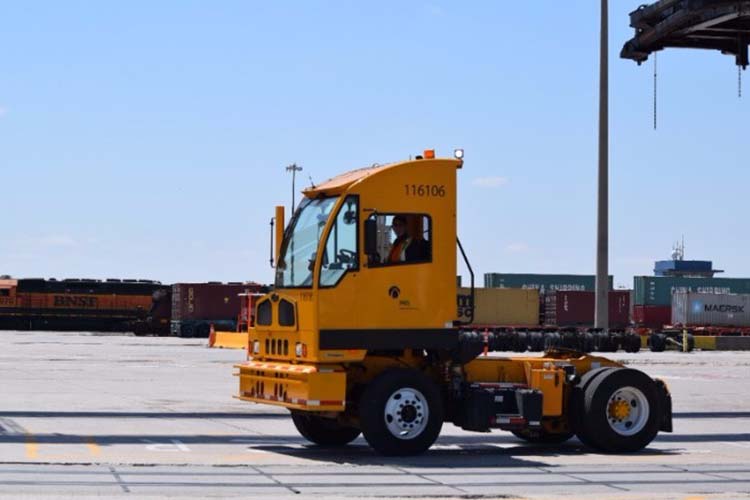
Terminal tractors are purpose-built vehicles designed for short-distance trailer movements. They are commonly used in warehouses and distribution centers, intermodal facilities, ports and marine terminals, manufacturing plants, retail distribution operations, and logistics hubs.
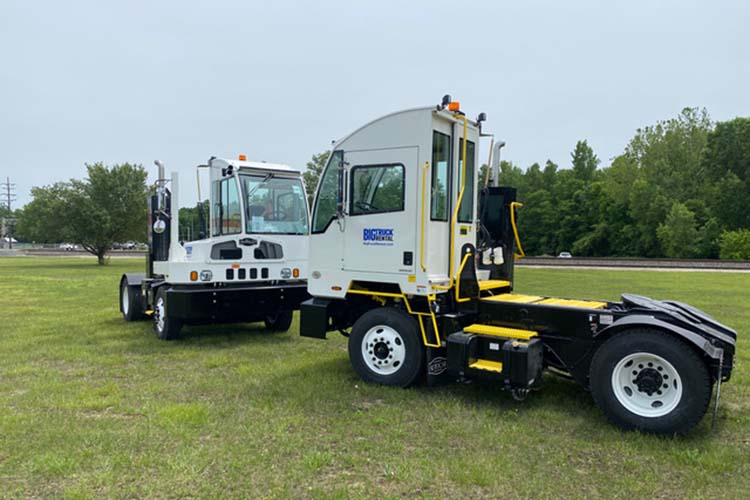
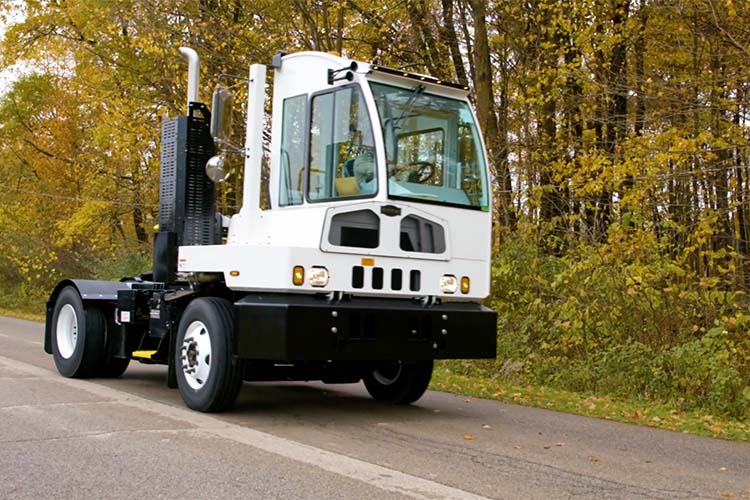
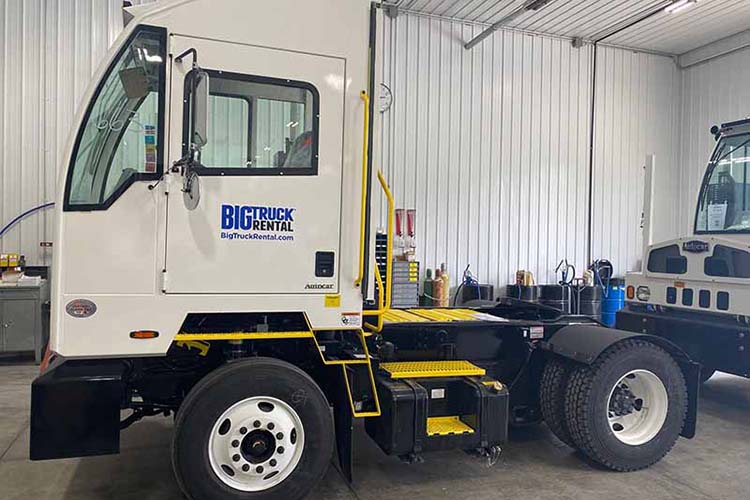
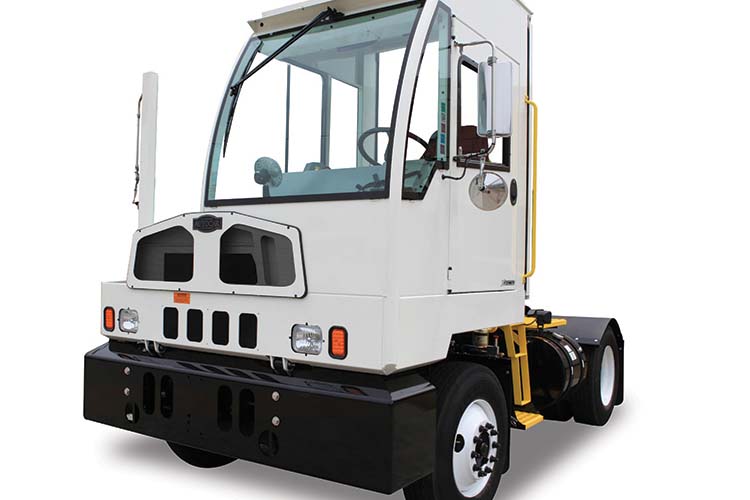
Unlike traditional road tractors, terminal tractors are specifically engineered for yard operations. They feature short wheelbases for better maneuverability, low-entry cabs for frequent driver access, and enhanced visibility to improve safety and efficiency.
They also include specialized fifth-wheel systems that make connecting and disconnecting trailers faster and easier. These features help streamline trailer spotting operations, making terminal tractors an essential part of modern logistics and supply chain management.
Leading Terminal Tractor Manufacturer
Autocar
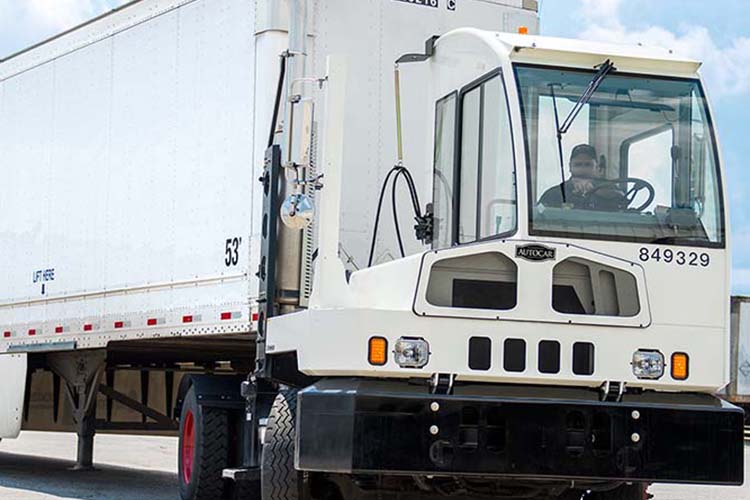
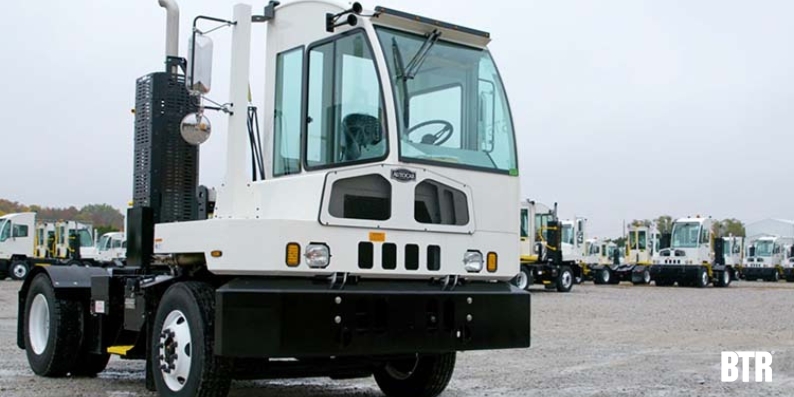
Autocar terminal tractors are one of the most recognized names in terminal tractors and is the brand that Big Truck Rental offers. Its ACTT lineup is widely used in ports, warehouses, and industrial facilities for its durability and operator-focused design.
Popular features include:
- Ergonomic low-entry cab design
- Excellent driver visibility
- Heavy-duty components
- Multiple drivetrain configurations
- Customization options for various applications
The ACTT lineup includes both on-road and off-road models designed to support demanding operations.
What to Consider When Comparing Terminal Tractor Manufacturers
Choosing the right terminal tractor involves more than simply comparing brand names. Important considerations include:
Operational Requirements
One of the first steps when comparing manufacturers is understanding the uses of terminal tractors within your operation. These specialized vehicles are commonly used for:
- Trailer spotting
- Port operations
- Manufacturing facilities
- Off-road applications
- Distribution center operations
Different environments may require specific drivetrain configurations, axle setups, or equipment packages.
Reliability and Durability
Among the most important advantages of terminal tractors are their ability to operate continuously, handle frequent trailer movements, and maintain productivity in demanding yard environments. Terminal tractors often run throughout the day, making equipment reliability a critical factor in fleet performance and operating costs.
Look for manufacturers that have:
- Proven track records
- Heavy-duty components
- Strong service support
- Established parts availability
Operator Comfort and Safety
Because operators frequently enter and exit terminal tractors, cab design plays an important role in productivity.
Features to consider include:
- Low-entry cabs
- Spacious interiors
- Ergonomic controls
- Excellent visibility
- Comfortable seating
- Easy maintenance access
Technology and Fleet Management
Modern terminal tractors increasingly include advanced technology designed to increase logistics yard efficiency and improve overall operational visibility. These technologies may include:
- Backup cameras
- Collision mitigation systems
- Electronic stability controls
- Telematics and fleet tracking
- Driver monitoring systems
These technologies can improve safety and provide valuable operational insights.
Alternative Fuel and Electric Options
Many manufacturers now offer electric terminal tractors as businesses work toward sustainability goals and emissions reduction initiatives.
Electric models may provide benefits such as:
- Lower operating costs
- Reduced emissions
- Quieter operation
- Lower maintenance requirements
However, infrastructure requirements and operational demands should be carefully evaluated before making the transition.
Why Big Truck Rental Chooses Autocar
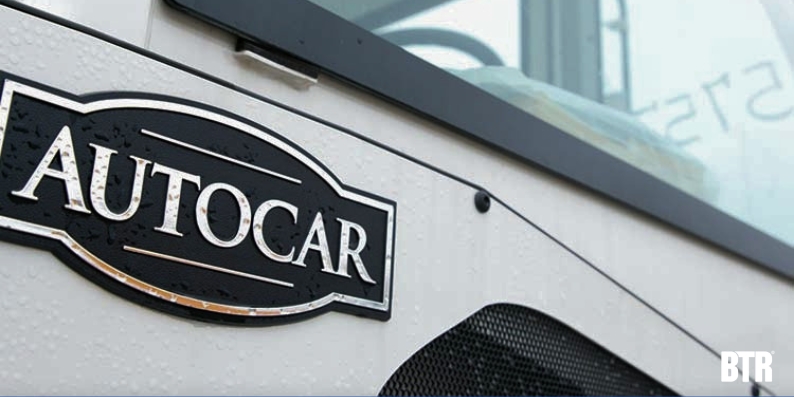
At Big Truck Rental, we carefully evaluate the equipment we offer to ensure our customers have access to dependable, high-performing terminal tractors. We partner with Autocar for several important reasons.
Driver-Centric Design
Autocar terminal tractors are designed with the operator in mind, focusing on comfort, ease of use, and safety. Features often include simple controls, spacious cabs, multiple grab points, and strong visibility. These help improve daily use and reduce operator fatigue in busy yard operations.
Rugged and Reliable Construction
Autocar terminal tractors use proven components like Cummins engines, Allison transmissions, and heavy-duty driveline systems. This makes them durable and dependable for demanding work. The design helps reduce downtime and supports consistent long-term performance.
American Manufacturing
Autocar continues to manufacture its terminal tractors in the United States with a strong emphasis on quality control and product consistency. For businesses that value dependable equipment and strong manufacturer support, this can be an important consideration.
Final Thoughts
Choosing among today’s leading terminal tractor manufacturers requires careful consideration of operational requirements, reliability, safety features, and long-term support. Manufacturers such as Autocar, Kalmar Ottawa, and TICO each offer unique strengths that may fit different applications and fleet needs. For companies looking to improve flexibility without making large capital investments, terminal tractor rentals provide a practical way to access reliable equipment when it’s needed most.
Keep Your Yard Operations Moving With Reliable Terminal Tractors
Big Truck Rental offers dependable terminal tractor solutions for ports, warehouses, manufacturing facilities, and distribution centers. Whether you need additional capacity, replacement equipment, or a long-term fleet solution, our flexible rental programs help keep your operations moving.
Contact us today to learn more about our terminal tractor rental options.
FAQs
What is a terminal tractor?
A terminal tractor is a specialized vehicle used to move trailers within distribution centers, ports, warehouses, and industrial facilities.
Who are the major terminal tractor manufacturers?
Some of the leading manufacturers include Autocar, Kalmar Ottawa, and TICO.
Why are terminal tractors different from road tractors?
Terminal tractors are designed specifically for short-distance trailer movements, frequent stops, and tight maneuvering environments.
Why do companies rent terminal tractors?
Renting allows businesses to quickly add equipment, replace down units, and avoid large upfront capital expenses.
What industries use terminal tractors?
Terminal tractors are commonly used in logistics, warehousing, manufacturing, ports, intermodal facilities, and retail distribution operations.