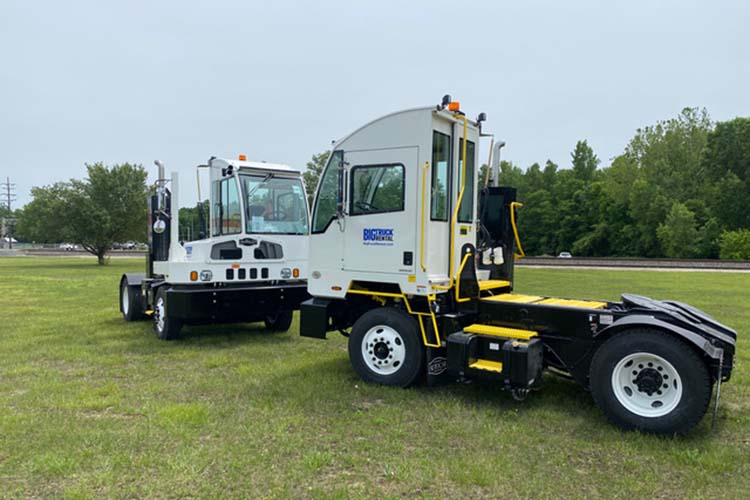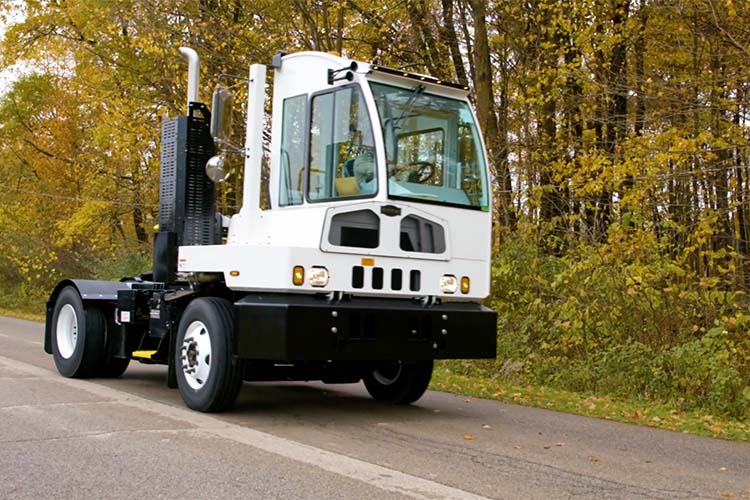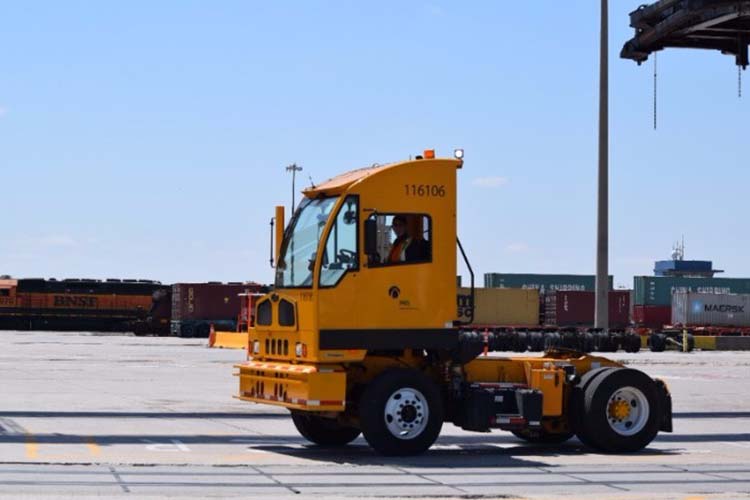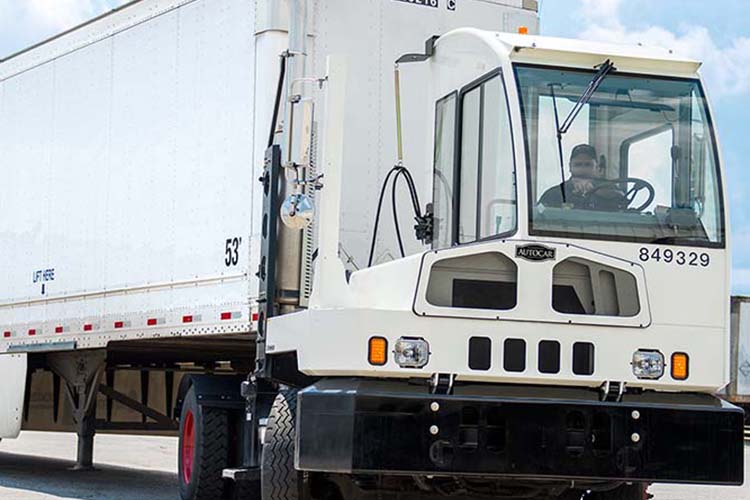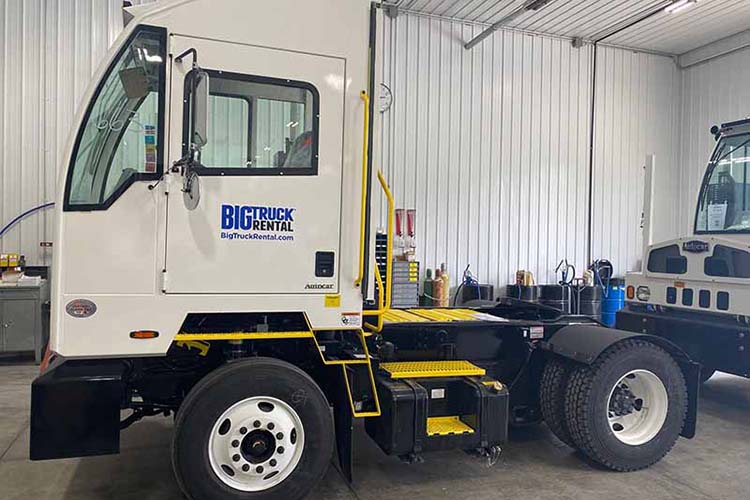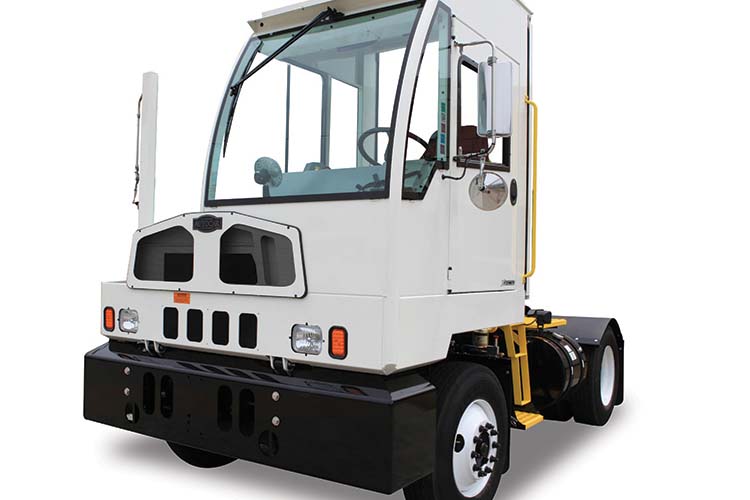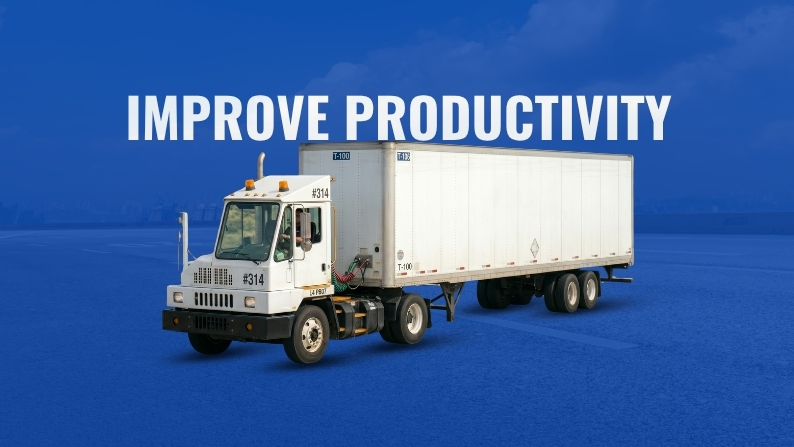
Distribution centers, ports, warehouses, and industrial facilities rely on efficient trailer movement to keep freight flowing and avoid costly bottlenecks. When trailers sit waiting for placement, loading, or repositioning, productivity slows across the entire operation. That’s why many facilities rely on terminal tractors, specialized vehicles designed specifically for yard operations and trailer spotting.
Unlike highway tractors, terminal tractors are built for frequent trailer moves, tight spaces, and continuous stop-and-go work. Their design helps facilities improve efficiency, reduce delays, and maximize throughput in high-traffic yards.
This guide explains how modern terminal tractors improve productivity and why they remain essential equipment for today’s logistics operations.
Built Specifically for Fast Trailer Movement
Terminal tractors are purpose-built for short-distance trailer movement within logistics facilities. Their primary function is to quickly move trailers between docks, staging areas, storage locations, and loading zones.
One of the biggest advantages of terminal tractors is the ability to couple and uncouple trailers much faster than traditional road tractors. This allows operators to complete trailer moves more efficiently while reducing delays throughout the yard.
By keeping trailers moving consistently, terminal tractors help:
- Improve dock utilization
- Reduce trailer wait times
- Support faster freight movement
- Increase overall yard productivity
For facilities that manage large volumes of trailers every day, speed and efficiency directly impact operational performance.
Tight Turning Radius Improves Movement in Congested Yards
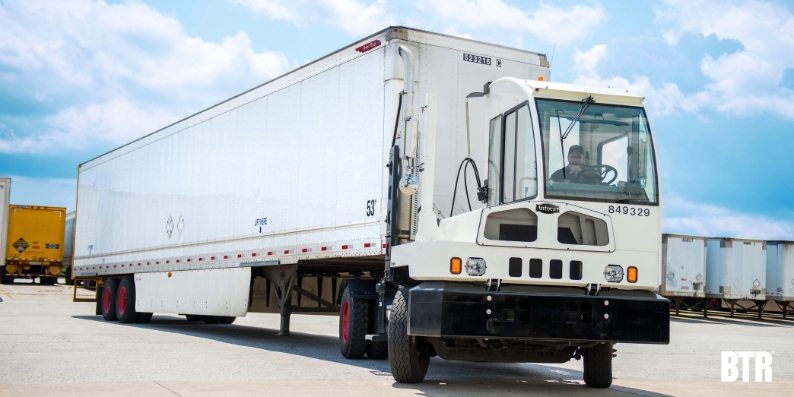
High-traffic yards often have limited space and constant activity. Navigating between parked trailers, loading docks, containers, and equipment requires exceptional maneuverability.
Terminal tractors are designed with a compact wheelbase and a tight turning radius, allowing operators to work efficiently in confined areas. Benefits include:
- Easier navigation through crowded yards
- Faster trailer positioning
- Reduced repositioning maneuvers
- Improved traffic flow throughout the facility
The ability to maneuver efficiently helps minimize delays and keeps yard operations moving smoothly during peak activity periods.
Quick Trailer Spotting Helps Reduce Turnaround Time
Trailer spotting is one of the most important functions within a logistics yard.
The faster a trailer can be moved into position, the sooner loading and unloading operations can begin. Delays in trailer placement can create bottlenecks that affect multiple departments across a facility.
Modern terminal tractors improve trailer spotting efficiency by:
- Reducing time between trailer moves
- Supporting faster dock assignments
- Improving loading and unloading schedules
- Increasing overall facility throughput
For high-volume operations, small improvements in trailer movement can significantly impact daily productivity. This is one of the primary ways yard trucks improve efficiency, helping facilities move freight faster while reducing delays throughout the yard.
Ergonomic Cab Design Supports Operator Productivity
Operators spend long hours performing repetitive trailer movements throughout the day. Comfort and ease of operation play an important role in maintaining productivity over extended shifts.
Modern terminal tractors are designed with operator efficiency in mind. Features often include:
- Comfortable seating and controls
- Excellent visibility around the vehicle
- Easy cab entry and exit
- Simplified operating systems
Wide visibility helps operators maintain awareness of surrounding equipment, trailers, and personnel while reducing stress during busy operations. By minimizing operator fatigue and simplifying repetitive tasks, ergonomic cab designs contribute to more efficient yard operations.
Designed for Constant Stop-and-Go Yard Operations
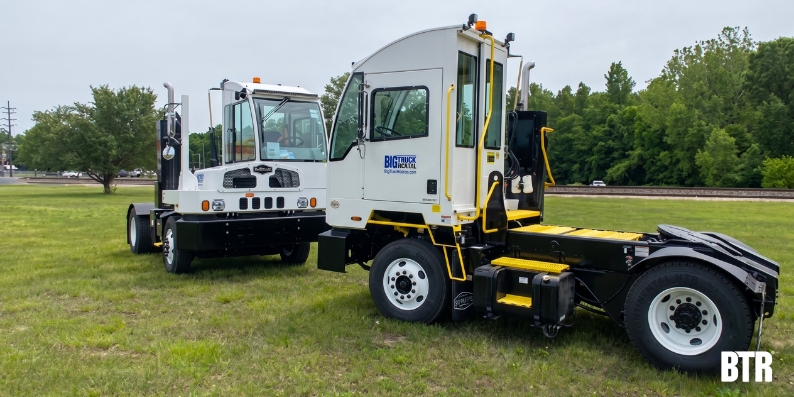
Unlike highway tractors that are designed for long-distance transportation, terminal tractors are engineered specifically for repetitive low-speed work. Understanding how a terminal tractor works helps explain why these vehicles are so effective at moving trailers quickly and efficiently within busy yard environments.
Throughout a typical shift, operators may perform dozens or even hundreds of trailer moves. This constant stop-and-go activity places unique demands on equipment.
Terminal tractors are built to handle:
- Frequent starts and stops
- Continuous trailer coupling and uncoupling
- Heavy trailer positioning
- High daily utilization
Their durable drivetrains and yard-focused design make them better suited for these demanding operating conditions than traditional road tractors.
Modern Technology Helps Improve Yard Efficiency
Technology continues to play an increasingly important role in logistics yard efficiency. Many modern terminal tractors include features that help operators work more safely and efficiently in busy environments.
Common technologies may include:
- Backup cameras
- Collision awareness systems
- Enhanced visibility features
- Fleet telematics
- Operational monitoring systems
Telematics data can provide valuable insights into:
- Equipment utilization
- Trailer movement patterns
- Idle time
- Productivity trends
This information helps facilities make more informed decisions that improve overall yard coordination and throughput.
Customization Helps Match Different Facility Needs
No two logistics operations are exactly alike. Facilities often require equipment configurations tailored to their specific operating environment.
Modern terminal tractors offer a range of customization options, including:
- Adjustable fifth-wheel heights
- Single or tandem rear axle configurations
- HVAC-equipped operator cabs
- Enhanced safety systems
- Specialized trailer compatibility options
These configurations allow facilities to select equipment that aligns with their trailer types, workload requirements, and operational goals. The result is greater efficiency and improved performance across a wide range of applications.
Why Productivity Matters in High-Traffic Yards
Yard productivity directly affects the performance of the entire supply chain.
When trailer movement slows, congestion increases. Delays at loading docks can impact shipping schedules, inventory management, labor utilization, and customer service commitments.
Efficient yard operations help facilities:
- Reduce congestion
- Improve freight flow
- Increase dock productivity
- Support on-time shipments
- Handle higher freight volumes
As distribution networks continue to grow, maintaining efficient yard operations becomes increasingly important for long-term success.
How Big Truck Rental Supports Yard Operations
Big Truck Rental provides terminal tractors designed for demanding logistics environments where productivity and reliability matter most.
Our flexible rental programs help facilities:
- Add capacity during peak demand periods
- Support temporary operational increases
- Replace equipment during maintenance events
- Scale yard operations without major capital investment
With modern equipment and nationwide support, BTR helps logistics operations maintain efficient trailer movement while adapting to changing business needs.
Whether managing a distribution center, warehouse complex, port operation, or industrial facility, access to reliable terminal tractors can help improve throughput and operational performance.
Final Thoughts
Modern terminal tractors play a vital role in improving productivity across high-traffic yards. Their specialized design, maneuverability, trailer spotting efficiency, and operator-focused features help facilities move freight faster while reducing operational delays. From crowded distribution centers to busy port terminals, efficient trailer movement is essential for maintaining smooth logistics operations.
Improve Yard Productivity With Big Truck Rental
Big Truck Rental provides terminal tractors for rent built for fast trailer spotting, efficient yard movement, and reliable performance in high-traffic logistics environments.
Reach out to us to explore flexible terminal tractor rental options and request a quote for equipment that improves yard throughput, reduces delays, and keeps your operations moving efficiently.
FAQs
What is a terminal tractor?
A terminal tractor is a specialized vehicle designed to move trailers within a yard, distribution center, warehouse, port, or industrial facility. It is built specifically for short-distance trailer spotting and repositioning rather than highway transportation.
How do terminal tractors improve productivity?
Terminal tractors improve productivity by allowing faster trailer movement, quicker coupling and uncoupling, better maneuverability in tight spaces, and more efficient trailer spotting throughout the yard.
What is trailer spotting?
Trailer spotting is the process of moving trailers between staging areas, loading docks, storage locations, and other positions within a facility. Efficient trailer spotting helps reduce delays and improve freight flow.
Why are terminal tractors better for yard operations than highway tractors?
Terminal tractors are specifically engineered for frequent stop-and-go operations, tight turning, and repetitive trailer handling. Their design allows operators to perform yard tasks more efficiently than traditional road tractors.
Do terminal tractors help reduce yard congestion?
Yes. Faster trailer movement and improved maneuverability help reduce bottlenecks, improve traffic flow, and support more efficient yard operations during busy periods.