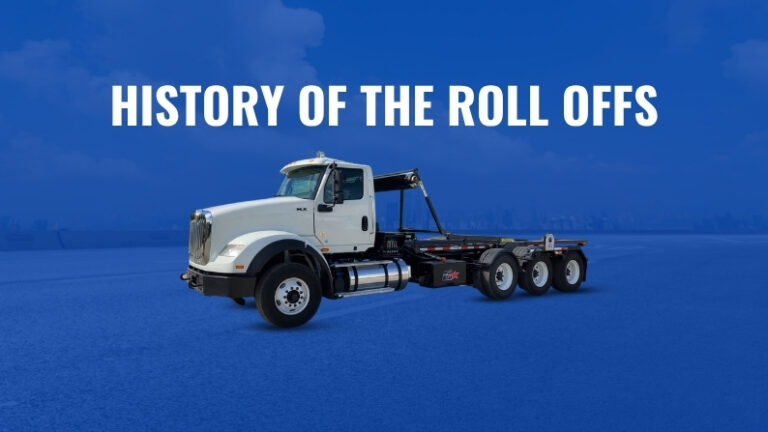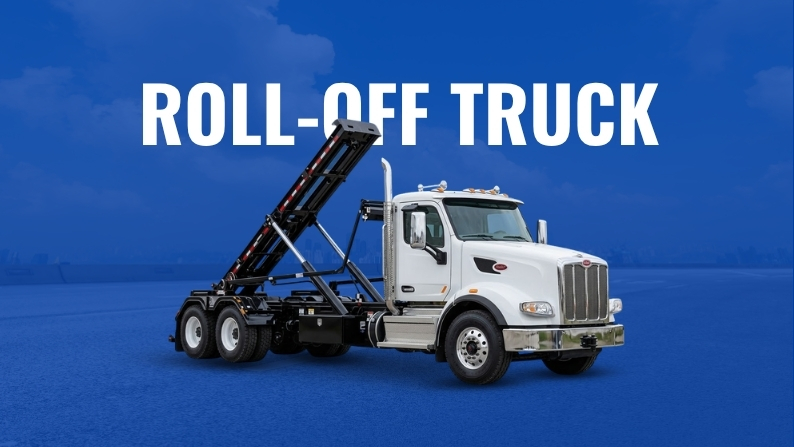
Roll-off trucks are a core part of many waste hauling and construction operations, especially when it comes to moving large containers quickly and efficiently. From job sites to industrial facilities, these trucks help keep materials flowing in and out without delays.
Choosing the right roll-off truck rental isn’t just about getting a vehicle on the road. It directly affects how smoothly your routes run, how safely your team operates, and how efficiently you handle daily hauling demands.
This guide walks through what to look for in a roll-off truck rental, including key features, hoist types, and practical factors that can help you match the right truck to your operation.
What a Roll-Off Truck Is Used For
A Roll-off truck is designed for transporting large, detachable waste containers that can be loaded and unloaded quickly.
They are commonly used for:
- Transporting commercial waste bins and roll-off containers
- Construction and demolition debris removal
- Industrial and manufacturing waste hauling
- Municipal cleanup and bulk waste collection
- Short-term or project-based hauling needs
Because of their versatility, roll-off trucks are essential for operations that require frequent container movement and high-volume waste handling.
How to Choose the Right Roll-Off Truck Rental
Selecting the right roll-off truck rental depends on how your operation works on a daily basis, not just on the truck itself.
Here are the key factors to consider:
- Type of job and waste material: Heavy construction debris may require a stronger lifting capacity, while general commercial waste may prioritize speed and efficiency.
- Hoist system type: Choosing between cable or hook lift systems can significantly affect safety, speed, and compatibility with containers.
- Site conditions and access: Tight job sites, low-clearance areas, or urban environments may require more maneuverable configurations.
- Rental duration and flexibility: Short-term projects, seasonal demand, or fleet downtime all require different rental terms.
- Operator safety and comfort: Modern trucks include features that improve productivity and reduce driver fatigue over long shifts.
Matching these factors correctly ensures your roll-off truck rental performs efficiently from day one.
Cable Hoist Roll-Off Trucks Explained
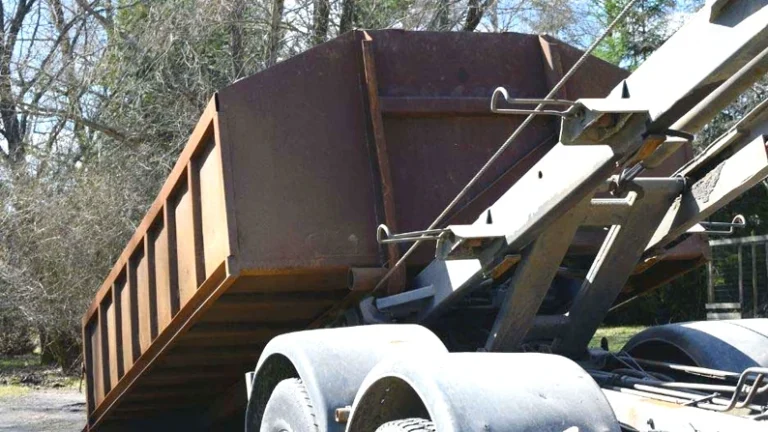
Cable hoist systems are among the original roll-off mechanisms and remain widely used for their strength and reliability.
They use a steel cable system to pull containers onto the truck bed, offering strong lifting capability for heavier loads.
Advantages
Cable hoist systems offer:
- Strong lifting capacity for heavy waste loads
- Reliable performance in demanding environments
- Adjustable ramp angles for tighter job site conditions
- Compatibility with rail-style containers
Limitations to Consider
However, there are some trade-offs:
- The operator may need to exit the cab during hookup
- Requires rail-compatible dumpster designs
- Slightly higher exposure during loading and unloading
Cable hoists are often preferred in rugged environments where durability is more important than speed.
Hook Lift Roll Off Trucks Explained
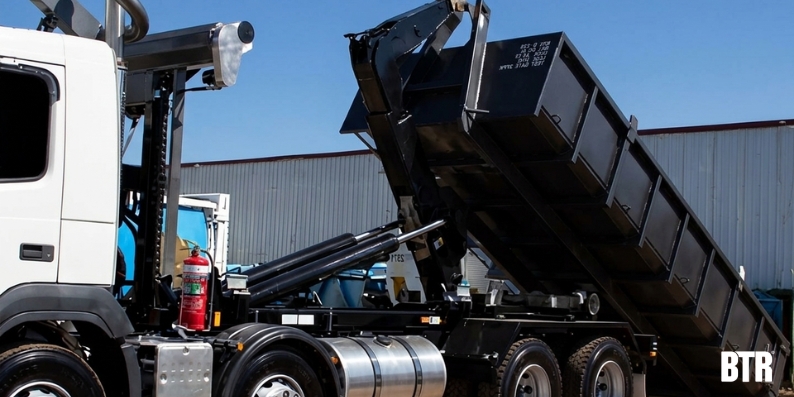
Hook lift systems use a hydraulic arm to lift and secure containers, allowing the operator to remain in the cab throughout the process.
This modern system is designed for speed, safety, and efficiency.
Advantages
Hook lift systems provide:
- Faster container pickup and drop-off cycles
- Improved operator safety with in-cab operation
- Reduced manual handling during loading
- Greater efficiency for high-volume operations
Limitations to Consider
There are a few considerations:
- Requires compatible container designs
- May require additional operator training
- Slightly different setup compared to cable systems
Hook lift trucks are often preferred for operations focused on speed and safety.
Safety and Comfort Features That Matter
Modern roll-off trucks are designed not just for performance, but also for operator safety and comfort during long working hours.
Important features include:
- Ergonomic seating for extended shifts
- Easy-to-read digital dashboards and controls
- Climate control for all-weather operation
- Large windows for improved visibility
- Anti-slip steps and secure entry points
- Storage compartments for operator convenience
Advanced models may also include safety technologies that help reduce operational risks and improve fleet oversight.
Safety and Technology Features
Modern roll-off trucks are designed not just for performance, but also for operator safety and comfort during long working hours. Understanding these features is also important when reviewing roll-off truck specifications, since they often determine both operational efficiency and long-term reliability.
These may include:
- Backup and side-view cameras
- Collision mitigation systems
- Electronic stability control
- Telematics and fleet tracking systems
- Driver monitoring technologies
These features can increase upfront costs but often reduce long-term risk by improving driver awareness and preventing accidents or costly downtime.
Why Renting Is Often the Better Option
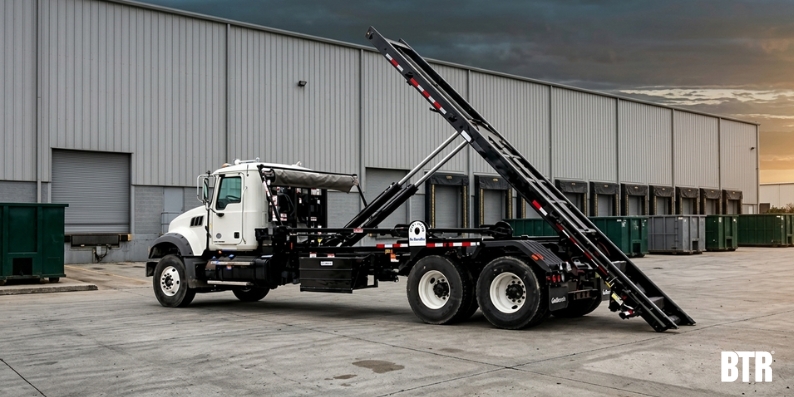
For many fleets, renting a roll-off truck is more practical than purchasing one outright.
Renting provides flexibility in situations where demand changes or immediate capacity is needed.
Key advantages of rental include:
- No large upfront capital investment
- Flexible short-term and long-term options
- Reduced maintenance and repair responsibility
- Faster access to working equipment
- Ability to scale fleet size based on demand
In real-world operations, rental becomes especially useful when a truck breaks down mid-project or when workload suddenly increases. Instead of delaying service, operators can bring in a replacement truck immediately and keep routes moving.
This is one of the benefits of renting a roll off truck, especially for fleets managing unpredictable workloads or seasonal spikes.
Roll Off Truck Rental Solutions from Big Truck Rental
Big Truck Rental provides flexible roll off truck rental solutions designed to support construction, industrial, and municipal waste hauling operations without the need for long-term ownership.
Our rental solutions help fleets:
- Maintain uptime during peak demand
- Replace out-of-service units quickly
- Scale operations without long-term commitments
- Access late-model, reliable equipment
- Improve overall operational flexibility
Whether you’re managing a single job site or a full fleet, roll-off truck rental options help keep operations moving efficiently while reducing downtime and avoiding large capital commitments.
Final Thoughts
Choosing the right roll-off truck rental depends on understanding your job requirements, hoist system type, and operational needs. Both cable and hook lift systems offer distinct advantages depending on how your fleet operates. Renting provides a flexible, cost-effective way to access reliable equipment without long-term financial risk or maintenance concerns. For many waste hauling operations, it’s the most efficient way to stay productive and responsive.
Find the Right Roll-Off Truck for Your Fleet
Big Truck Rental offers roll-off trucks designed for reliable performance, flexible rental terms, and demanding waste-hauling operations.
Contact us today to explore available rental options and get the right equipment delivered quickly to keep your operations moving without delays.
FAQs
What is a roll off truck used for?
A roll off truck is used to transport large waste containers for construction, industrial, municipal, and commercial waste hauling.
What is the difference between cable and hook lift roll off trucks?
Cable systems use steel cables to pull containers, while hook lift systems use a hydraulic arm for faster and safer in-cab operation.
Is it better to rent or buy a roll off truck?
Renting is often better for short-term needs, fleet flexibility, and avoiding high upfront costs and maintenance responsibilities.
What industries use roll off trucks the most?
Construction, demolition, waste management, manufacturing, and municipal services commonly use roll off trucks.
What features should I look for in a roll-off truck rental?
Key features include safety systems, hoist type, operator comfort, container compatibility, and fleet tracking technology.