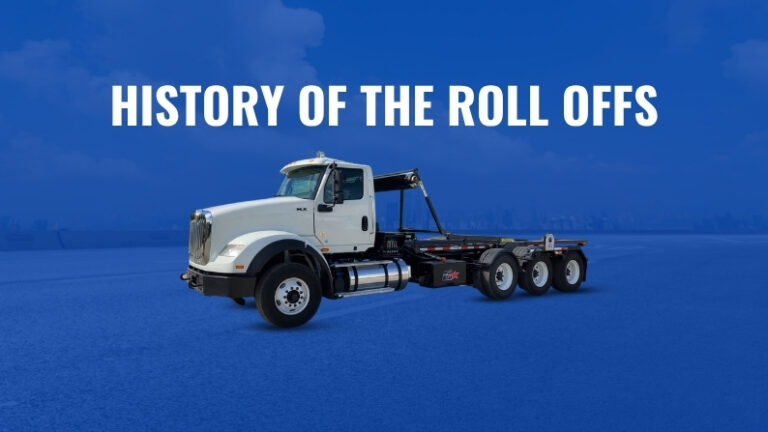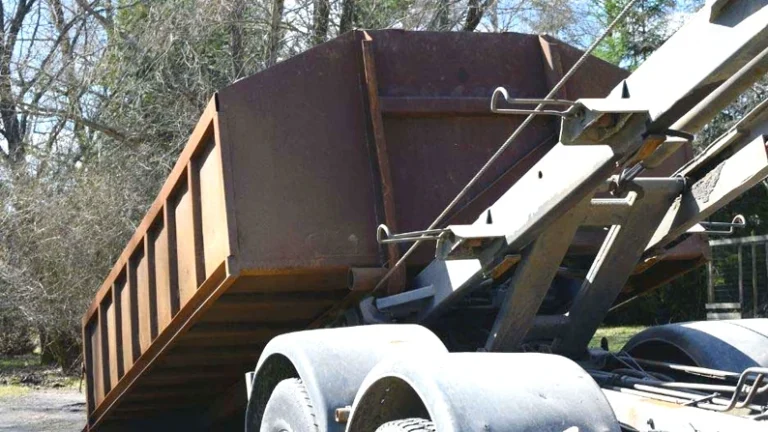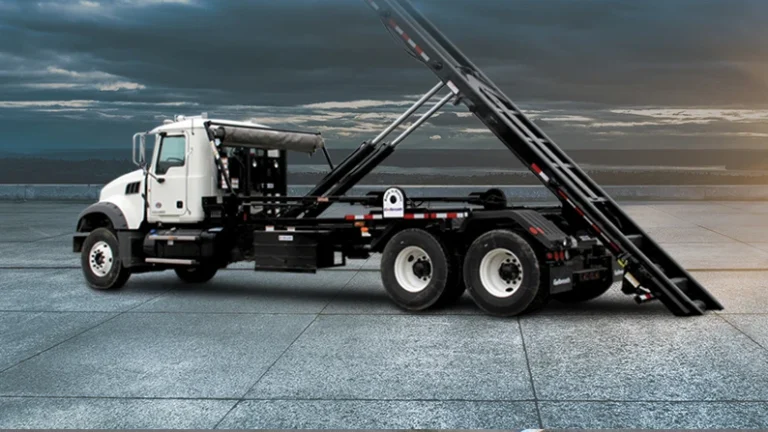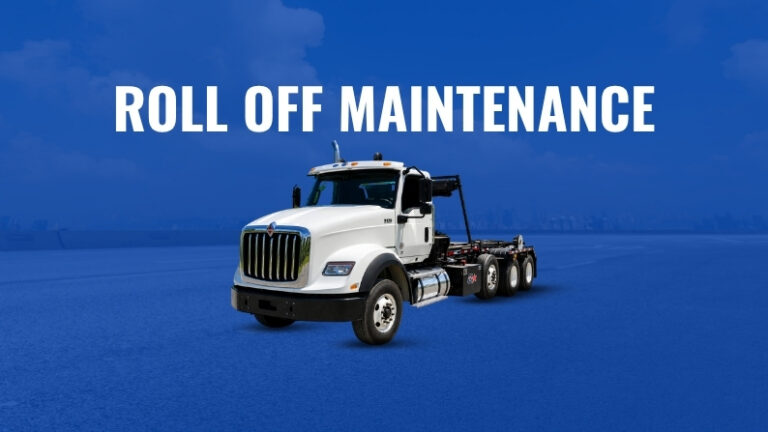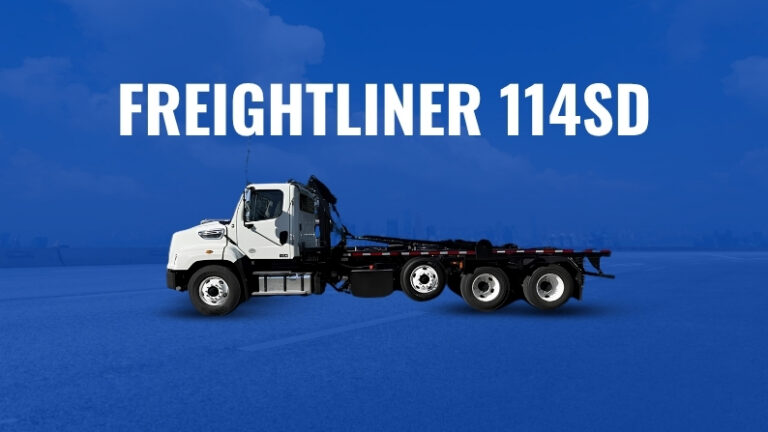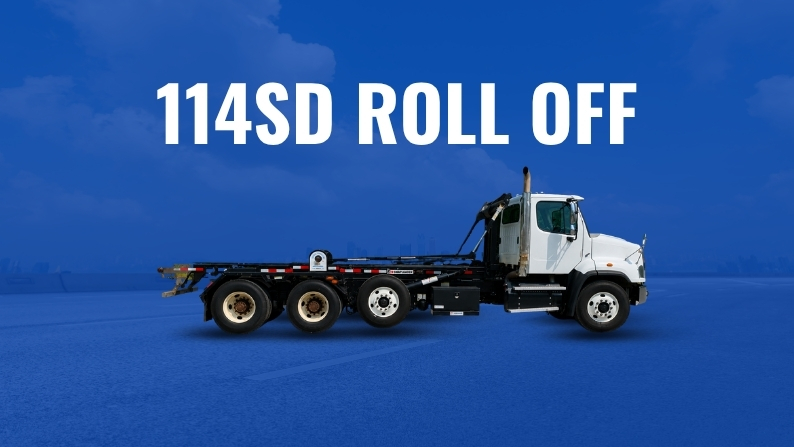
The Freightliner 114SD roll-off truck is built for demanding waste, construction, demolition, and recycling operations. Its durable chassis, powerful engine options, and dependable hydraulic system make it a popular choice for transporting roll-off containers in a wide range of jobsite conditions.
While the Freightliner 114SD is designed for heavy-duty performance, safe and efficient operation depends on proper training, routine inspections, and following established operating procedures. This guide provides an overview of how to operate a Freightliner 114SD roll-off truck, from pre-trip inspections to loading, transporting, and unloading containers.
Step 1: Complete a Pre-Trip Inspection
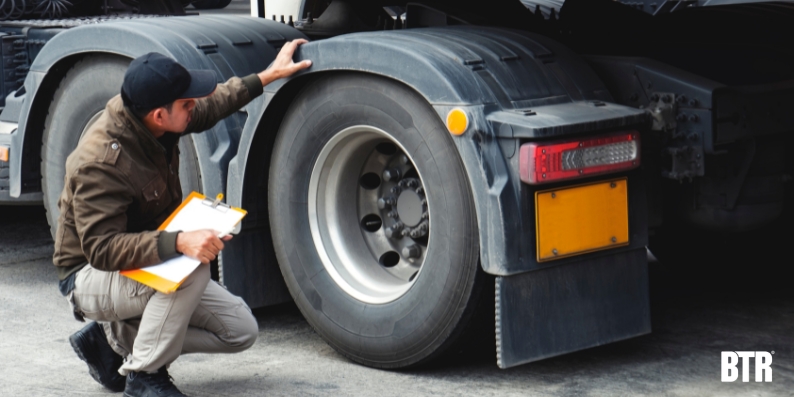
Before starting the truck, perform a thorough pre-trip inspection to help identify potential issues before they become safety hazards or cause unexpected downtime. Inspect the following components:
- Tires and wheels for proper inflation and damage
- Headlights, brake lights, turn signals, and warning lights
- Mirrors, windshield, and backup camera
- Hydraulic hoses, cylinders, and fluid levels
- Engine oil, coolant, transmission fluid, and DEF (if equipped)
- Hooklift or cable hoist components
- Container locks and safety latches
Completing a pre-trip inspection every day helps improve reliability and supports safe operation throughout the route.
Step 2: Position the Truck Correctly
Proper positioning makes loading safer and reduces unnecessary strain on the hoist system.
As you approach the container:
- Slow down and align the truck carefully.
- Center the truck with the container rails or the hook point.
- Whenever possible, operate on firm, level ground.
- Watch for pedestrians, nearby vehicles, overhead power lines, and other obstacles.
Taking a few extra moments to position the truck correctly can help prevent property damage and improve loading efficiency.
Step 3: Load the Container
Once the truck is properly aligned, engage the PTO (Power Take-Off) in accordance with the manufacturer’s operating procedures.
Activate the hydraulic controls slowly and carefully connect the hook or cable system to the container. Before lifting, confirm the connection is secure and perform a quick visual inspection around the truck if needed.
As the container moves onto the chassis:
- Keep it centered on the rails.
- Watch for shifting or misalignment.
- Operate the hydraulics with smooth, controlled movements.
- Stop immediately if anything appears abnormal.
After the container is fully loaded, verify that all locking mechanisms are engaged before transporting the load.
Step 4: Transport the Load Safely
Before leaving the pickup location:
- Confirm the container is fully secured.
- Verify any required tarping has been completed.
- Check mirrors and cameras for clear visibility.
While driving, remember that loaded containers affect braking distance and vehicle handling. Safe driving practices include:
- Accelerating and braking gradually
- Reducing speed on turns
- Allowing additional stopping distance
- Watching bridge clearances and overhead obstacles
- Following all commercial vehicle regulations
Driving smoothly helps protect both the equipment and the load. It also helps operators maximize the benefits of roll-off trucks, including efficient container transport, faster job-site turnaround, and improved productivity across waste collection and construction projects.
Step 5: Unload the Container
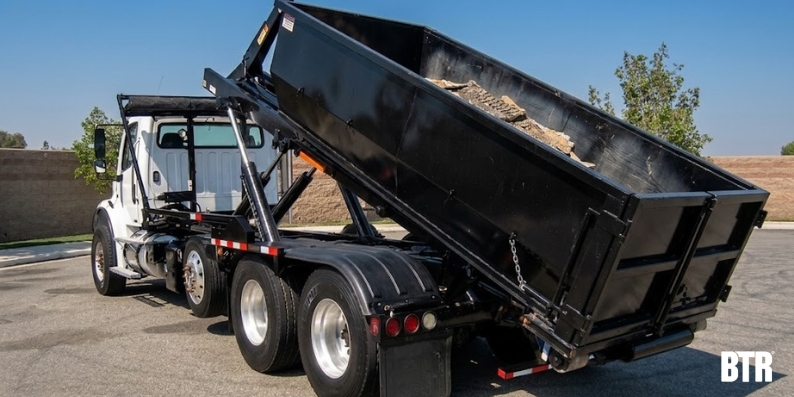
When arriving at the disposal site or customer location, position the truck on stable ground before beginning unloading.
Engage the PTO and use the hydraulic controls to raise the hoist slowly. Monitor the container as it slides from the rails to ensure it remains properly aligned throughout the unloading process.
Once the container has been placed:
- Fully retract the hoist.
- Disengage the PTO.
- Confirm all equipment has returned to its travel position.
- Perform a final walk-around inspection before leaving the site.
Following these steps helps ensure safe unloading while reducing unnecessary wear on the truck’s hydraulic system.
Safety Tips for Operating a Freightliner 114SD Roll Off Truck
Safe operation requires constant attention, especially when working around construction sites, transfer stations, landfills, and commercial facilities.
Some important garbage truck safety best practices include:
- Complete a pre-trip inspection before every shift.
- Never exceed the truck’s rated capacity.
- Keep bystanders clear during loading and unloading.
- Watch for overhead power lines and structures.
- Use smooth hydraulic movements.
- Wear appropriate personal protective equipment when exiting the cab.
- Follow company operating procedures and local regulations.
Good operating habits help reduce accidents while extending equipment life.
Why Choose the Freightliner 114SD?
The Freightliner 114SD has become a trusted platform for demanding vocational applications because it combines durability, operator comfort, and dependable performance.
Some of its advantages include:
- Heavy-duty vocational chassis
- Excellent visibility from the cab
- Durable suspension for demanding environments
- Multiple engine and transmission options
- Easy access for routine maintenance
- Comfortable interior for long workdays
These features make the Freightliner 114SD a dependable choice for fleets handling daily roll-off operations.
How Big Truck Rental Supports Your Fleet
Big Truck Rental offers Freightliner 114SD roll-off trucks to help businesses respond quickly to fleet growth, seasonal demand, truck-down situations, and temporary projects. Flexible rental options allow organizations to add dependable equipment without the long lead times or significant upfront investment associated with purchasing new trucks.
Whether you need short- or long-term fleet solutions, our team can help you find the right equipment for your operation.
Final Thoughts
Operating a Freightliner 114SD roll-off truck safely starts with thorough inspections, proper positioning, controlled hydraulic operation, and careful driving. Following established operating procedures helps improve productivity, reduce downtime, and protect both operators and equipment.
With proper training and dependable equipment, the Freightliner 114SD remains a reliable solution for transporting roll-off containers across a wide range of applications.
Keep Your Roll-Off Fleet Moving
Whether you need additional capacity for a temporary project, seasonal demand, or truck-down situations, Big Truck Rental offers dependable Freightliner 114SD roll-off trucks backed by flexible rental programs.
Contact us today to learn more about our rental options and find the right equipment for your operation.
FAQs
Is the Freightliner 114SD used for roll-off applications?
Yes. The Freightliner 114SD is a popular chassis for roll-off truck applications because of its durability, high payload capacity, and ability to perform in demanding vocational environments.
Do I need special training to operate a Freightliner 114SD roll-off truck?
Yes. Operators should receive proper training on commercial vehicle operation, hydraulic controls, loading procedures, and company safety policies before operating any roll-off truck.
What should I inspect before operating a Freightliner 114SD?
Inspect the tires, lights, mirrors, hydraulic system, fluid levels, hoist components, container locks, and safety equipment before every shift.
How can I help extend the life of a Freightliner 114SD?
Completing daily inspections, following preventive maintenance schedules, operating the hydraulics smoothly, and avoiding overloading can help extend the truck’s service life and improve reliability.
When does renting a Freightliner 114SD make sense?
Renting is often a practical solution during seasonal demand, fleet expansion, truck-down situations, emergency response, or while waiting for new equipment deliveries. It provides flexibility without the long-term commitment of ownership.