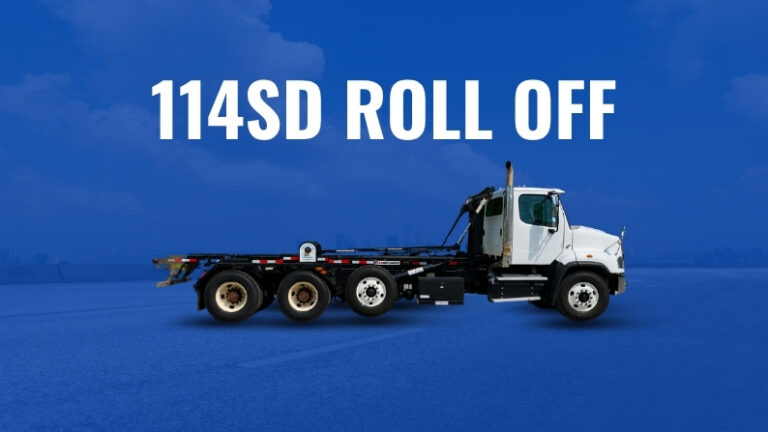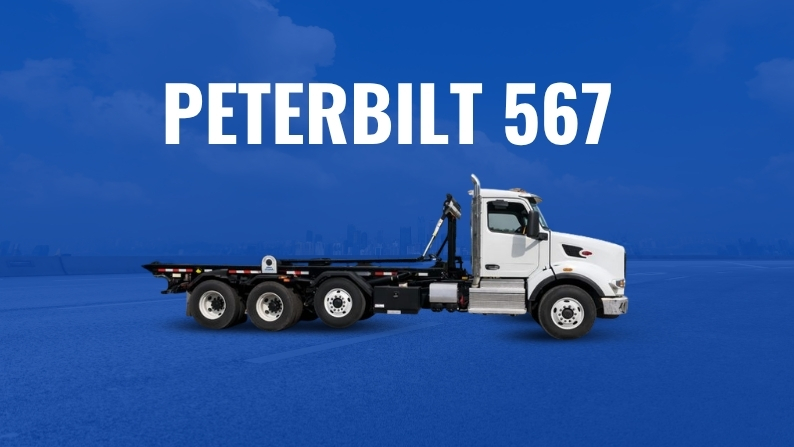
The Peterbilt 567 is widely used in waste management, construction, demolition, and industrial hauling because it combines durability, driver comfort, and the power needed for demanding roll-off applications. However, safely operating a roll-off truck requires more than simply driving from one job site to another. Operators must understand vehicle inspections, hydraulic controls, container loading procedures, and safe operating practices.
This guide explains how to operate a Peterbilt 567 roll-off garbage truck, from preparing the truck before each shift to handling containers safely throughout the workday.
Understand How the Peterbilt 567 Roll-Off Truck Works
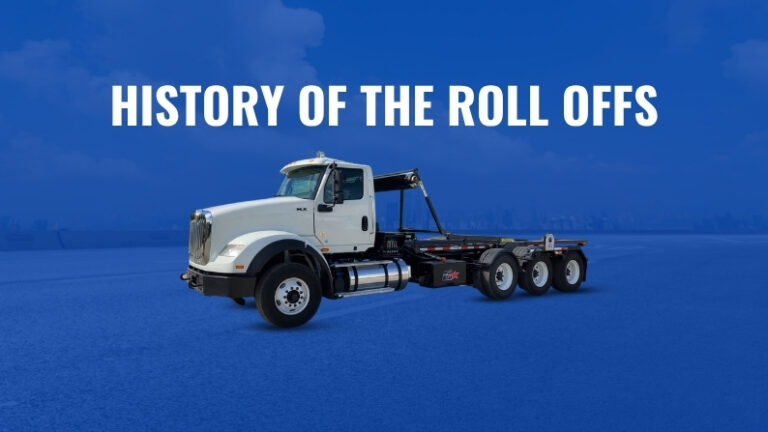
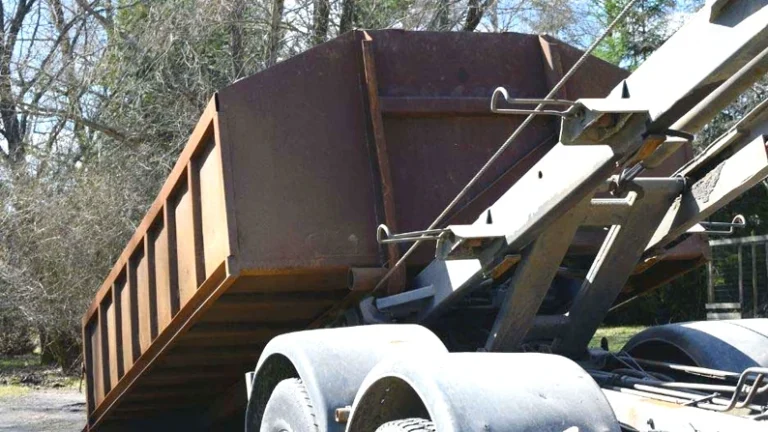
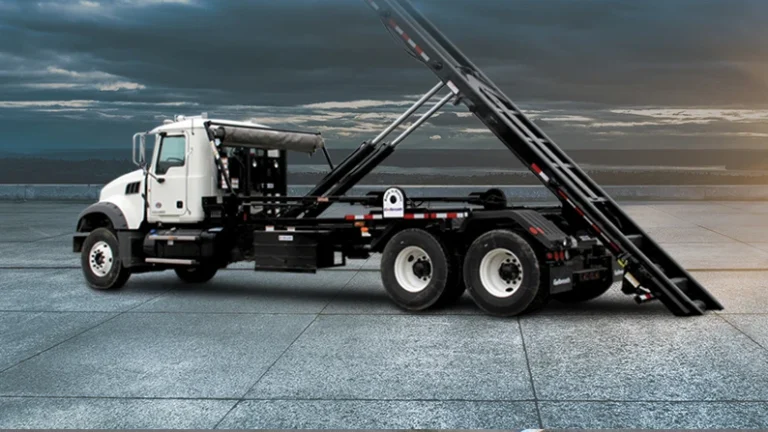
A Peterbilt 567 roll-off truck uses a hydraulic hoist system to load, transport, and unload large roll-off containers. These containers are commonly used for construction debris, commercial waste, demolition materials, industrial waste, and large cleanup projects.
Unlike front-loader or rear-loader garbage trucks, heavy-duty roll-off trucks transport removable containers rather than collecting loose waste directly into the truck body. The hydraulic system allows operators to pull containers onto the chassis and safely place them at customer locations.
Understanding how the hydraulic system, hoist, and container locking mechanisms work is essential before operating the truck.
Step 1: Perform a Pre-Trip Inspection
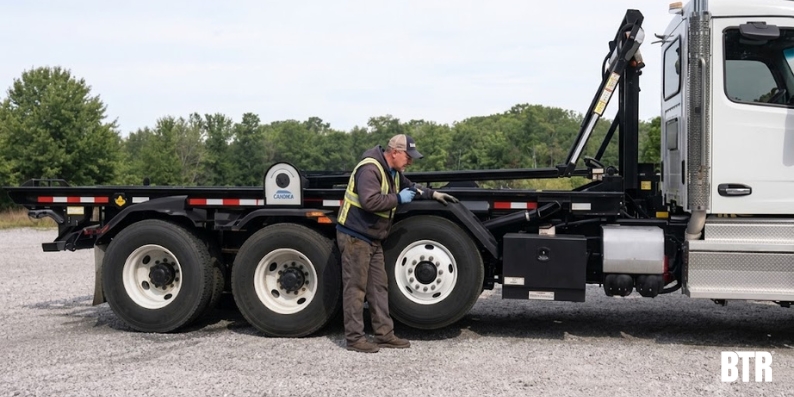
Every shift should begin with a complete inspection of the truck. A thorough pre-trip inspection helps identify potential problems before they become safety hazards or lead to unexpected downtime.
Tires and Wheels
Inspect each tire for proper inflation, excessive tread wear, cuts, or other visible damage. Also check that lug nuts appear secure and that there are no signs of wheel damage. Well-maintained tires improve stability when transporting heavy roll-off containers and help reduce the risk of roadside issues.
Lights, Mirrors, and Visibility
Verify that all lighting systems are working properly, including:
- Headlights
- Brake lights
- Turn signals
- Clearance lights
- Hazard lights
Mirrors, backup cameras, and windows should also be clean and provide clear visibility before beginning the route.
Hydraulic System
Because the hydraulic system performs all loading and unloading functions, it deserves careful attention during every inspection. Check the following components:
- Hydraulic hoses
- Hydraulic cylinders
- Hydraulic fluid levels
- Hoist rails
- Hook or cable system
- Visible hydraulic leaks
Even small hydraulic leaks can develop into larger repairs if left unaddressed.
Fluid Levels
Before operating the truck, inspect all required fluid levels, including:
- Engine oil
- Coolant
- Transmission fluid
- Hydraulic fluid
- Diesel exhaust fluid (if applicable)
Maintaining proper fluid levels helps support reliable performance throughout the day.
Roll-Off Hoist and Container Securement
Inspect all components involved in loading and securing containers, including:
- Rollers
- Container locks
- Safety latches
- Hook or cable assemblies
- Hoist frame
Any damaged or worn components should be reported and repaired before the truck enters service. Conducting consistent daily inspections helps reduce breakdowns, improve operational safety, and support good roll-off truck maintenance practices that keep the truck performing reliably over time.
Step 2: Position the Truck Properly
Proper positioning is one of the most important parts of operating a roll-off truck. A poorly aligned truck can make container loading more difficult, increase wear on the hoist system, and create unnecessary safety risks.
As you approach the container, reduce speed and carefully line up the truck with the container rails or hook point. Whenever possible, perform loading operations on firm, level ground to improve vehicle stability.
Operators should also remain aware of the surrounding environment before engaging the hydraulic system. Look for:
- Pedestrians
- Nearby vehicles
- Buildings
- Utility poles
- Overhead power lines
- Tree branches
- Uneven ground
Taking a few extra moments to position the truck correctly can help prevent property damage, reduce equipment wear, and make the loading process smoother.
Step 3: Load the Roll-Off Container
Once the truck is properly aligned, the operator can begin loading the container using the hydraulic hoist system. Smooth, controlled movements are important throughout the entire loading process to maintain stability and protect both the truck and container.
Engage the Hoist System
Activate the hydraulic controls according to the manufacturer’s operating procedures. Whether the truck uses a hooklift or cable hoist, ensure the lifting mechanism is properly connected before applying hydraulic power.
Avoid sudden movements while engaging the system, as gradual hydraulic operation provides better control during loading.
Monitor Container Alignment
As the container moves onto the truck, watch its position carefully to ensure it remains centered on the rails.
If the container begins shifting or appears misaligned, stop the operation and correct the issue before continuing. Proper alignment reduces unnecessary stress on the hoist system and helps prevent damage to the container.
Secure the Container
After the container has been fully loaded onto the chassis, verify that all locking mechanisms have engaged correctly.
Before driving away, perform a final visual inspection to confirm:
- The container is fully seated on the rails.
- Locks and safety devices are engaged.
- No hydraulic leaks are visible.
- The load appears stable.
- Nothing is obstructing the truck’s movement.
Taking time to verify the load before transport helps reduce the risk of equipment damage and improves safety while traveling between job sites.
Step 4: Load and Transport the Container Safely
Once the container is securely attached, you’re ready to transport it. Safe driving practices are especially important because roll-off trucks often carry heavy, uneven loads that affect braking, handling, and stability.
Before leaving the pickup location:
- Verify the container is fully secured.
- Make sure all tarping or covering requirements have been completed, if applicable.
- Check mirrors and cameras for clear visibility.
- Confirm the container is positioned correctly on the rails.
While driving:
- Accelerate and brake smoothly.
- Reduce speed when making turns.
- Allow extra stopping distance for heavy loads.
- Stay aware of bridge clearances, overhead obstacles, and road restrictions.
- Follow all local and state regulations for commercial vehicle operation.
Taking a few extra moments to verify the load before traveling can help reduce equipment damage and improve overall job site safety.
Step 5: Complete the Roll-Off Cycle
Once the container has been loaded or unloaded:
- Secure the container before driving.
- Confirm all hooks, locks, or cable systems are fully engaged.
- Fully retract the hoist and ensure all equipment is in its travel position.
- Perform a final walk-around to check for loose debris, overhead hazards, or obstructions.
Completing these final checks helps protect the equipment, cargo, and surrounding work area before heading to the next stop.
Safety Best Practices for Operating a Peterbilt 567 Roll-Off Truck
Roll-off trucks often operate in active construction sites, industrial facilities, transfer stations, and other busy environments where safety should always be the top priority.
Operators should always:
- Perform a pre-trip inspection before every shift.
- Watch carefully for overhead power lines, tree branches, and other obstacles.
- Keep bystanders clear while loading or unloading containers.
- Operate the hoist using smooth, controlled movements.
- Never exceed the truck’s rated capacity.
- Follow all company procedures and local safety regulations.
Following these roll-off truck safety best practices helps reduce accidents, minimize equipment damage, and keep jobs running efficiently.
How Big Truck Rental Supports Roll-Off Operations
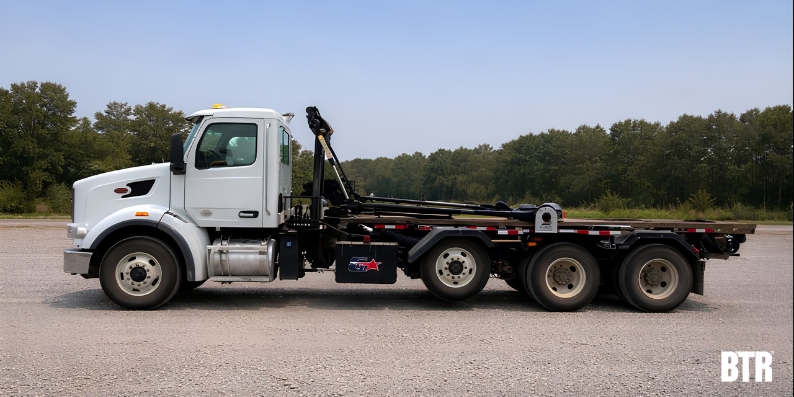
Big Truck Rental offers dependable Peterbilt roll-off trucks for construction companies, waste haulers, municipalities, and industrial operations across North America.
We also provide responsive support and rent-to-purchase options, giving fleets the flexibility to scale as business needs change. Contact us today!
Final Thoughts
Learning how to operate a Peterbilt 567 roll-off garbage truck starts with understanding the equipment, following safe operating procedures, and completing every step carefully—from pre-trip inspections to properly securing the container before transport. With trained operators and dependable equipment, the Peterbilt 567 delivers the reliability and performance needed to keep roll-off operations running safely and efficiently.
FAQs
What is a Peterbilt 567 roll-off garbage truck used for?
A Peterbilt 567 roll-off garbage truck transports roll-off containers for construction debris, demolition waste, recycling, and other heavy-duty hauling jobs.
How do you safely operate a Peterbilt 567 roll-off garbage truck?
Perform a pre-trip inspection, operate the hydraulic hoist correctly, secure the container, and follow safe driving practices and local regulations.
What should you inspect before operating a Peterbilt 567 roll-off truck?
Check the tires, brakes, lights, mirrors, hydraulic system, fluid levels, hoist, and container securement before every shift.
Do you need special training to operate a Peterbilt 567 roll-off truck?
Yes. Operators should be trained in commercial vehicle operation, hydraulic controls, container handling, and job site safety.
Can I rent a Peterbilt 567 roll-off garbage truck?
Yes. Big Truck Rental offers flexible Peterbilt 567 roll-off truck rentals for short-term, long-term, and rent-to-purchase needs.