Commercial waste collection is becoming more complex as cities grow and service demands increase. Routes are tighter, volumes are higher, and expectations for reliability are stricter than ever. To keep up, fleets are turning to technology and automation to improve performance across daily operations. From faster pickups to safer workflows, automation is reshaping how modern fleets operate.
At Big Truck Rental, we see how these changes are improving efficiency across the industry. In this guide, we’ll break down how waste collection automation is transforming commercial waste collection and what it means for modern fleet operations.
What Automation Means in Commercial Waste Collection
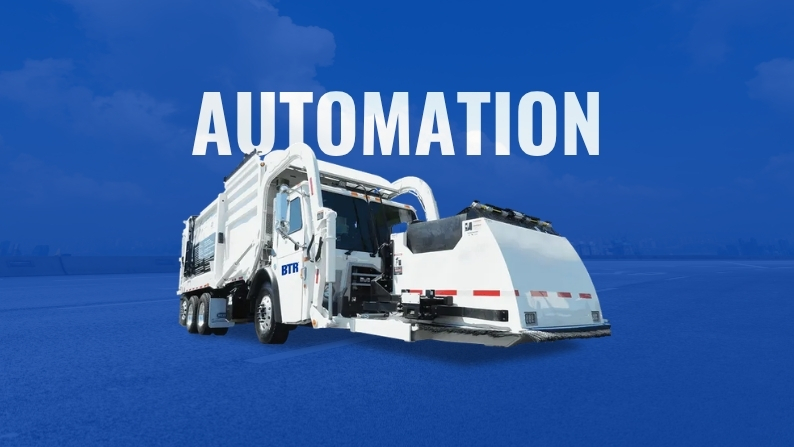
In commercial waste collection, automation refers to the use of mechanical systems that handle lifting, emptying, and container management with minimal manual effort.
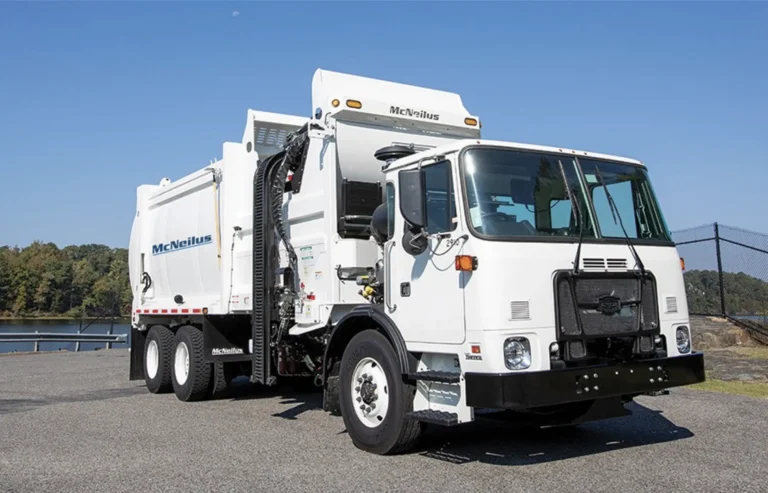
Modern automated garbage trucks use hydraulic lifting arms and onboard systems to standardize the collection process. This reduces reliance on manual handling and creates more controlled, repeatable workflows.
This shift from manual processes to automation is a key part of modern waste management technology, allowing fleets to operate more efficiently across both residential and commercial routes.
Faster and More Efficient Collection Routes
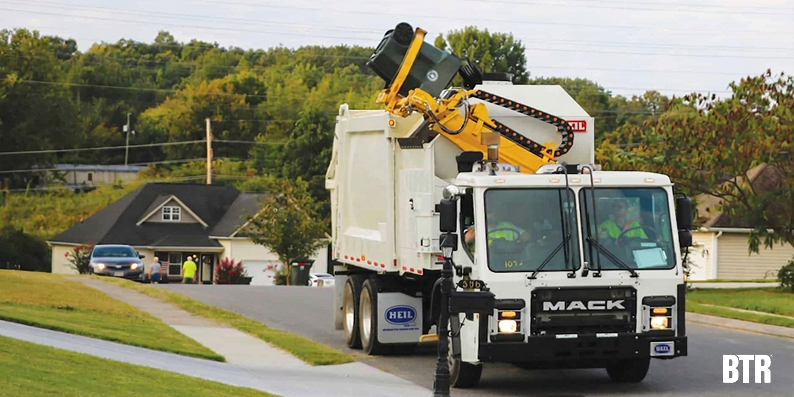
Automation significantly improves route speed. Each stop takes less time because lifting and dumping processes are handled by mechanical systems rather than manual labor.
Faster cycle times mean fewer delays, even during high-volume collection periods. This helps fleets complete routes more efficiently and stay on schedule.
Over time, these improvements lead to faster overall route completion and better operational consistency.
Improved Safety for Operators and Crews
Safety is one of the biggest benefits of automation. With less manual lifting required, operators experience reduced physical strain and a lower risk of injury.
Crews are also less exposed to traffic and roadside hazards since many processes can be handled directly from the truck.
This creates a more controlled and predictable collection environment, improving safety across different route types and conditions.
Reduced Labor Requirements and Better Workforce Management
Automation reduces the number of crew members needed per truck, allowing fleets to operate more efficiently with smaller teams. This makes scheduling easier and helps address ongoing labor shortages in the waste industry.
By optimizing workforce usage, fleets can maintain service levels while improving overall operational efficiency.
More Consistent Service and Route Performance
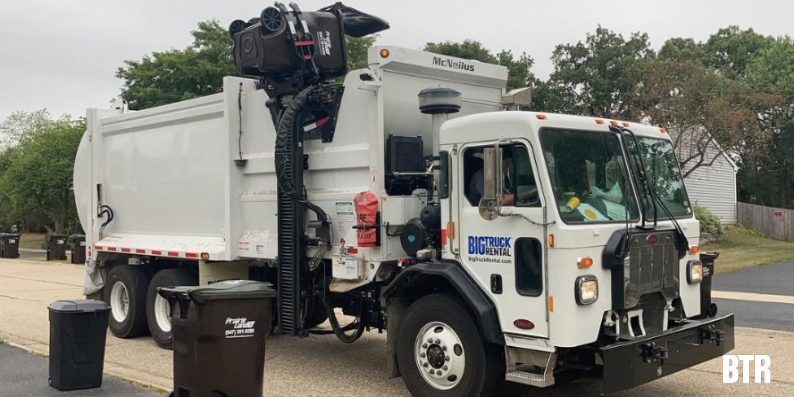
One of the strongest advantages of automation is consistency. Each container is handled using the same process, reducing variability between stops. This leads to fewer missed pickups and more predictable route timing, improving service reliability for customers.
Consistent operations also help fleets maintain higher service standards across all routes.
Higher Capacity and Fewer Landfill Trips
Automated systems improve compaction and container handling efficiency, allowing trucks to carry more waste per route. This reduces the number of trips needed to disposal sites, saving time and fuel.
For high-volume operations, this increase in capacity directly improves productivity and lowers operating costs.
Technology Supporting Smarter Fleet Operations
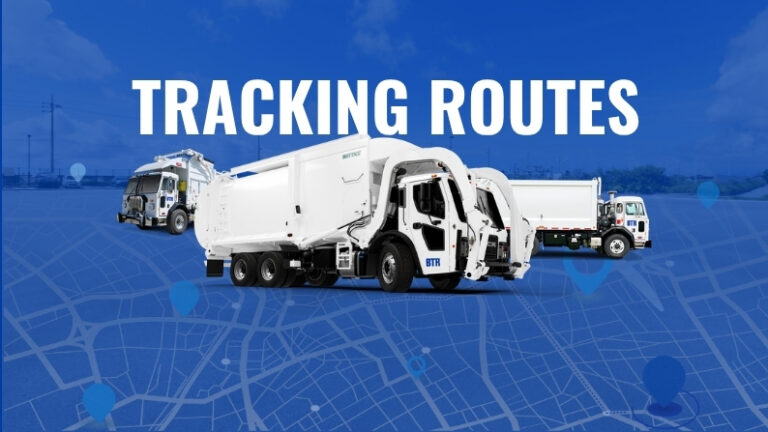
Modern waste management technology goes beyond mechanical automation. Many fleets now use telematics systems to track performance and monitor truck usage in real time.
This data helps operators optimize route planning, identify inefficiencies, and improve decision-making. It also reflects the future of automated waste collection, where smarter, more connected systems continue to shape fleet operations.
How Big Truck Rental Supports Automated Waste Collection
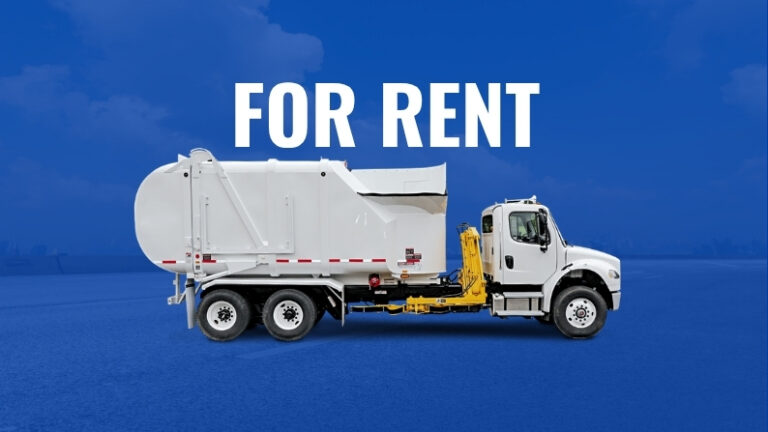
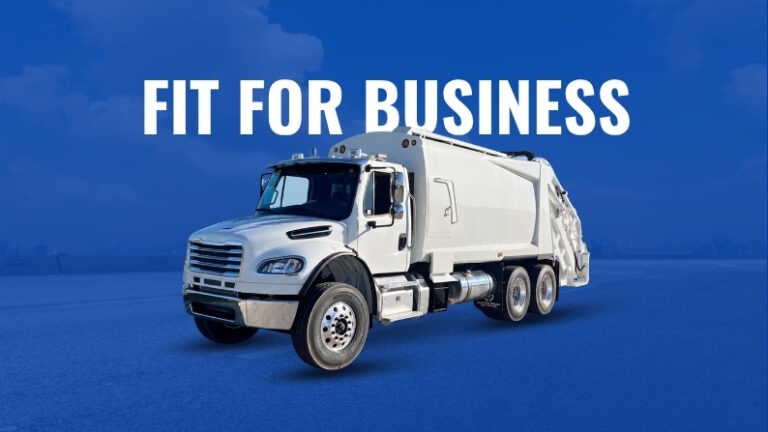
Big Truck Rental provides access to automated garbage trucks designed for efficient commercial waste collection. Flexible garbage truck rental options allow fleets to scale operations, manage peak demand, or support new contracts without long-term ownership costs.
Short-term rentals also help maintain service continuity during maintenance or unexpected downtime, ensuring routes stay active and reliable.
Final Thoughts
Automation is changing how commercial waste collection operates every day. It improves speed, safety, and consistency across routes while helping fleets manage growing operational demands. As the industry continues to evolve, automation is becoming a key part of building more efficient and scalable waste operations. Fleets that adopt these systems are better positioned to handle future challenges and maintain high service standards.
Move Your Fleet Forward with Big Truck Rental
Big Truck Rental helps waste haulers adopt automation with modern garbage trucks built for efficient, safe, and reliable commercial waste collection.
Contact us to explore flexible rental options that support route efficiency, workforce needs, and long-term growth.
FAQs
What are the benefits of waste management technology in fleets?
Modern waste management technology helps fleets track performance, optimize routes, and improve decision-making through real-time data and telematics systems.
Are automated garbage trucks suitable for all routes?
They are best suited for structured residential and commercial routes with standardized container systems. They may not be ideal for highly irregular or bulk-only waste collection.
Can fleets rent automated garbage trucks instead of buying them?
Yes. Through garbage truck rental solutions like those offered by Big Truck Rental, fleets can access automated trucks for short-term needs, seasonal demand, or long-term flexibility without heavy capital investment.
What types of waste collection use automated trucks?
Automated trucks are commonly used in residential neighborhoods, apartment complexes, office parks, and commercial waste collection routes with standardized containers.