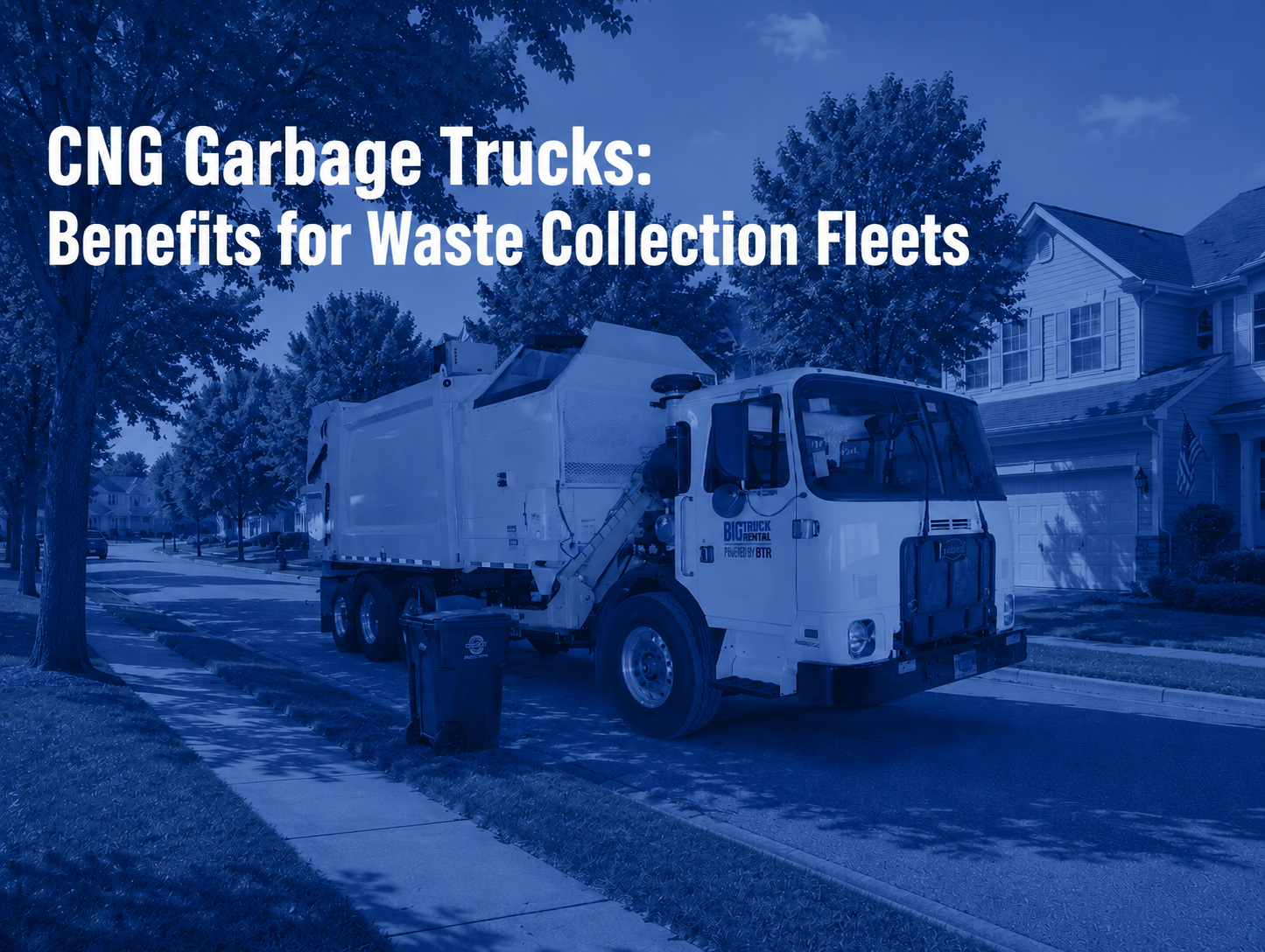
Compressed natural gas (CNG) garbage trucks continue to play an important role in the waste and recycling industry for municipalities and haulers that have invested in alternative fuel infrastructure and long-term sustainability initiatives.
While CNG is not the right fit for every waste fleet, many organizations across North America continue to operate and expand CNG programs because of the environmental, operational, and community benefits these trucks can provide.
For fleets already equipped with CNG fueling infrastructure, these trucks can offer a reliable and proven solution for residential collection operations.
Why Some Waste Fleets Use CNG Garbage Trucks
CNG refuse trucks are most commonly used by municipalities and waste companies that have already invested in compressed natural gas fueling systems or operate in areas with reliable CNG fueling access.
Because infrastructure investment is required, CNG adoption tends to be concentrated among:
- Municipal sanitation departments
- Large private haulers
- Regional waste operators
- Fleets with centralized collection operations
- Organizations focused on long-term sustainability goals
These fleets often standardize around CNG platforms to create consistency across fueling, maintenance, route planning, and driver operations.
Environmental Benefits of CNG Refuse Trucks
One of the primary reasons municipalities and haulers adopt CNG fleets is environmental performance.
Compared to traditional diesel-powered refuse trucks, CNG platforms can help reduce:
- Greenhouse gas emissions
- Particulate matter output
- Nitrogen oxide emissions
- Overall fleet emissions exposure
For municipalities, this can support broader sustainability initiatives and environmental planning goals. For private haulers, it can help align with customer expectations and ESG-focused operational strategies.
Quieter Collection Operations
CNG garbage trucks are also known for quieter operation during collection routes compared to traditional diesel-powered equipment.
This can be especially valuable in:
- Residential neighborhoods
- Urban collection environments
- Early morning routes
- Noise-sensitive communities
Reduced operational noise can improve resident experience while also creating a more comfortable working environment for drivers and collection crews.
Why CNG Works Well for Residential Collection
Residential waste collection routes are often highly repetitive and centralized, making them a strong operational fit for fleets already utilizing CNG infrastructure.
Many CNG refuse fleets operate on routes where trucks:
- Leave from the same facility daily
- Return to centralized fueling locations
- Maintain predictable route schedules
- Operate in dense residential service areas
Because of this consistency, municipalities and haulers with existing CNG infrastructure can often operate these fleets efficiently over the long term.
Proven Technology Across Waste Fleets
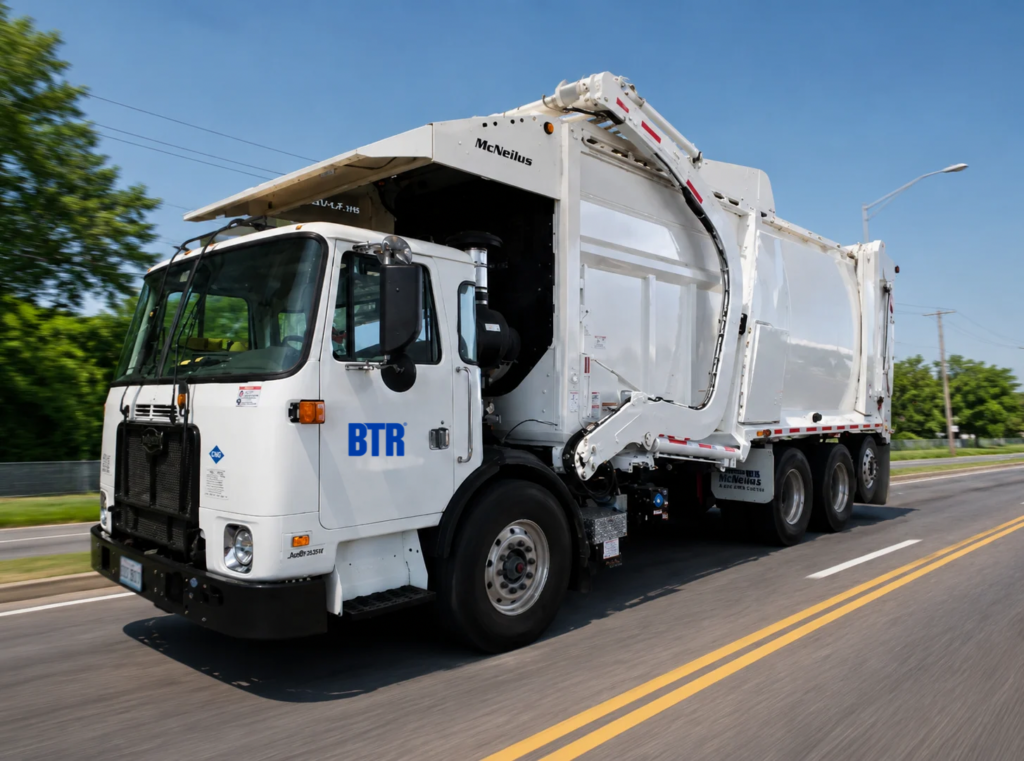
CNG refuse trucks have been utilized across the waste industry for years and are commonly found in:
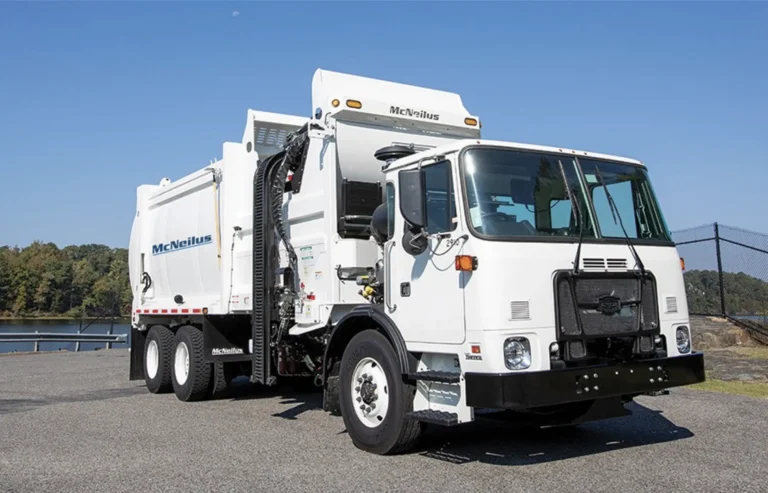
- Front loader fleets
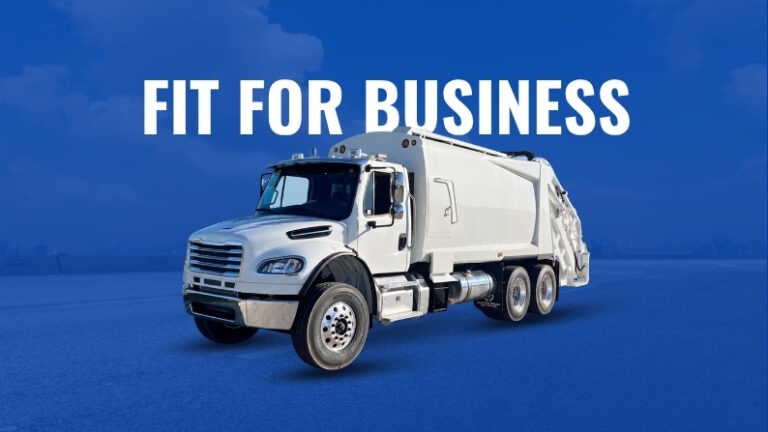
- Rear loader fleets
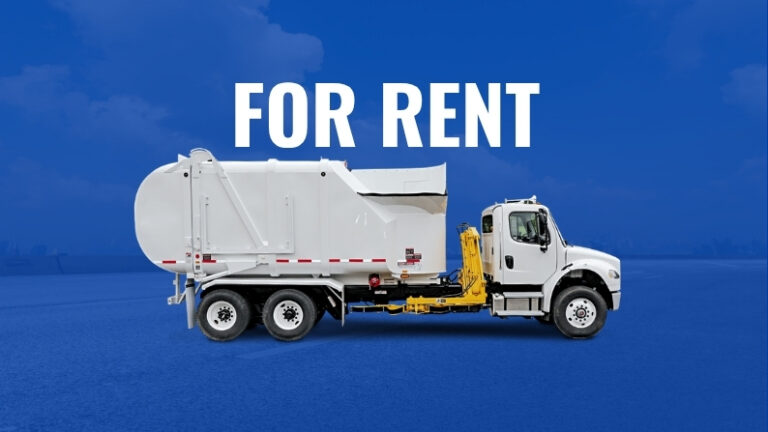
- Automated side loader fleets
- Residential recycling operations
- Municipal public works fleets
For organizations already committed to alternative fuel operations, CNG remains a proven platform with established maintenance processes, technician familiarity, and operational experience.
The Role of Off-Rent CNG Trucks
For fleets already operating CNG infrastructure, purchasing off-rent CNG garbage trucks can provide an opportunity to expand or replace equipment while reducing capital costs compared to buying new units.
Off-rent inventory may help organizations:
- Access equipment faster
- Reduce upfront capital investment
- Add late-model trucks to existing fleets
- Maintain consistency across operations
- Bridge gaps caused by long OEM lead times
For municipalities and haulers already operating within a CNG ecosystem, integrating additional CNG units is often more practical than starting a new alternative fuel program from scratch.
CNG Trucks Continue to Support Specialized Waste Fleets
CNG garbage trucks remain a specialized but important part of the waste and recycling industry. While not every fleet operates CNG equipment, many municipalities and haulers continue to rely on these trucks because of their environmental benefits, quieter operation, and compatibility with established alternative fuel infrastructure.
For fleets already committed to CNG operations, these trucks continue to provide a practical and proven solution for residential collection and long-term fleet planning.
FAQs About CNG Garbage Trucks
What are the benefits of CNG garbage trucks?
CNG garbage trucks can provide lower emissions output, quieter collection operations, and fuel diversification for municipalities and waste haulers that already operate compressed natural gas infrastructure.
Why do municipalities use CNG refuse trucks?
Many municipalities use CNG refuse trucks to support sustainability initiatives, reduce neighborhood noise during collection operations, and maintain consistency across established alternative fuel fleet programs.
Do CNG garbage trucks require special fueling infrastructure?
Yes. CNG garbage trucks require access to compressed natural gas fueling infrastructure, which is why they are typically used by fleets that have already invested in CNG fueling operations.
What types of garbage trucks are available with CNG engines?
CNG-powered garbage trucks are commonly available in front loader, rear loader, and side loader configurations depending on the collection application and route type.
Why do fleets purchase off-rent CNG garbage trucks?
Fleets already operating CNG infrastructure may purchase off-rent CNG garbage trucks to reduce capital costs, expand fleets faster, maintain operational consistency, and avoid extended lead times associated with new equipment orders.