Key Takeaways
- Garbage truck breakdowns, staffing shortages, and inefficient route planning can prevent municipal crews from completing scheduled trash collections.
- Seasonal waste increases, severe weather, road closures, and inaccessible collection points can disrupt regular pickup schedules.
- Clear collection guidelines and timely communication help residents understand proper waste placement and avoid preventable missed pickups.
- Preventive maintenance, effective scheduling, and backup staffing plans can help municipalities reduce collection disruptions.
- Garbage truck rentals can provide additional fleet capacity when existing vehicles are unavailable or collection demand increases.
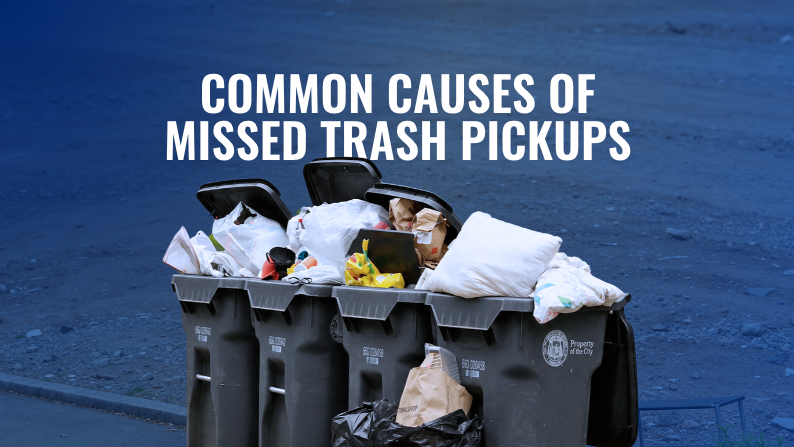
Reliable trash collection helps municipalities keep neighborhoods clean and protect public health. However, even well-planned collection schedules can experience delays or missed trash pickups.
Several factors can affect daily operations, including vehicle breakdowns, staffing shortages, poor route planning, and unexpected increases in waste. Understanding these causes helps municipalities identify problems, improve collection schedules, and prepare for service disruptions.
1. Garbage Truck Breakdowns and Unexpected Maintenance
Aging garbage truck fleets can create significant challenges for municipal waste collection. As collection vehicles accumulate years of service and operating hours, their components wear out. Older trucks may require more frequent repairs, increasing the possibility of unexpected breakdowns. Municipalities operating aging fleets without adequate replacement plans may find it increasingly difficult to maintain consistent collection schedules.
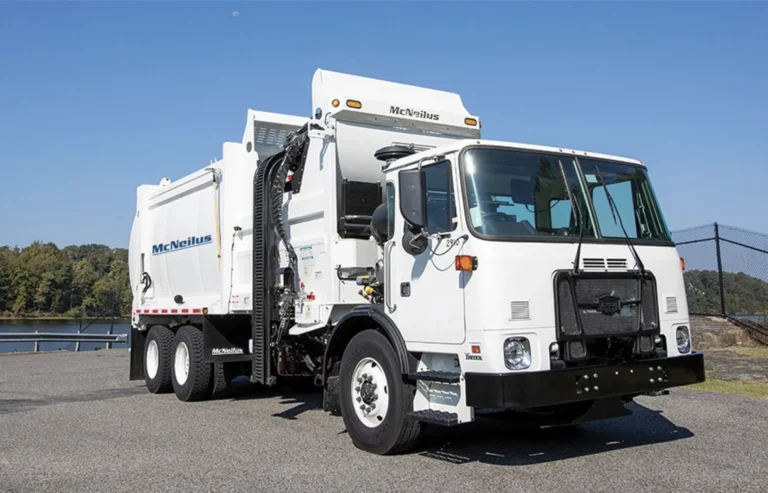
Garbage trucks perform demanding work involving repeated stopping, lifting, compacting, and transporting heavy waste loads. Over time, these activities can contribute to engine problems, hydraulic malfunctions, and worn or damaged lifting and compaction systems. When a vehicle breaks down during a scheduled route, crews may be unable to complete their assigned pickups. If backup trucks are unavailable, the municipality may need to reassign vehicles, delay collection, or leave portions of a route unfinished.
How Municipalities Can Prevent It
- Implement preventive maintenance schedules: Conduct regular vehicle inspections and scheduled servicing to identify garbage truck problems before they interrupt collection operations.
- Monitor aging vehicles and recurring repairs: Track mechanical problems, repair frequency, and downtime to identify trucks that may require major repairs or replacement.
- Maintain access to replacement equipment: Develop contingency plans and consider short-term garbage truck rentals when existing vehicles become unavailable due to maintenance or unexpected breakdowns.
2. Poor Route Planning and Scheduling Issues
Efficient route planning is essential for completing municipal trash collection on schedule. When collection routes are poorly organized, or schedules do not reflect actual operating conditions, crews may struggle to finish their assigned stops. Inefficient routes can increase travel time, create unnecessary driving distances, and reduce the time available for collecting waste.
Traffic congestion, road construction, detours, and changes in residential development can further complicate collection schedules. Inaccurate estimates of collection time or waste volume may also result in workloads that exceed available operating hours. For example, routes that require additional unloading trips or longer travel distances to disposal facilities may take longer than planned. When these delays accumulate throughout the day, some pickups may remain unfinished.
How Municipalities Can Prevent It
- Review route performance regularly: Evaluate collection schedules and adjust routes based on actual travel times, collection workloads, and service records.
- Consider operating conditions when planning routes: Account for traffic patterns, road restrictions, travel distances, disposal facility locations, and anticipated waste volumes.
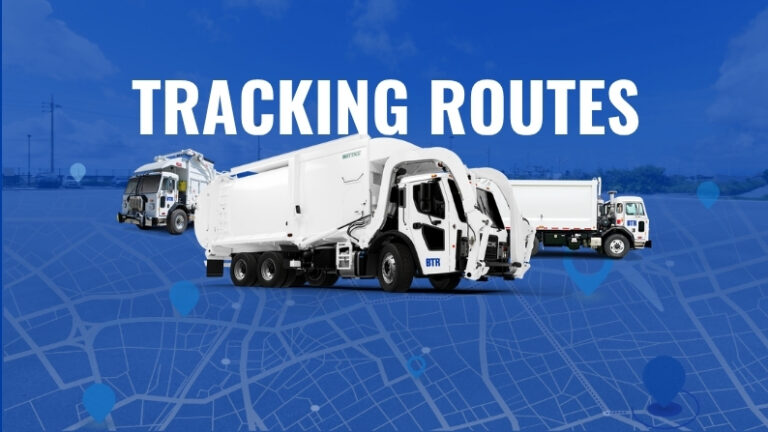
- Improve fleet visibility and route tracking: Use collection records and tracking tools to identify recurring delays. With myBTR, fleet managers can track truck locations, providing better visibility into fleet operations and supporting coordination during collection activities.
3. Staffing Shortages and Crew Availability
Municipal trash collection depends on qualified drivers and collection crews who can safely operate equipment and complete assigned routes. When sanitation departments experience staffing shortages, maintaining regular collection schedules becomes more difficult. Employee absences, vacant positions, and unexpected callouts can reduce the number of available crews, especially when several employees are unavailable at the same time.
Staffing challenges may become more noticeable during holidays, emergencies, or periods of increased collection demand. Even when sufficient garbage trucks are available, municipalities may be unable to operate them without qualified personnel. New or reassigned employees may also need additional training to become familiar with equipment, collection procedures, and assigned routes. When available crews must cover additional workloads, collection delays and unfinished routes can become more likely.
How Municipalities Can Prevent It
- Develop backup staffing plans: Prepare coverage arrangements for employee absences, unexpected vacancies, and periods of increased collection demand.
- Cross-train qualified personnel: Provide appropriate training to improve staffing flexibility while ensuring employees meet equipment operation and safety requirements.
- Align staffing with collection workloads: Review route requirements and anticipated waste volumes when assigning crews and planning schedules.
4. Insufficient Fleet Capacity During High-Demand Periods
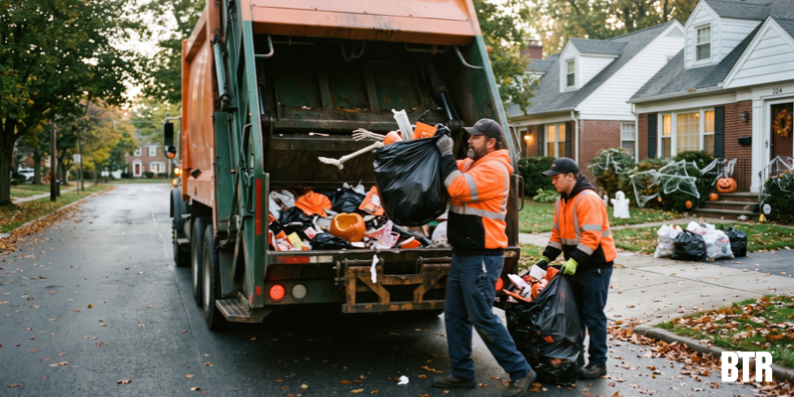
Municipal waste collection volumes can change significantly throughout the year. Holidays, seasonal yard waste programs, community events, and storm cleanup activities may increase waste volume beyond what normal collection schedules are designed to handle. These increases can place additional demands on garbage trucks and collection crews, particularly when municipalities are already operating near their available fleet capacity.
Higher waste volumes may require garbage trucks to make additional trips to transfer stations or disposal facilities. This reduces the time available to complete scheduled routes and can increase the workload of existing vehicles. During storm cleanup, municipalities may also need additional equipment to remove branches, vegetation, and other debris. When available trucks cannot handle the increased collection demand, routes may remain unfinished, leading to delayed or missed pickups. Garbage truck rentals provide a flexible option for increasing fleet capacity during these periods without purchasing additional vehicles for temporary needs.
How Municipalities Can Prevent It
- Anticipate seasonal increases in waste volume: Review historical collection data to identify holidays, seasonal programs, and events that regularly require additional collection capacity.
- Plan additional resources for peak periods: Adjust collection schedules and allocate sufficient personnel and equipment before demand increases.
- Use short-term truck rentals: Add capacity to existing fleets through short-term garbage truck rentals (1–6 months) during temporary shortages, seasonal demand, and storm cleanup operations to help maintain scheduled collection services.
5. Blocked Streets and Inaccessible Collection Points
Not all missed trash pickups result from fleet or staffing problems. In some cases, garbage trucks cannot safely reach scheduled collection locations. Parked vehicles, road construction, narrow streets, temporary road closures, and construction equipment can obstruct access to residential or commercial waste containers. These conditions may force collection crews to bypass certain locations until access becomes available.
Improperly positioned containers can create additional challenges, especially for garbage trucks equipped with automated lifting systems that require sufficient operating clearance. Severe weather can also make collection routes inaccessible or unsafe. Flooding, snow, ice, fallen trees, and other storm-related hazards may prevent collection vehicles from reaching scheduled stops. When access restrictions occur, crews may need to document the affected areas and arrange collection after conditions improve.
How Municipalities Can Prevent It
- Coordinate road access with public works departments: Stay informed about construction schedules, temporary closures, and other activities that may affect collection routes.
- Communicate container placement requirements: Provide residents with clear instructions about where to position bins and how much clearance collection vehicles need.
- Establish procedures for inaccessible locations: Document missed stops caused by access restrictions and arrange follow-up collection when roads and collection points become safely accessible.
6. Incorrect Waste Placement and Collection Rule Violations
Municipal waste collection programs typically establish rules governing collection times, container placement, accepted materials, and waste quantities. When residents do not follow these requirements, their waste may not be collected during the scheduled pickup. One common example is placing containers at the curb after the collection truck has already passed. Overfilled bins, improperly positioned containers, and waste left outside designated collection areas may also fail to meet local service requirements.
Certain waste materials may require special handling or separate collection programs. Depending on municipal regulations, collection crews may leave behind prohibited materials, contaminated recycling, and improperly prepared bulky items. Although these situations may be reported as missed pickups, they differ from operational service disruptions because collection workers may have reached the location but could not collect the materials under established guidelines. Clear waste preparation instructions help residents understand their responsibilities and reduce preventable collection issues.
How Municipalities Can Prevent It
- Provide clear collection guidelines: Publish accurate collection schedules, container placement requirements, and lists of accepted materials.
- Educate residents about collection restrictions: Explain local rules for overflowing containers, bulky waste, prohibited materials, and special collection services.
- Use collection notices or tags: Inform residents why certain materials were not collected and explain what they need to correct before the next pickup.
7. Poor Communication and Delayed Response to Service Disruptions
Communication plays an important role in maintaining reliable municipal trash collection. When collection schedules change unexpectedly, or service delays are not announced promptly, residents may assume their trash was missed. Holiday schedule changes, weather-related disruptions, and temporary route adjustments can create confusion when updated collection information is not readily available. Even a truck running behind schedule may generate complaints if residents are unaware of the delay.
Internal communication is equally important. Incomplete collection records and poor coordination among dispatchers, collection crews, and customer service teams can make it difficult to determine which routes are complete and which locations require follow-up service. Without accurate information, municipal departments may struggle to investigate missed pickup reports or prioritize return visits. These communication gaps can delay resolution and increase the workload associated with resident complaints.
How Municipalities Can Prevent It
- Provide timely service announcements: Inform residents about holiday schedules, weather-related delays, temporary route changes, and other service disruptions.
- Track collection progress and missed pickups: Maintain accurate records of completed routes, resident complaints, and locations requiring additional service.
- Establish clear response procedures: Create a consistent process for investigating missed collection reports, coordinating between departments, and arranging return visits when appropriate.
How Garbage Truck Rentals Help Municipalities Manage Collection Disruptions
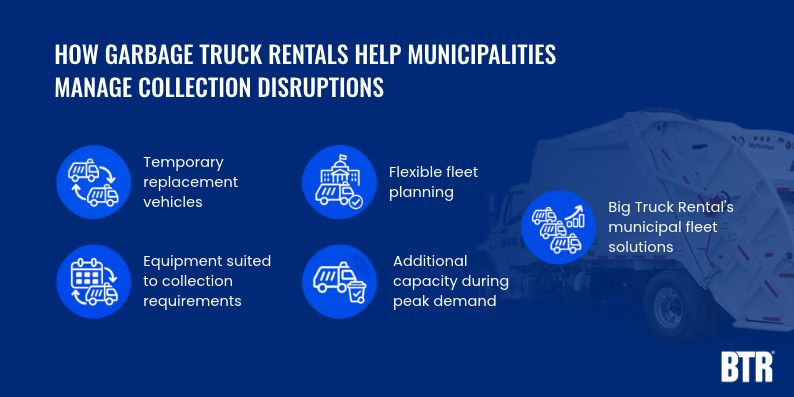
Even with effective planning and preventive maintenance, municipalities may encounter unexpected challenges that affect collection capacity. Equipment breakdowns, seasonal increases in waste volume, aging vehicles, and changing service requirements can create temporary gaps in available resources.
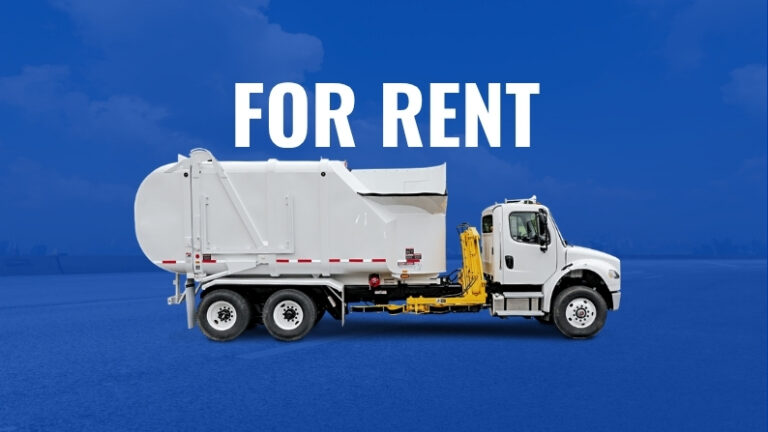
Garbage truck rentals provide municipalities with additional fleet flexibility, allowing sanitation departments to respond to equipment shortages and changing collection demands without immediately purchasing additional vehicles.
Temporary Replacement Vehicles
When municipal garbage trucks require repairs or maintenance, rental vehicles can provide temporary replacement capacity. Access to suitable equipment allows municipalities to supplement their available fleet while owned vehicles are out of service.
This can be particularly useful for municipalities managing aging garbage trucks or extended maintenance periods. Rather than relying entirely on the remaining vehicles, departments can arrange additional trucks to support scheduled collection routes.
Additional Capacity During Peak Demand
Holidays, seasonal waste collection programs, community events, and storm cleanup operations can increase the number of trucks required to complete collection schedules.
Short-term rentals allow municipalities to add vehicles during high-demand periods and adjust capacity when collection volumes return to normal. This approach can help sanitation departments handle temporary workloads without purchasing equipment that may not be needed throughout the year.
Flexible Fleet Planning
Municipal fleet requirements can change over time. Some departments may need replacement vehicles for several weeks, while others require additional equipment for months or longer due to aging fleets, service expansion, or procurement timelines.
Flexible truck rental options can adjust fleet capacity to meet these needs. This flexibility can help municipalities maintain access to collection vehicles while managing equipment budgets and longer-term fleet decisions.
Equipment Suited to Collection Requirements
Different municipal collection programs require different types of garbage trucks. Rear loaders, side loaders, and front loaders are designed for specific waste collection applications and container systems.
When choosing rental equipment, municipalities should consider the types of waste collected, collection routes, container compatibility, truck capacity, and operational requirements. Selecting suitable equipment helps ensure that rental vehicles can support existing collection activities.
Big Truck Rental’s Municipal Fleet Solutions
BTR’s municipal fleet solutions provide cities and towns with flexible options for managing equipment shortages, changing collection volumes, and aging fleets.
Whether a municipality needs a short-term replacement vehicle, additional equipment during seasonal demand, or a longer-term fleet solution, BTR offers rental programs designed to support different operational requirements.
By maintaining access to appropriate collection vehicles, municipal fleet managers can respond more effectively to unexpected disruptions and plan for changing waste collection needs.
Final Thoughts
Missed trash pickups can result from several operational challenges, including vehicle breakdowns, staffing shortages, route delays, and unexpected increases in waste. Access problems, incorrect waste placement, and communication gaps can also affect collection schedules.
Municipalities can reduce disruptions through preventive maintenance, better route planning, clear resident guidelines, and effective fleet management. When existing equipment cannot meet operational needs, garbage truck rentals can provide additional support and help maintain collection services.
Keep Municipal Trash Collection on Schedule
Big Truck Rental provides municipal garbage truck rental solutions to help sanitation departments manage fleet shortages, equipment downtime, seasonal demand, and unexpected collection requirements.
Whether your municipality needs a short-term replacement truck or a longer-term fleet solution, BTR can help you explore equipment options that match your collection routes and operational needs. Contact us today!

FAQs
What are the common causes of missed trash pickups?
Common causes include garbage truck breakdowns, inefficient collection routes, staffing shortages, severe weather, inaccessible collection points, and improperly prepared waste. Aging fleets and unexpected increases in waste volume can also contribute to service interruptions.
What happens when a garbage truck breaks down during collection?
When a garbage truck breaks down, its assigned route may be delayed or left unfinished until another vehicle becomes available. Municipalities may reassign an existing truck, arrange a replacement vehicle, or reschedule collection depending on their available resources.
How can municipalities prevent missed garbage collections?
Municipalities can reduce missed pickups through preventive maintenance, route optimization, backup staffing plans, clear resident communication, and fleet contingency planning. Short-term garbage truck rentals can also help maintain collection capacity during equipment downtime or temporary increases in waste volume.
Can severe weather cause municipal trash collection delays?
Yes. Flooding, snow, ice, severe storms, and fallen trees can create unsafe road conditions or prevent collection vehicles from accessing scheduled stops. Municipalities may delay collection or adjust schedules until crews can safely reach affected locations.
Can municipalities rent garbage trucks during equipment shortages?
Yes. Municipalities can rent garbage trucks short-term to supplement their existing fleets during mechanical repairs, scheduled maintenance, seasonal collection increases, or unexpected equipment shortages. Rental vehicles provide additional collection capacity without requiring an immediate purchase.