Key Takeaways
- Hazardous and bulk waste require different collection, transportation, and disposal methods.
- Municipalities should establish clear collection procedures and communicate requirements to residents.
- The right equipment helps crews manage large items and changing collection volumes.
- Employee training, proper planning, and regulatory compliance are essential for safe waste operations.
- Rental trucks can provide additional fleet capacity during seasonal demand, storm cleanup, and equipment downtime.
Municipal waste programs handle more than everyday household garbage. Communities also generate hazardous materials and bulky items that require different collection methods, specialized handling, or separate disposal arrangements.
These waste streams present different challenges. Hazardous materials may pose health and environmental risks if handled incorrectly, while bulk waste can be difficult to collect because of its size, weight, and volume. Both require careful planning to protect collection crews, residents, and the surrounding environment.
Effective hazardous waste management starts with identifying the materials involved and understanding the applicable rules. Municipalities must also plan transportation, arrange appropriate disposal or processing, and make sure their collection equipment can handle the work.
Understanding Hazardous and Bulk Waste
Before choosing collection methods or equipment, municipalities need to understand what each waste stream includes and how to manage it.
What Is Hazardous Waste?
Hazardous waste includes materials that may pose risks to human health or the environment because of their chemical properties or other characteristics. Under applicable regulations, these may include ignitable, corrosive, reactive, or toxic materials.
Examples can include certain paints, solvents, pesticides, batteries, and household or commercial chemicals. However, not every product in these categories automatically qualifies as regulated hazardous waste. Its classification depends on the material, its condition, its source, and the rules that apply.
Municipalities should identify the requirements for each waste stream before accepting or collecting it. Some materials may need special containers, separate collection events, approved transport arrangements, or delivery to designated facilities.
What Is Bulk Waste?
Bulk waste consists of large or oversized items that regular curbside collection programs may not accept. Common examples include furniture, mattresses, large appliances, and other household items that do not fit in standard collection containers.
Some materials can be collected through scheduled curbside pickups, while others require drop-off programs or specialized services. Appliances containing refrigerants, electronics, and hazardous components may also require separate handling.
Clear collection rules help residents understand what is accepted, how to prepare items and when they can be placed out for pickup.
Why These Waste Streams Require Different Strategies
Hazardous and bulk waste should not be handled like ordinary household garbage.
Hazardous materials may require specific handling procedures, compatible containers, trained personnel, and approved disposal or treatment facilities. Bulk waste, on the other hand, often requires equipment that can safely lift, carry, or transport large and heavy items.
A well-planned municipal waste management program accounts for these differences. Separating waste streams helps municipalities select suitable collection methods, reduce safety risks, and avoid sending materials to facilities that cannot accept them.
Key Challenges Municipalities Face
Municipalities must balance public service demands with safety, staffing, equipment availability, and disposal requirements. Several challenges can affect how well specialized waste programs operate.
Safe Collection and Handling
Collection crews may encounter leaking containers, unidentified chemicals, damaged batteries, or other materials that require special attention. Bulky items can also create lifting hazards, obstruct access, or shift during loading and transportation.
Municipalities need clear procedures for identifying materials that cannot be collected through standard routes. Crews should know when to stop work, isolate an item, and notify a supervisor or the appropriate hazardous materials team.
Transportation Requirements
The vehicle and transportation method must suit the material being moved. Regulated hazardous materials may require specific packaging, marking, labeling, documentation, and transportation.
Bulk items create different challenges. Large appliances and furniture may require suitable loading equipment, securement methods, and vehicles with enough capacity for the planned collection.
Municipalities should confirm transportation requirements and receiving facility rules before sending crews out. This helps prevent delays, rejected loads, and unsafe handling.
Changing Waste Volumes
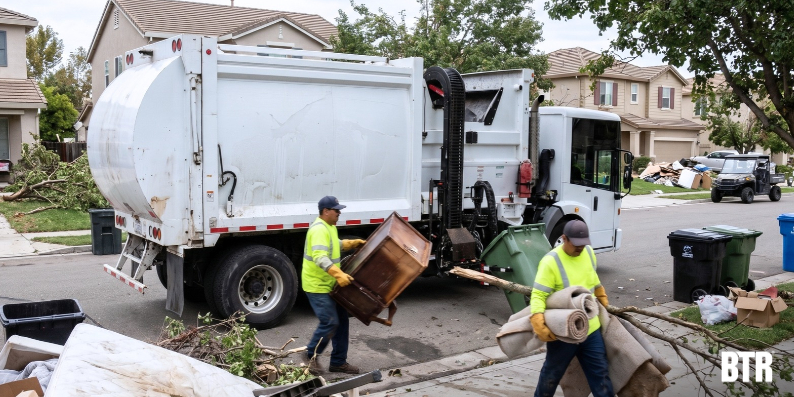
Waste volumes can rise during spring cleaning, community cleanup events, severe weather recovery, and other periods of increased activity. Storms may generate large amounts of furniture, household debris, damaged materials, and other waste that must be collected quickly.
A fleet sized for regular daily routes may struggle to handle these temporary increases. Municipalities can plan ahead for peak demand and consider seasonal garbage truck rentals when they need extra collection capacity.
Equipment and Fleet Availability
Aging trucks, unexpected breakdowns, and maintenance delays can reduce collection capacity. These problems become harder when a municipality runs a specialized program that depends on specific vehicle configurations or equipment.
Municipalities may need temporary replacement trucks or additional vehicles to maintain service. Planning ahead gives fleet managers more time to identify suitable equipment and avoid unnecessary interruptions.
Disposal and Processing Requirements
Not every facility accepts every type of waste. Hazardous materials may need to go to authorized treatment, storage, or disposal facilities, while bulk items may be suitable for recycling, material recovery, or other processing options.
Municipalities should confirm acceptance requirements before collection begins. This includes checking which materials are allowed, how they must be prepared, and whether the facility requires appointments or supporting documentation.
Municipal Strategies for Handling Hazardous and Bulk Waste
A reliable program combines clear collection rules, appropriate equipment, trained personnel, and careful planning. The following strategies can help municipalities manage these waste streams more effectively.
1. Establish Separate Collection Programs
Create separate collection procedures for hazardous materials and bulky items, such as scheduled pickups, drop-off locations, or community collection events. Clearly explain accepted materials and preparation requirements to help residents dispose of waste correctly.
2. Use Appropriate Collection Equipment
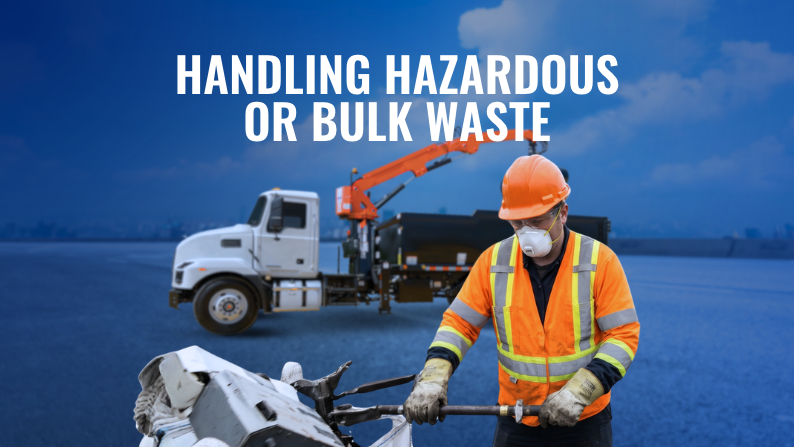
Choose vehicles and equipment based on the waste type, size, weight, and handling requirements. Bulk waste may need grapple trucks for heavy lifting or vehicles with additional cargo space, while hazardous waste may require approved containers and specialized transport arrangements.
3. Plan Transportation Carefully
Confirm receiving facility requirements before collection begins. Consider route conditions, vehicle capacity, and applicable regulations, ensuring hazardous materials are properly contained and documented and bulky items are securely loaded for transport.
4. Prepare for Temporary Volume Increases
Plan for increased waste during storms, seasonal cleanups, and community events. Identify the extra staff, vehicles, and disposal resources needed, and consider short-term rentals when existing fleet capacity cannot meet demand.
5. Train Collection Personnel
Train employees to identify potential hazards, handle materials safely, use appropriate protective equipment, and follow emergency procedures. Crews should also know how to report unexpected hazards and which items require special handling.
6. Track Waste Volumes and Fleet Needs
Monitor collection volumes, missed pickups, equipment downtime, and seasonal demand to identify service gaps. Use these insights to plan schedules, evaluate fleet replacements, and decide whether renting or purchasing additional equipment best meets municipal needs.
Managing Fleet Capacity for Specialized Waste Collection
Fleet planning plays an important role in maintaining municipal services, especially when specialized collection programs place additional demands on existing vehicles.
When Additional Equipment Is Needed
Municipalities may need extra collection capacity when:
- Launching a new bulk waste or specialized collection program.
- Managing seasonal increases in household waste.
- Responding to storms and community cleanup projects.
- Replacing aging vehicles or covering unexpected equipment downtime.
- Expanding service areas or taking on additional collection responsibilities.
- Handling temporary increases in waste volumes that exceed normal fleet capacity.
Identifying these situations early helps municipalities plan vehicle availability, staffing, and municipal operating budgets before service demand rises.
How Rental Equipment Can Support Municipal Operations
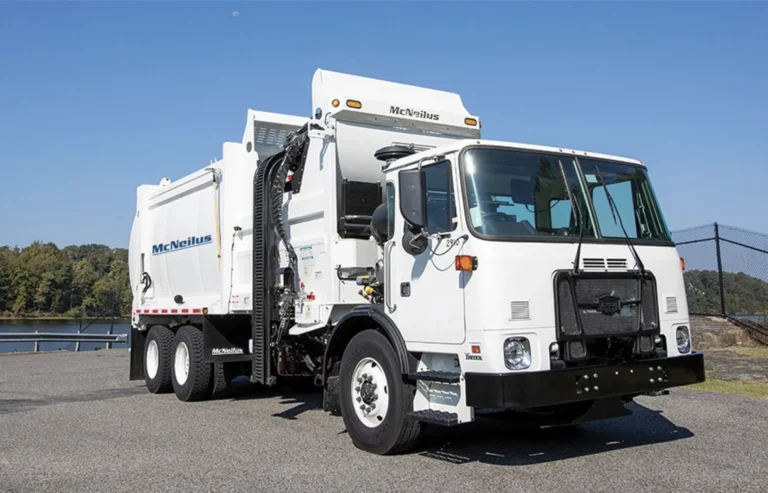
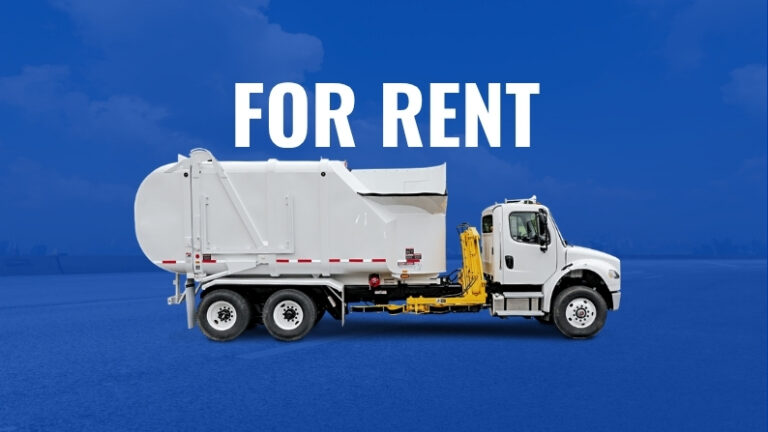
Rental trucks can give municipalities access to additional fleet capacity without requiring a permanent vehicle purchase for every temporary need. They may also help maintain service while existing trucks are being repaired or replaced.
For example, a municipality may need extra collection trucks during a community cleanup event or additional capacity while its regular fleet undergoes scheduled maintenance. A rental arrangement can provide a temporary option when the available vehicle configuration fits the work.
Rental equipment is not a substitute for specialized hazardous waste transport requirements. Municipalities must still confirm that the vehicle, containers, and handling procedures are appropriate for the materials involved.
For qualifying municipal collection and hauling needs, Big Truck Rental offers rental options that can help address temporary demand and fleet availability challenges. Municipalities can evaluate these options alongside their long-term replacement and expansion plans.
Safety and Compliance Considerations
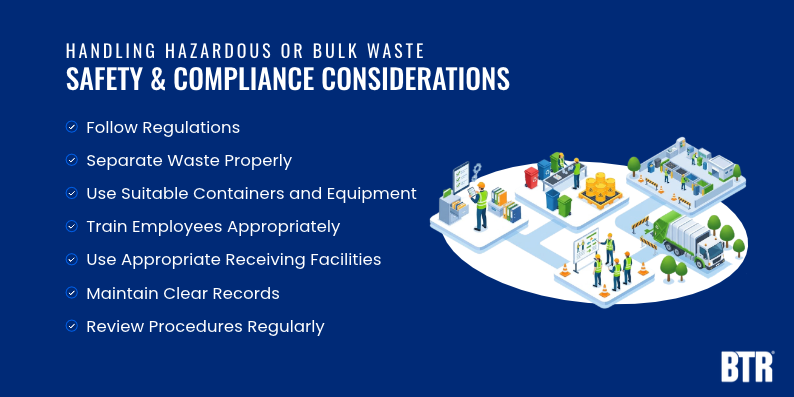
Safe waste collection requires procedures that reflect each material’s risks and the municipality’s responsibilities. Requirements vary by waste type and location, so municipalities should confirm which rules apply to each program.
Important considerations include:
- Follow applicable regulations. Review federal, state, and local requirements for identifying, collecting, storing, transporting, and disposing of hazardous waste.
- Separate waste streams when required. Keep hazardous materials apart from ordinary waste and other materials that may react with or contaminate them.
- Use suitable containers and equipment. Confirm that packaging, containment, labeling, and transport arrangements meet the requirements for the materials being handled.
- Train employees appropriately. Make sure workers understand their responsibilities, safety procedures, and how to respond to unexpected hazards.
- Use appropriate receiving facilities. Confirm that the selected facility is authorized and equipped to accept the waste.
- Maintain clear records. Keep the documentation required for collection, transportation, delivery, and disposal.
- Review procedures regularly. Update training and operating practices when regulations, equipment, or municipal programs change.
Municipalities should also establish clear escalation procedures for unidentified chemicals, leaking containers, or other potentially dangerous materials. Collection crews should not be expected to handle unknown hazards without the appropriate training and resources.
How Big Truck Rental Supports Municipal Waste Operations
Municipalities need dependable equipment to maintain collection services, respond to changing demand, and manage fleet downtime. Big Truck Rental provides garbage truck rental options that can support a range of municipal fleet needs, depending on vehicle availability and configuration.
Rental equipment may help municipalities:
- Add collection capacity during seasonal demand or community cleanup projects.
- Cover for trucks that are undergoing maintenance or awaiting replacement.
- Support temporary changes in service requirements.
- Manage short-term projects without immediately committing to a permanent fleet purchase.
- Evaluate fleet needs while planning future vehicle replacements or additions.
The right vehicle depends on the collection application, waste type, route conditions, and loading requirements. Municipalities should confirm that any rental truck suits the intended work and understand that regulated hazardous waste may require specialized transport equipment and procedures.
Final Thoughts
Hazardous and bulk waste require different approaches from standard municipal waste collection. Hazardous materials may need special handling and approved disposal arrangements, while bulky items often require additional loading capacity and suitable collection equipment.
Municipalities can improve their programs by separating waste streams, communicating collection rules, training employees, and confirming transportation and disposal requirements. Tracking waste volumes and planning for temporary increases can also help reduce service interruptions.
Support Your Municipal Waste Collection Needs
Big Truck Rental provides waste collection truck rental options to help municipalities manage bulk waste programs, seasonal demand, cleanup projects, and temporary fleet shortages.
Contact us to explore rental options that fit your collection requirements and help keep municipal waste operations running smoothly.

FAQs
What is the difference between hazardous waste and bulk waste?
Hazardous waste includes materials that may harm people or the environment, such as certain chemicals and solvents. Bulk waste includes large items like furniture, mattresses, and appliances that may require special collection methods because of their size or weight.
How can municipalities improve hazardous waste management?
Municipalities can improve hazardous waste management by setting clear collection procedures, training employees, and following applicable regulations. They should also work with approved facilities to ensure hazardous materials are handled and disposed of properly.
What equipment is used for bulk waste collection?
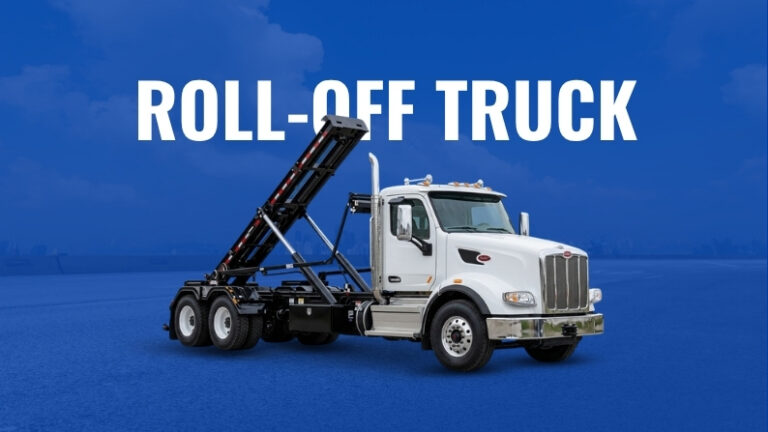
Bulk waste collection may require garbage trucks, grapple trucks, roll-off trucks, or other specialized vehicles. The right equipment depends on the items’ size and weight, the loading method, and the municipality’s collection requirements.
How can municipalities prepare for increased waste collection demand?
Municipalities can review seasonal trends, plan staffing, and arrange suitable disposal facilities before demand increases. Renting additional trucks can also help manage cleanup projects, storm recovery, and temporary fleet shortages without requiring a permanent vehicle purchase.
How can municipalities maintain safe waste collection operations?
Municipalities can promote safe collection by training crews, providing appropriate protective equipment, and separating waste streams when required. They should also follow handling and transportation rules and ensure that materials reach facilities equipped to accept them.