When Coastal Populations Rise, Waste Volume Follows
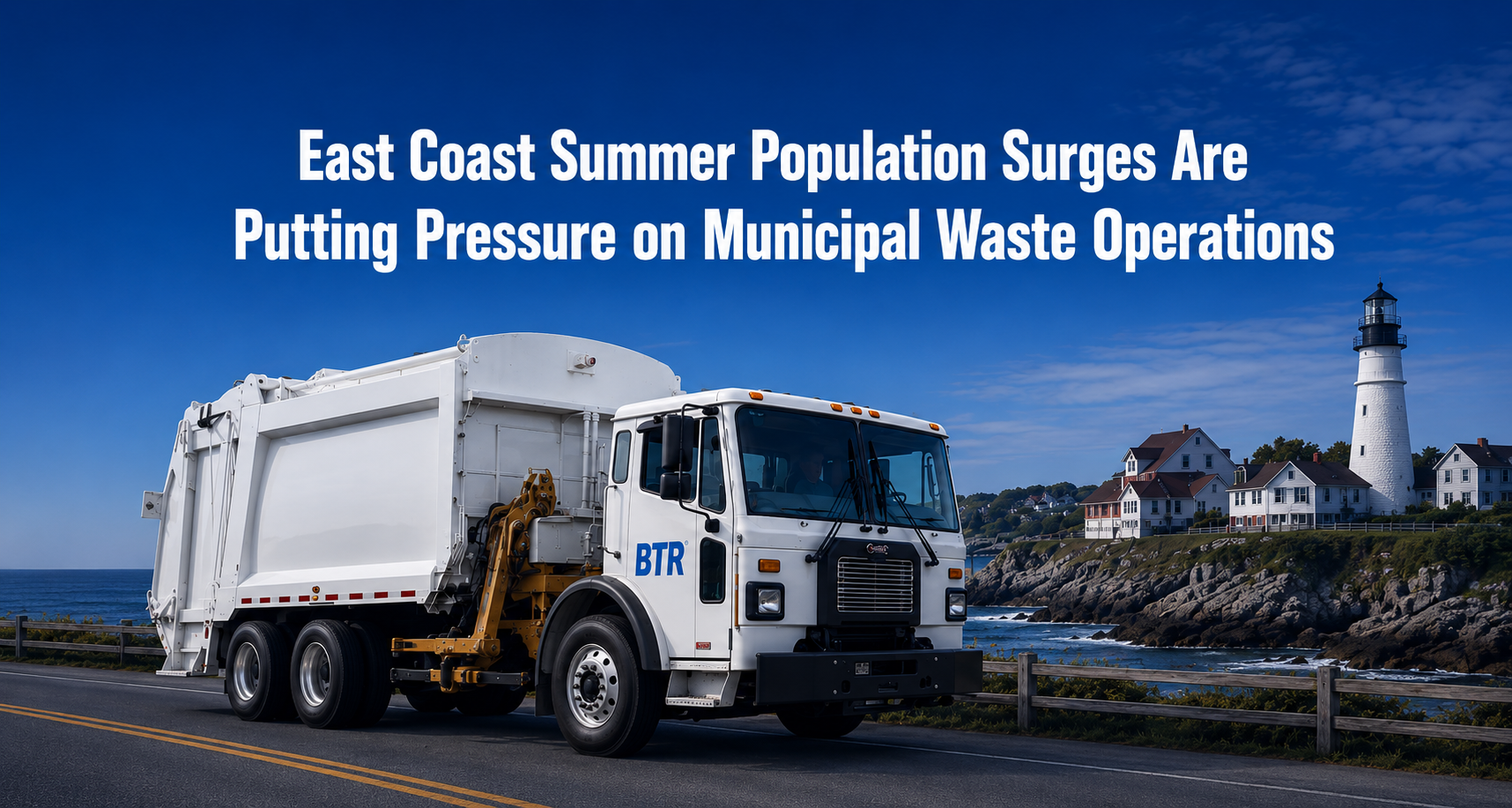
Every summer, coastal cities and towns across the Eastern United States experience a dramatic rise in population. Tourists arrive for vacations, seasonal residents return to second homes, and local infrastructure suddenly has to support thousands — and sometimes millions — of additional people.
For municipal waste departments and environmental services teams, that seasonal growth creates a major operational challenge.
More people means:
- More residential waste collection
- Higher recycling volumes
- Increased transfer station traffic
- Additional route wear and tear
- Greater strain on aging fleet assets
- Increased pressure on fleet uptime and maintenance teams
- Higher citizen service expectations during peak tourism season
In many coastal communities, summer population growth can happen almost overnight. The problem is that garbage truck procurement, fleet expansion, and maintenance planning rarely move that quickly.
That is why more municipalities are turning to flexible fleet rental programs to help bridge seasonal demand spikes without taking on large capital expenditures.
Why Summer Population Growth Creates Waste Collection Challenges
Seasonal population growth impacts far more than just beaches, hotels, and traffic congestion. It directly affects waste collection operations, route density, disposal volumes, and fleet reliability.
For municipalities, summer population growth often leads to:
1. Increased Residential Route Density
Neighborhoods that normally operate efficiently can suddenly experience major increases in set-outs, overflow material, and bulky waste.
Routes that were designed for off-season populations can quickly become overloaded during peak summer months.
2. Overflow Waste and Recycling Volumes
Tourism-heavy markets generate significant increases in:
- Household trash
- Cardboard and packaging
- Food waste
- Beach and public area waste
- Event waste
- Recycling contamination
This can place additional strain on collection schedules, transfer stations, and disposal infrastructure.
3. Increased Fleet Downtime Risk
Peak season is the worst possible time for a garbage truck to go down.
Unfortunately, increased route density and longer operating hours create additional stress on aging fleet assets.
Municipalities often face:
- Rising maintenance costs
- Overtime labor expenses
- Delayed routes
- Missed collections
- Increased citizen complaints
- Difficulty sourcing replacement trucks quickly
4. Pressure on Public Works Budgets
Many municipalities operate under strict budget cycles and capital constraints.
Purchasing additional garbage trucks for a temporary seasonal surge is often difficult to justify financially — especially when those trucks may sit underutilized during the off-season.
That is why operating expense (OpEx) fleet solutions are becoming increasingly attractive for coastal municipalities.
How BTR Helps Municipalities Prepare for Seasonal Demand Spikes
BTR helps municipalities across North America respond to changing fleet needs with municipal garbage truck rental programs designed to improve uptime, operational flexibility, and budget predictability.
Instead of waiting months or years for new truck procurement, municipalities can quickly deploy additional fleet capacity during periods of peak demand.
BTR Municipal Fleet Solutions Include:
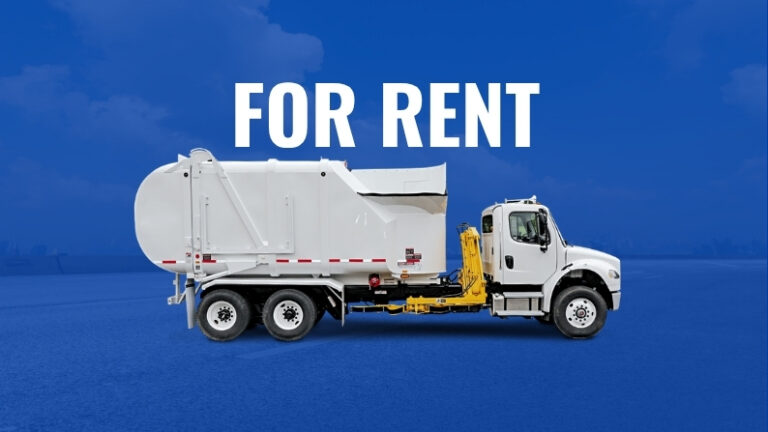
- Short-term garbage truck rentals
- Long-term fleet rentals
- Flexible rental terms
- Like-new fleet access
- National maintenance support network
- Rapid deployment capabilities
- Predictable monthly operating expense structures
- Reduced downtime risk
- Access to multiple truck configurations
Fleet Types Available for Municipal Operations
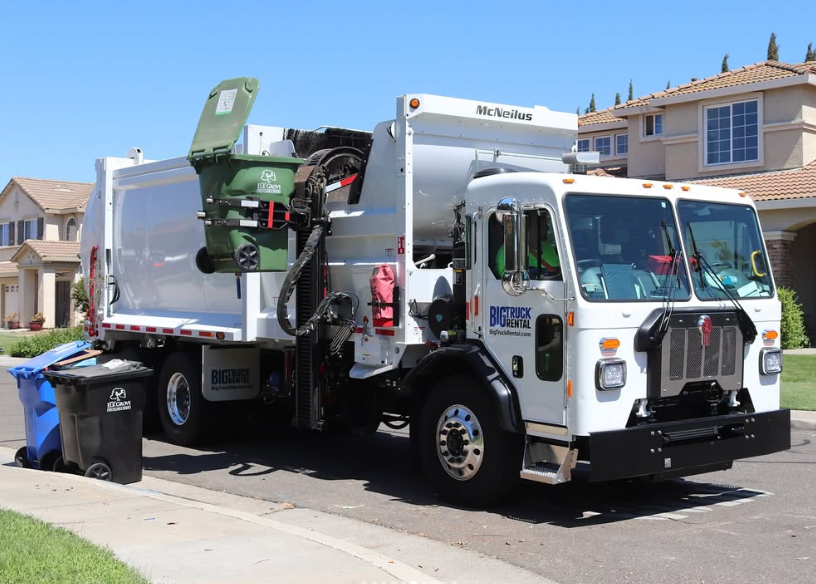
BTR supports a wide range of municipal waste and recycling operations with equipment including:
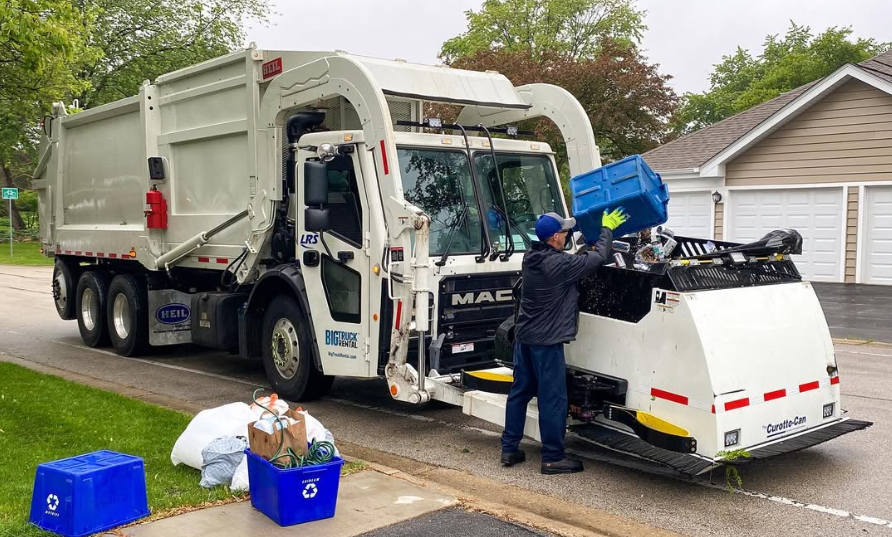
- Front Loaders
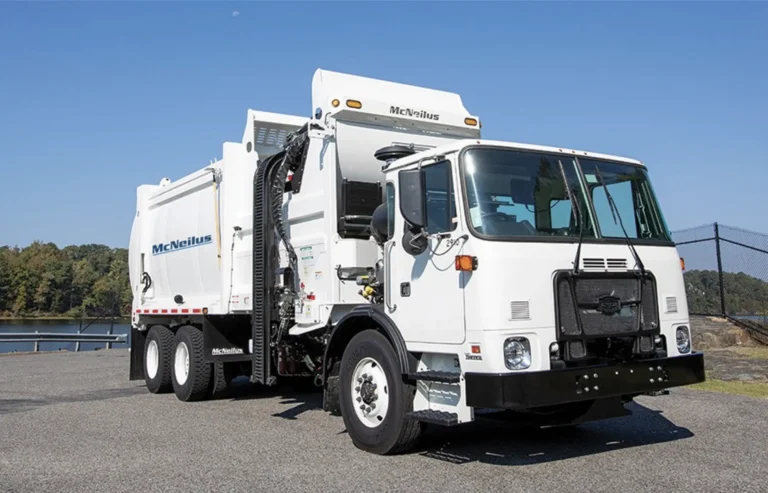
- Side Loaders
- Rear Loaders
- Grapple Trucks
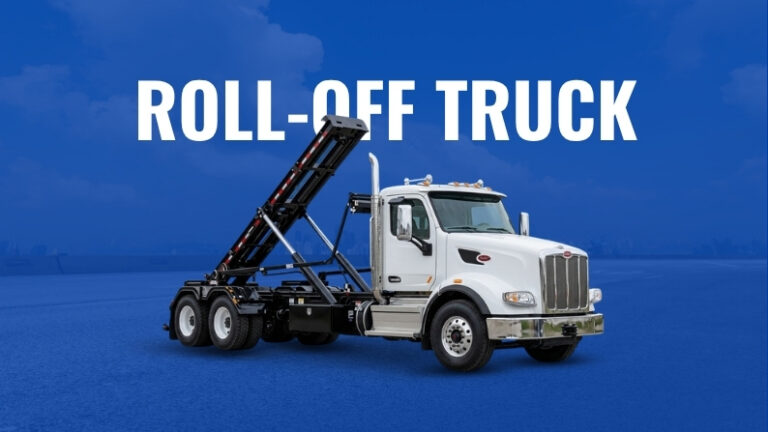
- Roll-Off Trucks
- Transfer Trailers
This flexibility allows municipalities to scale operations based on route type, population density, seasonal waste patterns, and disposal infrastructure needs.
Why Municipalities Are Evaluating Rental Programs More Closely
Municipal fleet leaders are increasingly being asked to do more with aging fleets, constrained budgets, and rising service expectations.
At the same time, coastal population growth trends continue to increase pressure on infrastructure.
Rental programs allow municipalities to:
- Add capacity without large upfront capital investment
- Reduce exposure to unexpected maintenance costs
- Improve route reliability during peak season
- Maintain citizen satisfaction during tourism surges
- Access newer equipment with improved safety and technology
- Supplement existing fleet during repairs or replacement delays
- Create operational flexibility during uncertain population fluctuations
For many municipalities, the conversation is shifting from “Should we own every truck?” to “What is the most efficient way to maintain reliable service?”
East Coast Markets Seeing Major Summer Population Surges
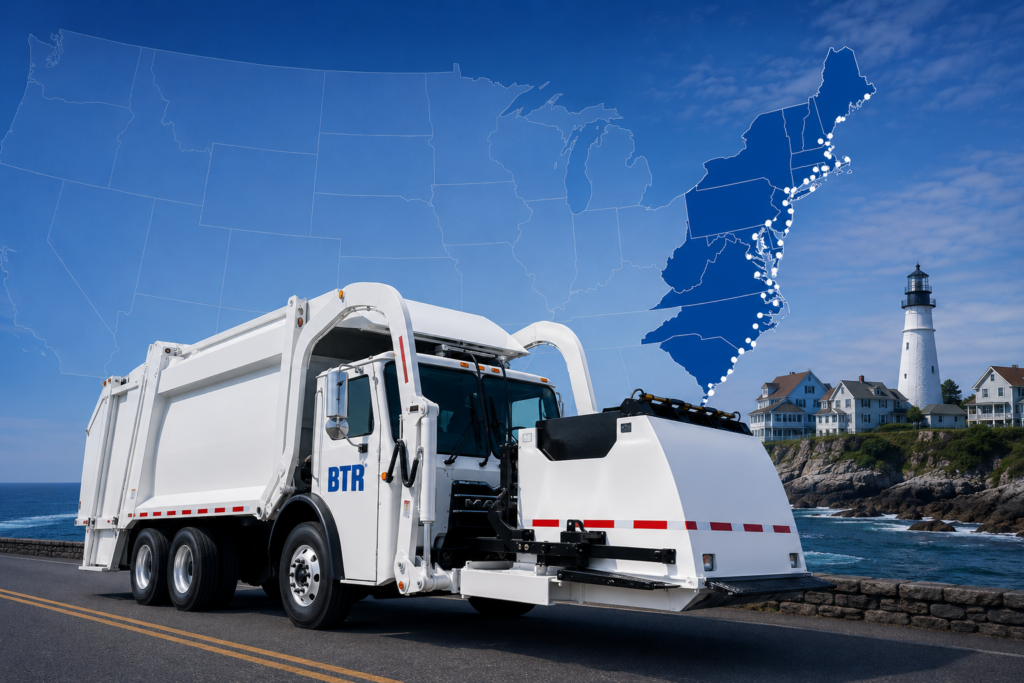
Below are many of the East Coast cities, towns, and coastal markets that regularly experience significant seasonal population increases during summer months and where municipal garbage truck rentals make the most sense.
These communities often see increased pressure on waste collection operations, transfer stations, recycling throughput, and fleet uptime.
Maine
Bar Harbor, Kennebunkport, Ogunquit, Old Orchard Beach, Wells, York, Boothbay Harbor, Camden, Rockland, Freeport, Scarborough, Cape Elizabeth, Saco, Biddeford, Belfast
New Hampshire
Hampton Beach, Portsmouth, Rye, Seabrook
Massachusetts
Cape Cod, Provincetown, Hyannis, Falmouth, Chatham, Dennis, Yarmouth, Barnstable, Nantucket, Martha’s Vineyard, Newburyport, Gloucester, Rockport, Salisbury, Plymouth
Rhode Island
Narragansett, Newport, Westerly, Block Island, South Kingstown, Middletown
Connecticut
Mystic, New London, Old Saybrook, Westport, Greenwich, Milford
New York
The Hamptons, Montauk, Long Beach, Fire Island, Jones Beach region, Southampton, East Hampton, Riverhead, Long Beach Island communities
New Jersey
Cape May, Wildwood, Ocean City, Atlantic City, Seaside Heights, Point Pleasant, Long Beach Island, Avalon, Stone Harbor, Brigantine, Belmar, Asbury Park
Delaware
Rehoboth Beach, Dewey Beach, Bethany Beach, Lewes, Fenwick Island
Maryland
Ocean City, Annapolis, Chesapeake Beach, Cambridge, St. Michaels
Virginia
Virginia Beach, Norfolk waterfront communities, Chesapeake Bay resort communities
North Carolina
Outer Banks communities, Nags Head, Kitty Hawk, Kill Devil Hills, Corolla, Duck, Wilmington, Carolina Beach, Wrightsville Beach, Emerald Isle, Morehead City, Beaufort
South Carolina
Myrtle Beach, North Myrtle Beach, Hilton Head Island, Charleston beach communities, Isle of Palms, Folly Beach, Kiawah Island, Beaufort
Georgia
Tybee Island, Savannah coastal communities, St. Simons Island, Jekyll Island
Florida
The Operational Impact of Tourism and Seasonal Residents
Many coastal municipalities are not only managing population growth from tourists. They are also dealing with:
- Seasonal homeowners
- Short-term rental growth
- Large event weekends
- Cruise traffic
- Vacation rental turnover waste
- Expanded recycling contamination
- Additional public space maintenance demands
These variables create unpredictable waste volumes that can fluctuate significantly week-to-week.
As a result, fleet flexibility becomes increasingly important.
Rental Flexibility Can Help Municipalities Avoid Service Disruptions
Missed routes and downtime become far more visible during tourism season.
Residents, businesses, visitors, and local leaders all expect reliable service — regardless of seasonal population fluctuations.
By supplementing existing fleets with rental equipment, municipalities can:
- Maintain service continuity
- Reduce overtime pressure on operators and technicians
- Support temporary route expansion
- Improve contingency planning
- Minimize disruptions caused by aging fleet assets
Keep transfer station operations moving efficiently
For many municipalities, rental programs are becoming an important part of broader fleet modernization strategies.
BTR Supports Municipalities Across North America
BTR partners with municipalities across the United States and Canada to provide flexible fleet solutions that help maintain reliable waste and recycling operations.
Through programs like Complete Fleet, short-term rentals, long-term rentals, and Rent-to-Purchase solutions, municipalities can adapt to changing operational needs without sacrificing uptime or service reliability.
Whether a city is preparing for summer tourism season, replacing aging trucks, supporting route growth, or managing emergency fleet disruptions, BTR helps provide operational flexibility through municipal garbage truck rentals when it matters most.
Final Thoughts
Summer population growth along the East Coast is not slowing down. Municipal garbage truck rentals are more important than ever.
As tourism, seasonal housing, and coastal migration trends continue to rise, municipalities will likely face increasing pressure on waste collection operations and fleet performance.
The challenge is no longer simply collecting more waste. It is maintaining reliable service during periods of rapid population fluctuation while balancing budgets, uptime, maintenance, and citizen expectations.
Flexible fleet programs can help municipalities scale operations efficiently without committing to unnecessary long-term capital investments.
For coastal communities preparing for another busy summer season, operational flexibility may become one of the most important tools in maintaining reliable public services.
Frequently Asked Questions
1. Why do coastal municipalities experience higher waste volumes during summer?
Coastal cities and towns often experience large increases in tourism, seasonal residents, and short-term rental occupancy during summer months. More people generate more residential trash, recycling, bulky waste, and public area waste, which increases pressure on municipal waste collection operations.
2. How can garbage truck rental programs help municipalities during peak season?
Rental programs allow municipalities to quickly add fleet capacity without purchasing additional trucks outright. This helps cities respond to seasonal demand spikes, improve route reliability, reduce downtime risk, and maintain service levels during tourism season.
3. What types of garbage trucks are commonly used for seasonal demand increases?
Municipalities often use rear loaders, side loaders, front loaders, roll-off trucks, grapple trucks, and transfer trailers to support increased summer waste volumes and transfer station operations.
4. What are the benefits of renting versus purchasing garbage trucks?
Renting allows municipalities to avoid large upfront capital expenses while gaining access to newer equipment, predictable monthly costs, maintenance support, and operational flexibility.
5. How quickly can municipalities deploy rental fleet support?
Deployment timelines vary based on fleet availability and market conditions, but rental programs are generally much faster than traditional truck procurement timelines, making them valuable for seasonal demand planning and emergency operational support.