KEY TAKEAWAYS:
- Terminal tractor rentals can help replace yard equipment that is temporarily out of service.
- Rental equipment can add capacity during seasonal peaks, new contracts, and unexpected increases in trailer volume.
- Maintaining trailer movement can help prevent delays from spreading across busy distribution centers, ports, and industrial yards.
- The right terminal tractor rental should match the facility, yard activity, equipment requirements, and rental duration.
- Flexible rentals can provide temporary support while fleets plan for longer-term equipment needs.
Yard downtime can quickly disrupt trailer movement, loading and unloading, and the flow of goods through a busy facility. When a terminal tractor is unavailable, even a short interruption can cause delays as trailers wait to move between docks, staging areas, and other parts of the yard.
A terminal tractor rental lets you replace an unavailable unit or add capacity when yard activity increases. This guide explains how terminal tractor rentals can reduce yard downtime, when rental equipment can provide coverage, and what to consider when choosing equipment for your operation.
How Yard Downtime Affects Operations
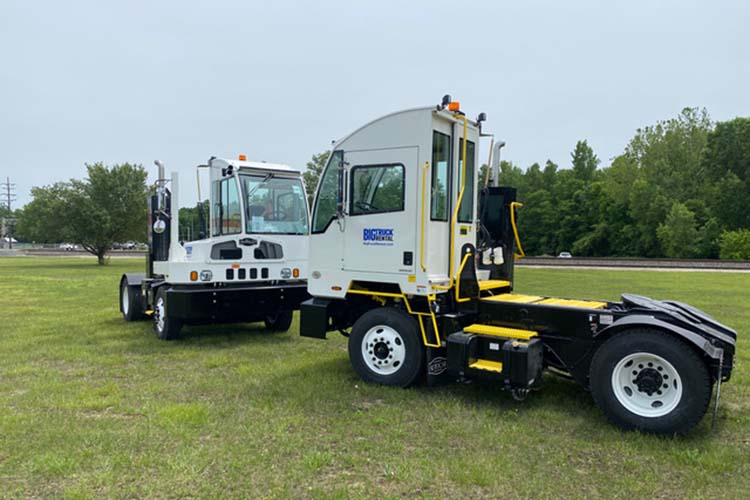
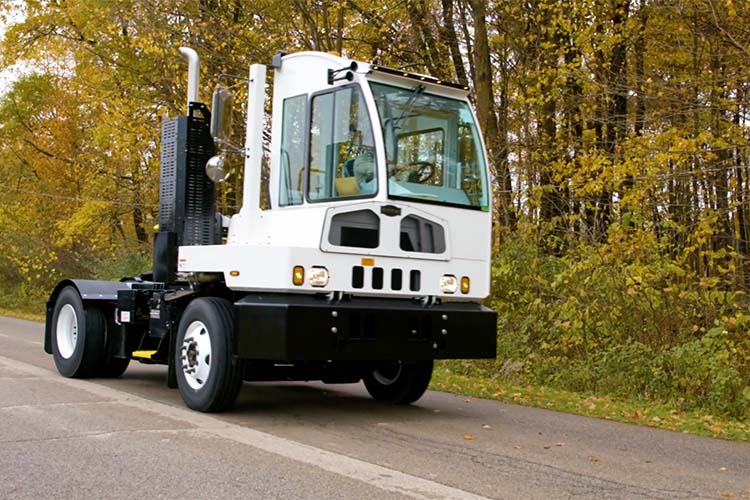
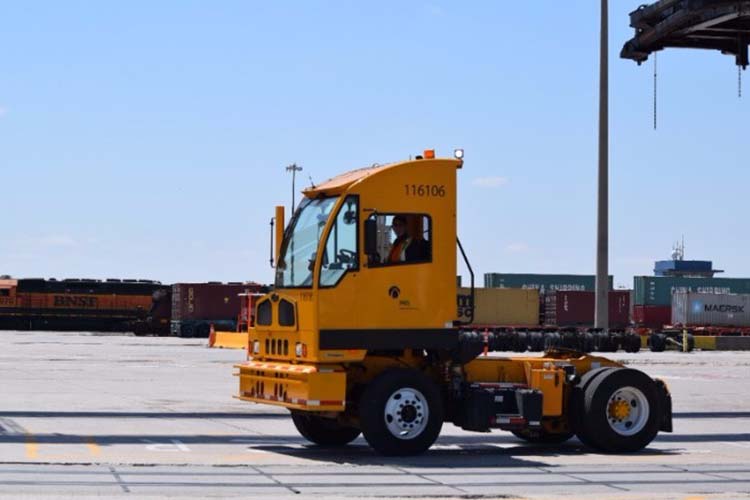
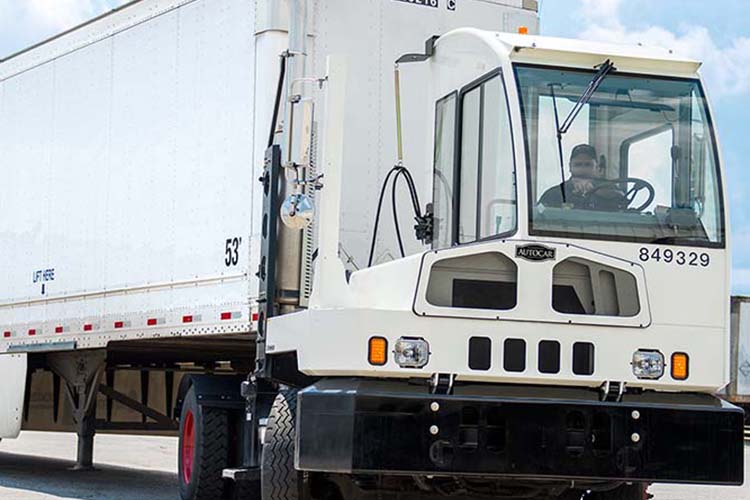
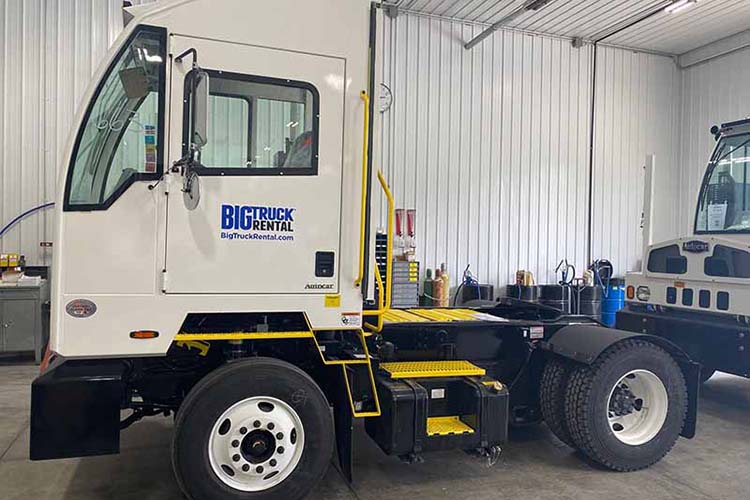
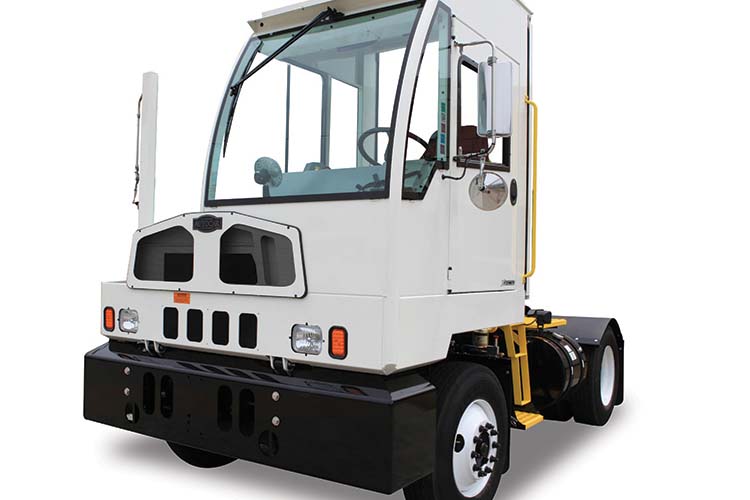
Terminal tractors, also called yard trucks or spotter trucks, move trailers between key areas of a facility. When one is unavailable, the impact can extend beyond the equipment itself.
Delays Trailer Movement
An unavailable yard truck can slow trailer movement between loading docks, staging areas, parking areas, and other parts of a facility. In a busy yard, these delays can create a backlog as trailers wait for an available tractor. The longer the interruption continues, the harder it becomes to maintain the planned flow of trailers.
Disrupts Loading and Unloading
Trailer movement is closely connected to warehouse and dock activity. A trailer may need to be positioned at a specific dock before loading or unloading can begin. When a yard truck is unavailable, employees and equipment may have to wait while trailers are repositioned. This can disrupt schedules and delay other parts of the operation.
Reduces Equipment Availability
A terminal tractor that is down for maintenance or repairs removes an important piece of equipment from service. If the yard has limited tractor capacity to begin with, losing one unit can place additional demands on the remaining equipment. This can become more noticeable during periods of high trailer volume.
Creates Operational Bottlenecks
Yard congestion can increase when trailers cannot be moved as planned. Trailers may remain in staging areas longer, docks may wait for equipment, and available yard trucks may have to cover more movements. These bottlenecks can affect the flow of goods through distribution centers, ports, warehouses, and industrial facilities. Keeping adequate equipment available can also support better yard productivity when trailer activity is high.
How Terminal Tractor Rentals Help Reduce Yard Downtime
A rental terminal tractor can provide additional equipment when a fleet needs temporary support. The specific benefit depends on why the equipment is needed and how quickly the operation needs additional capacity.
Replace Equipment That Is Temporarily Out of Service
A terminal tractor for rent can provide temporary replacement capacity when an existing unit is being repaired or serviced. Instead of leaving the yard short one tractor while repairs are completed, an operation can use rental equipment to continue moving trailers. Once the primary unit returns to service, you can return the rental if you no longer need the extra capacity.
Add Capacity During Busy Periods
Trailer volumes can increase during seasonal peaks, new contracts, promotions, facility changes, or other periods of higher activity. A rental lets you add yard equipment without permanently expanding your fleet for a temporary demand increase. This gives fleet managers another way to respond to changing workload requirements.
Get Equipment Without Waiting for a New Purchase
Buying a new terminal tractor involves equipment selection, ordering, delivery, and other steps that may not align with immediate operational needs. Renting gives you access to equipment without requiring an operation to make a permanent purchase first. This can help when you need additional capacity sooner or when you’re still evaluating long-term equipment needs.
Maintain Trailer Movement
Terminal tractors handle frequent trailer movements throughout the yard. These movements include positioning trailers at docks, moving them to staging areas, and repositioning equipment as needed. Maintaining adequate tractor availability can help keep these movements on schedule. This can also reduce the chance that a delay in one area creates additional delays elsewhere in the facility.
Provide Flexible Fleet Support
Not every equipment need requires a permanent fleet addition. A business may need another tractor for a few months, during a specific project, or while determining whether long-term capacity should increase. Rental equipment can provide temporary coverage during these periods. This lets fleet managers meet immediate needs while continuing to evaluate longer-term fleet requirements.
Situations Where Terminal Tractor Rentals Can Prevent Downtime
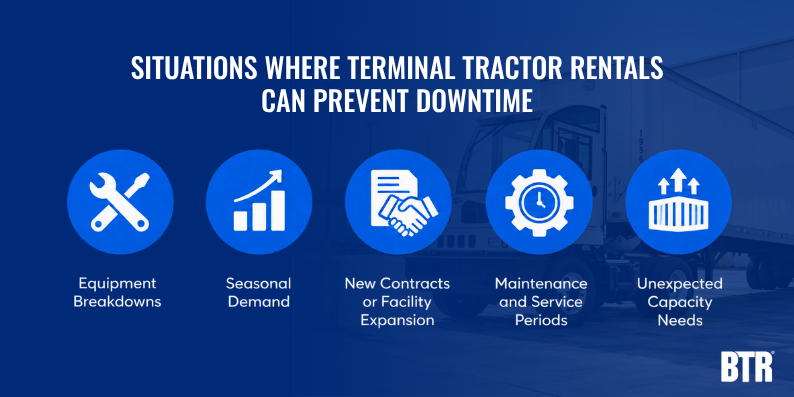
Different operational situations can create a need for additional yard equipment. Rental tractors can provide temporary capacity in several common scenarios.
Equipment Breakdowns
Unexpected equipment failures can leave a yard without an available tractor. A rental terminal tractor can provide replacement equipment while the down unit is being diagnosed and repaired. This helps maintain trailer movement without requiring the fleet to purchase another tractor for a temporary problem.
Seasonal Demand
Some operations experience predictable increases in trailer volume during certain times of the year. A yard truck rental can provide additional capacity during these periods without requiring the company to maintain a larger permanent fleet throughout the rest of the year.
New Contracts or Facility Expansion
Taking on a new customer, opening another facility, or expanding an existing operation can increase the number of trailers that need moving. Rental equipment can provide additional yard capacity while the operation determines its long-term equipment requirements. It can also help support the transition period before permanent equipment becomes available.
Maintenance and Service Periods
Scheduled maintenance can temporarily remove a terminal tractor from service even without an unexpected breakdown. Using rental equipment during these service periods can help maintain normal yard activity. Once the scheduled work is complete, you may no longer need the rental unit.
Unexpected Capacity Needs
Trailer volumes do not always increase according to plan. A sudden change in customer activity, shipping schedules, or facility requirements can create a need for additional yard equipment. A rental gives fleet managers another option for responding to these changes without immediately committing to a permanent equipment purchase.
How to Choose the Right Terminal Tractor Rental
The right rental depends on the facility, workload, operating environment, and length of the equipment need. Terminal tractor specifications should also match the facility’s trailers, workload, and operating requirements.
Consider the following factors:
- Yard activity: Determine how many trailers need to be moved and how frequently those movements occur.
- Operating environment: Consider whether the tractor will operate in a distribution center, warehouse, port, manufacturing facility, or another yard environment.
- Maneuverability: Tight yards and busy dock areas may require equipment that can move and position trailers efficiently in limited spaces.
- Equipment configuration: Match the terminal tractor to the trailers, workload, and operating requirements of the facility.
- Rental duration: Consider whether the equipment is needed because of a breakdown, scheduled maintenance, seasonal demand, a new contract, or a longer-term capacity requirement.
- Support requirements: Consider delivery, maintenance support, replacement coverage, and other services that may be included with the rental program.
A clear understanding of the operational need can help determine the appropriate rental period and equipment requirements.
Why Terminal Tractors Are Built for Yard Operations
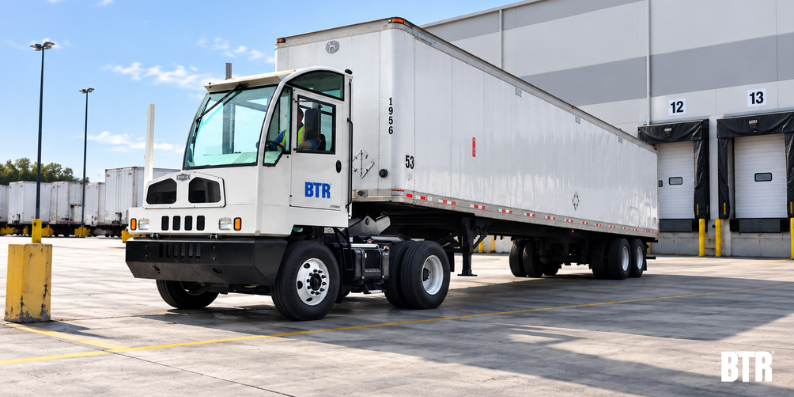
Terminal tractors are purpose-built for frequent trailer movement within controlled or private operating environments. Their configuration differs from conventional highway tractors because they are intended for repeated short-distance movements rather than long-distance road transportation.
Purpose-Built for Short-Distance Trailer Movement
A terminal tractor is designed to move trailers within yards, distribution centers, ports, warehouses, and industrial facilities. Operators can use these vehicles for frequent spotting and repositioning tasks that would be inefficient with equipment intended primarily for highway travel. Terminal tractor uses vary by facility and yard operation.
Maneuverability in Busy Yards
Yards often have limited space around docks, trailers, staging areas, and other equipment. Terminal tractors are configured to operate in these environments and make frequent trailer movements. This can make them useful for facilities where trailers need to be repositioned throughout the day.
Frequent Trailer Movements
Terminal tractors are built for repeated short-distance trailer movement. A single unit may move numerous trailers throughout a shift depending on the facility and workload. Keeping enough tractors available helps facilities maintain the trailer flow required for daily operations.
How Big Truck Rental Supports Yard Operations
Big Truck Rental provides terminal tractor rentals for businesses that need additional or replacement yard equipment.
Our yard truck rental solutions can help distribution centers, ports, warehouses, and industrial operations maintain trailer movement during equipment downtime, seasonal demand, scheduled maintenance, and other temporary capacity needs.
BTR terminal tractors are DOT-compliant and built for yard applications. Rental programs can also include flexible terms, nationwide delivery, dedicated support, replacement assurance, and warranty coverage, depending on the equipment and rental arrangement.
Final Thoughts
Yard downtime can affect trailer movement and create delays across a busy facility. When a terminal tractor is unavailable, the resulting equipment shortage can affect docks, staging areas, warehouse activity, and goods movement.
Terminal tractor rentals provide a flexible way to replace unavailable equipment or add temporary capacity. They can support operations during breakdowns, maintenance periods, seasonal demand, new contracts, facility expansions, and unexpected changes in trailer volume.
Keep Your Yard Operations Moving
Big Truck Rental provides terminal tractor rentals to help distribution centers, ports, warehouses, and industrial operations maintain trailer movement when equipment needs change.
Whether you need a replacement unit during repairs or additional capacity for a temporary increase in yard activity, our flexible rental solutions can help support your operation.
Contact Big Truck Rental to explore terminal tractor rental options for your yard.
FAQs
What is a terminal tractor?
A terminal tractor is a specialized vehicle used to move trailers over short distances within yards, distribution centers, ports, warehouses, and industrial facilities. It is also commonly called a yard truck, spotter truck, or shunt truck.
How can a terminal tractor rental reduce yard downtime?
A rental can provide replacement equipment when an existing terminal tractor is down for repairs or maintenance. It can also add temporary capacity when trailer volumes increase and the existing fleet cannot handle the workload.
When should I consider a yard truck rental?
A yard truck rental may be useful during equipment breakdowns, scheduled maintenance, seasonal peaks, new contracts, facility expansions, or unexpected increases in trailer activity. The appropriate rental period depends on the specific operational need.
Are terminal tractors used on public roads?
Terminal tractors are primarily built for moving trailers within private yards and controlled facilities. Their intended use and any road operation should be evaluated based on the vehicle’s configuration and applicable requirements.
What should I consider when renting a terminal tractor?
Consider your yard layout, trailer volume, frequency of trailer movements, operating environment, equipment configuration, and rental duration. You should also evaluate available support, delivery, maintenance, and replacement coverage when comparing rental options.