Key Takeaways:
- Transfer trailers move large volumes of waste and bulky materials over long distances.
- Their high-capacity design can help reduce the number of hauling trips required.
- Proper loading, payload management, and truck compatibility are essential for heavy loads.
- Transfer trailers are commonly used for municipal waste, construction debris, landscaping materials, and recyclables.
- Rental options can provide additional hauling capacity for changing or temporary operational needs.
Moving large volumes of waste or bulky materials over long distances can require more hauling capacity than a standard collection vehicle can provide. Multiple trips between collection areas, transfer stations, disposal facilities, or processing sites can add travel time and increase the demands placed on drivers and equipment.
Transfer trailers provide a high-capacity option for long-distance transportation. Their design allows operators to move substantial quantities of material in fewer trips, making them useful for municipal waste, construction debris, landscaping materials, recyclables, and other suitable loads. This guide explains how transfer trailers handle heavy loads, what materials they can transport, and what operators should consider when using them for long-haul waste transportation.
How Transfer Trailers Handle Heavy Loads
Transfer trailers are built around a simple goal: move large amounts of material efficiently from one location to another. Their capacity, construction, loading process, and compatibility with heavy-duty trucks all affect how effectively they perform this job.
High-Capacity Design
One of the main advantages of a transfer trailer is its ability to accommodate large volumes of material. The additional capacity allows operators to consolidate more material into each trip rather than relying on several smaller loads.
Durable Construction
Transfer trailers are used in demanding hauling environments where equipment may be loaded and unloaded repeatedly. A durable trailer structure helps support the transportation of heavy or bulky materials over long distances.
Efficient Transfer and Loading
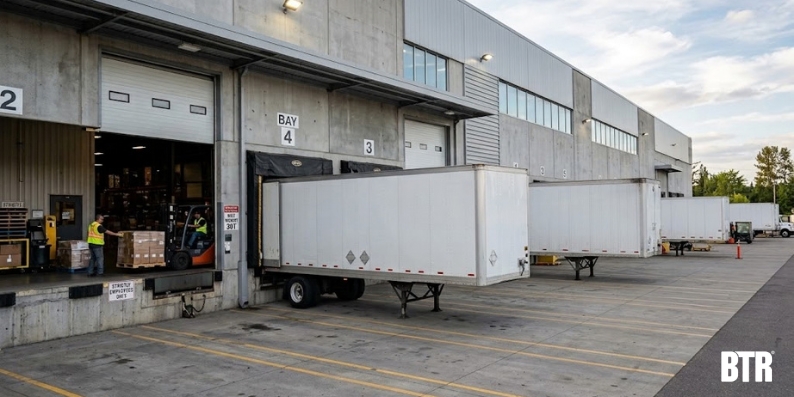
Transfer trailers use a detachable transfer box or trailer body that can be loaded before transportation. This allows material to be consolidated at a collection or transfer point before the loaded trailer is moved to its destination.
Compatibility With Heavy-Duty Trucks
A transfer trailer must be paired with an appropriate heavy-duty truck or tractor-trailer combination. The towing vehicle needs to be suitable for the trailer configuration, expected load, route, and operating conditions.
Why Transfer Trailers Are Effective for Long-Haul Transportation
Long-distance hauling creates different challenges than short collection routes. The more time and distance involved, the more valuable it can be to maximize the amount of material moved during each trip.
Move More Material Per Trip
High-capacity transfer trailers allow operators to transport substantial amounts of material in a single trip. This can reduce the number of trips needed when compared with using smaller-capacity equipment.
For operations that regularly transport large quantities of waste or other materials, increasing the amount moved per trip can help improve overall hauling productivity.
Reduce Unnecessary Hauling Trips
Long-distance transportation can require significant time on the road. If disposal or processing facilities are located far from collection areas, repeated trips can add considerable travel time to an operation.
By consolidating material into higher-capacity loads, transfer trailers can help reduce the number of trips required to transport a given volume. This can be especially useful for long-haul waste transportation between collection or transfer locations and distant disposal or processing facilities.
Make Better Use of Driver and Equipment Time
Every hauling trip requires driver time, vehicle time, fuel, and road travel. Moving larger loads per trip can help operations make better use of those resources.
This can be particularly relevant for fleets that consistently move high volumes over long routes. A high-capacity trailer gives the operation another way to keep equipment productive while transporting substantial quantities of material.
Support High-Volume Waste Operations
Transfer trailers are well suited to operations that regularly move significant quantities of material. Common applications include municipal waste, construction debris, industrial materials, landscaping materials, and recyclables when the appropriate equipment and handling processes are available.
For these operations, waste transfer trailers can provide additional capacity between collection activities and final disposal, recycling, or processing.
Materials Commonly Transported With Transfer Trailers
The material a transfer trailer can carry depends on its configuration, payload limits, and operating requirements. Common applications may include:
- Municipal and solid waste
- Construction and demolition debris
- Landscaping materials
- Recyclable materials
- Asphalt and other suitable heavy or bulky materials
Not every transfer trailer is appropriate for every material. Operators should verify that the trailer configuration, payload capacity, loading system, and applicable requirements are suitable for the intended load.
Factors to Consider When Handling Heavy Loads
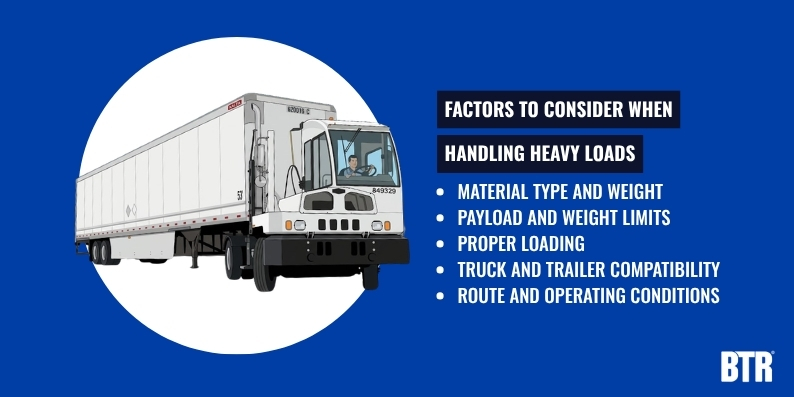
Moving heavy materials safely requires more than selecting a high-capacity trailer. The material, payload, loading process, towing vehicle, and route all need to be considered together.
Material Type and Weight
Different materials have different densities and handling requirements. A trailer may reach its legal or rated weight limit before it is physically full, particularly when transporting dense materials.
Payload and Weight Limits
Operators need to account for the trailer’s rated capacity as well as applicable transportation weight limits. The legal weight of a loaded combination can depend on factors such as vehicle configuration, axle weights, road restrictions, and jurisdiction.
Proper Loading
How material is placed inside the trailer can affect the stability and handling of the loaded combination. Operators should distribute material appropriately rather than concentrating excessive weight in one area.
Truck and Trailer Compatibility
The transfer trailer and towing vehicle should be matched based on the expected load and operating conditions. Consider factors such as the trailer’s configuration, loaded weight, truck capacity, axle configuration, route, and terrain.
Route and Operating Conditions
Long-haul routes can involve highways, local roads, steep grades, traffic, weather changes, and varying road conditions. These factors can affect how the truck and trailer perform throughout the trip.
When Is a Transfer Trailer a Good Choice?
A transfer trailer may be a practical option for operations that regularly need to move large quantities of material over longer distances.
Common applications include:
- Long-distance waste transportation
- High-volume hauling operations
- Transportation routes where disposal or processing facilities are far from collection areas
- Municipal waste transportation
- Construction and demolition material hauling
- Industrial material transportation
- Landscaping material hauling
- Recycling and material recovery operations where appropriate
- Operations that need high-capacity equipment for ongoing or changing hauling requirements
The right equipment depends on the material being transported, expected volume, route, payload requirements, and towing vehicle.
How Big Truck Rental Supports Long-Haul Waste Transportation
Big Truck Rental provides transfer trailers for high-capacity waste and material transportation. Our equipment can support operations that need to move large volumes of material over longer distances.
Transfer trailers can be used for applications involving municipal waste, construction debris, landscaping materials, recyclables, and other suitable heavy or bulky materials. The appropriate equipment depends on the application, material, payload requirements, and operating conditions.
Flexible truck rental programs can also give operators access to additional equipment when hauling requirements change. This can be useful for fleets that need more capacity for a specific project, temporary demand, or changing operational requirements without making an immediate permanent purchase.
Final Thoughts
Transfer trailers are built to support high-volume, long-distance transportation of waste and other heavy or bulky materials. Their high-capacity design can help operators move more material per trip and reduce unnecessary hauling trips when collection or disposal facilities are separated by significant distances.
Safe and efficient operation depends on selecting equipment that matches the material, payload, towing vehicle, and route. Proper loading and weight management are also essential when handling heavy loads.
Keep Your Long-Haul Operations Moving
Big Truck Rental provides transfer trailers that help waste and environmental operations handle high-volume transportation and demanding long-haul applications. Flexible rental solutions can give fleets additional capacity when they need to support changing hauling requirements without committing to an immediate permanent purchase.
Talk to us to explore transfer trailer options and find the right equipment for your hauling operation.
FAQs
What is a transfer trailer?
A transfer trailer is a high-capacity trailer used to transport large quantities of waste or other suitable materials, often over longer distances. It can help consolidate material for transportation between collection or transfer points and disposal, recycling, or processing facilities.
What are transfer trailers used for?
Transfer trailers are commonly used for municipal waste, construction debris, landscaping materials, recyclables, and other suitable heavy or bulky materials. The specific application depends on the trailer configuration, payload limits, and material being transported.
How do transfer trailers handle heavy loads?
Transfer trailers are built to accommodate large quantities of material and are pulled by suitable heavy-duty trucks. Proper equipment selection, payload management, weight distribution, and loading procedures are necessary when transporting heavy loads.
Why are transfer trailers useful for long-haul waste transportation?
Their high capacity allows operators to move larger amounts of material per trip. This can reduce the number of trips required when disposal or processing facilities are located far from collection areas.
Can transfer trailers be rented?
Yes, rental options can provide access to transfer trailers when a fleet needs additional hauling capacity without making an immediate permanent purchase. Rental needs can vary based on the length of the project, material being transported, and operational requirements.