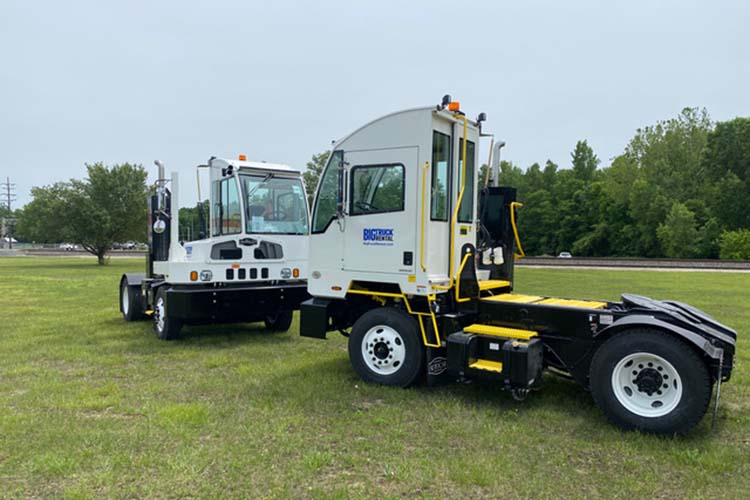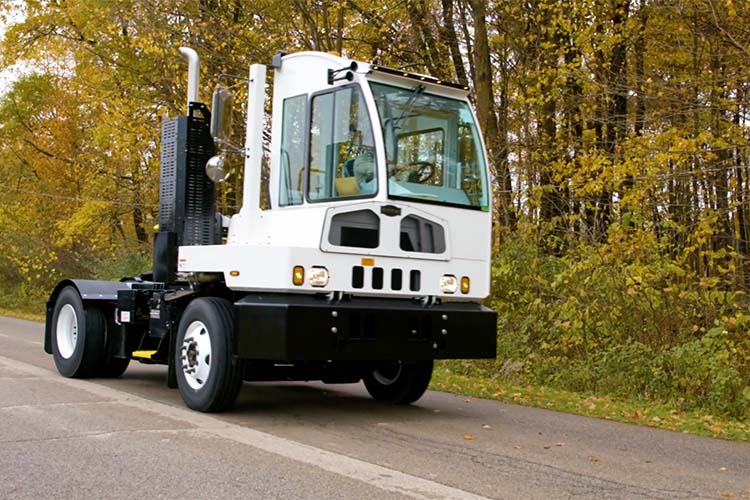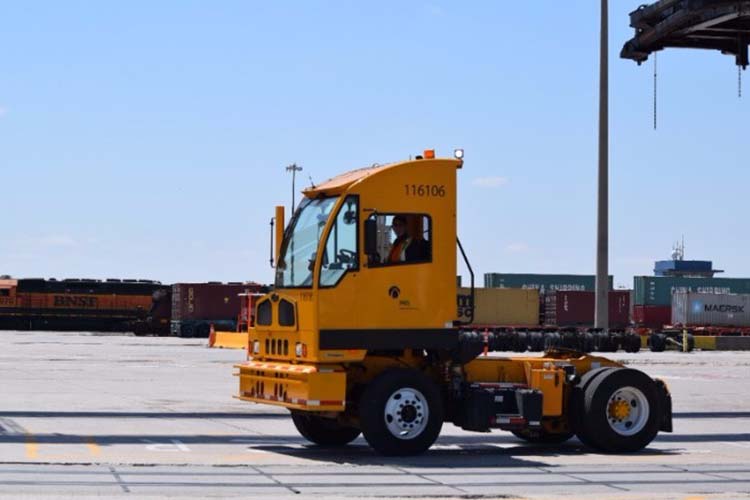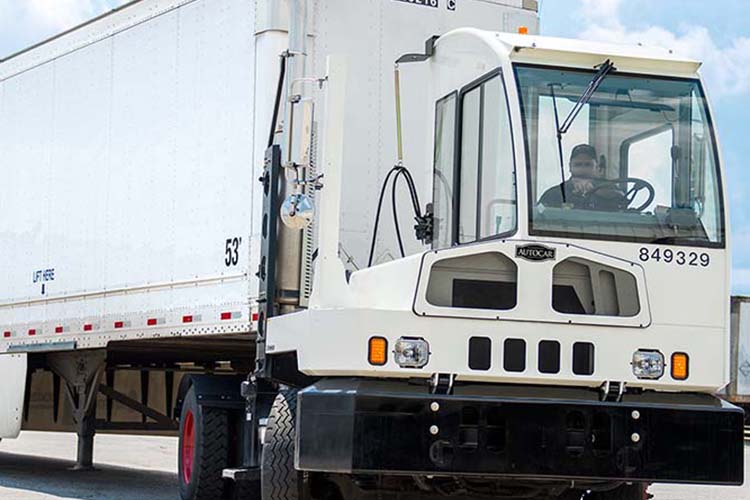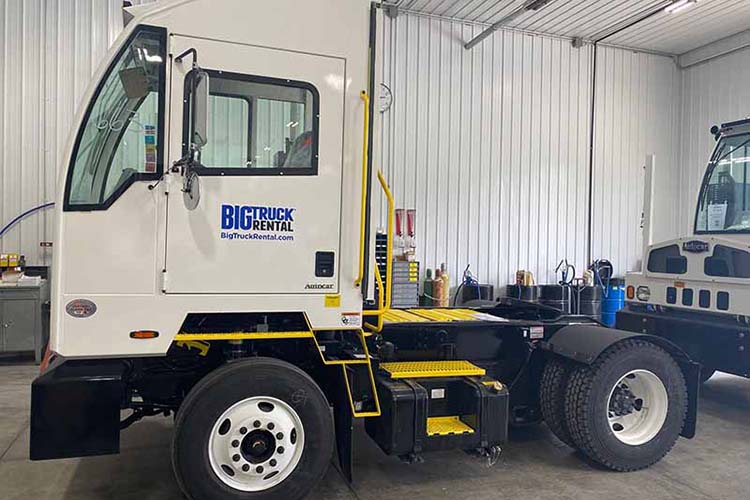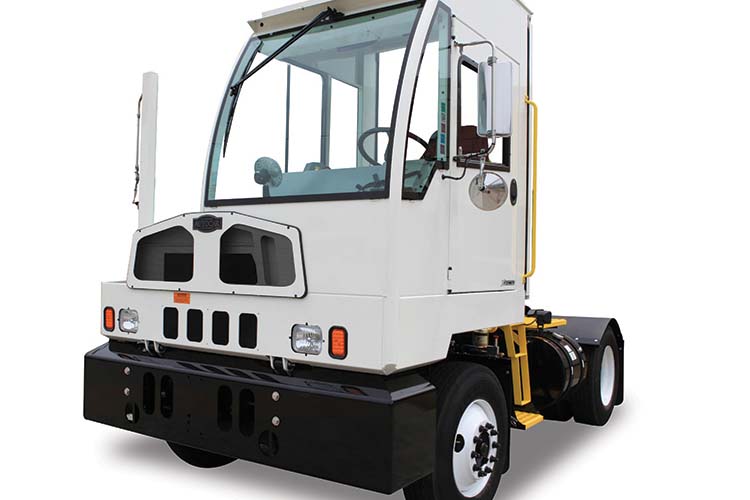
Renting a terminal tractor can be a practical way to keep freight moving without the cost and lead time of purchasing new equipment. Whether you’re supporting a busy distribution center, expanding yard operations, or replacing a truck that’s temporarily out of service, the right rental can help maintain productivity while giving your fleet more flexibility.
This terminal tractor rental guide explains what to consider before renting, from choosing the right specifications to understanding rental terms and preparing your operation for day-to-day use.
When Should You Rent a Terminal Tractor?
Renting a terminal tractor can be a practical solution for businesses that need additional equipment without committing to a large capital purchase. It also provides flexibility when operational demands change or equipment becomes unavailable.
A terminal tractor rental may be the right choice if you need to:
- Support seasonal increases in freight volume
- Expand yard operations or distribution capacity
- Replace a truck that is out of service
- Cover temporary contracts or facility expansions
- Bridge long OEM lead times for new equipment
- Preserve capital for other business investments
Many businesses also use rentals to evaluate equipment before deciding whether to purchase an off-rent truck. If you’re still exploring what a terminal tractor is, understanding its role in yard operations can help you determine whether renting is the right fit for your fleet.
Step 1: Evaluate Your Operational Requirements
Before selecting a terminal tractor rental, consider how the equipment will be used each day. Understanding your workload helps ensure you choose a truck that matches your operation, rather than paying for capabilities you may not need.
Important questions to ask include:
- Will the truck operate at a warehouse, port, rail yard, or manufacturing facility?
- How many trailer moves are completed during each shift?
- What types of trailers will be handled?
- Will the truck operate primarily on paved surfaces or uneven terrain?
- Will it run continuously throughout the day or only during peak periods?
If your operation involves both public roads and private facilities, understanding the differences between on-road and off-road terminal tractors can help you choose the right configuration. Answering these questions helps narrow your options and ensures the equipment supports your daily operations.
Step 2: Review the Most Important Terminal Tractor Specifications
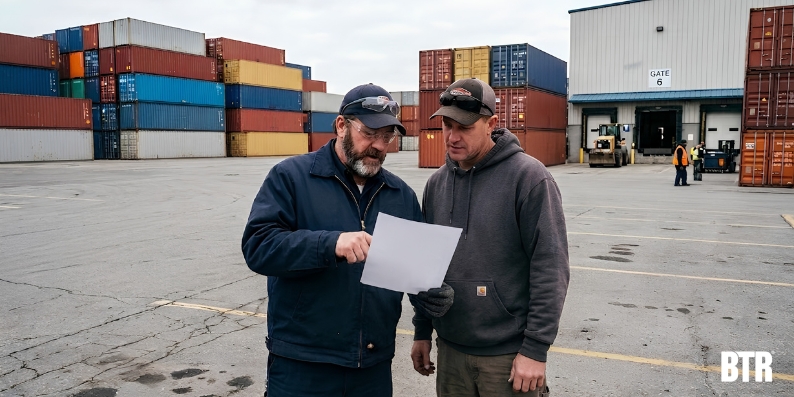
Not every terminal tractor is configured the same way. Reviewing key specifications before renting can help you choose equipment that performs efficiently while supporting your workload.
Horsepower
Horsepower affects how efficiently a terminal tractor moves loaded trailers. Operations handling heavier trailers or frequent trailer movements often benefit from higher horsepower, while lighter-duty applications may not require as much engine output.
Fifth-Wheel Capacity
The fifth wheel connects the tractor to the trailer and must be capable of supporting your expected trailer weights. Choosing the appropriate capacity helps improve safety and allows the truck to perform reliably throughout the rental period. It’s also helpful to understand terminal tractor weight capacity when matching equipment to your daily workload.
Axle Configuration
Terminal tractors are available in different drivetrain configurations, including 4×2 and 6×4 models. Operations that encounter steep grades, loose surfaces, or off-road conditions often require additional traction, while paved distribution yards may perform well with a standard configuration.
Tire Selection
Tire choice should match the operating environment. Facilities with paved surfaces, gravel yards, or mixed terrain may require different tire types to maximize traction, stability, and durability.
Fuel Capacity
Fuel tank size affects how long a terminal tractor can operate before refueling. Larger tanks may be beneficial for multi-shift operations or facilities with continuous trailer movement.
Cab Design and Visibility
Operators frequently enter and exit terminal tractors throughout the day. Comfortable seating, ergonomic controls, wide visibility, and easy cab access can improve productivity while reducing operator fatigue.
Step 3: Consider Safety and Productivity Features
Modern terminal tractors often include features that help improve both operator safety and overall yard efficiency. While not every fleet requires the same options, these technologies can make day-to-day operations more productive.
Look for features such as:
- Backup cameras
- LED work lighting
- Large mirrors for improved visibility
- Collision mitigation systems
- Electronic stability control
- Air ride seating
- Telematics and fleet tracking
- Driver monitoring technologies
Choosing equipment with the right features can help reduce downtime while supporting safer yard operations.
Step 4: Understand the Rental Agreement
Before renting, review the rental agreement carefully so you understand what is included. Rental programs vary across providers, and knowing the details up front helps avoid surprises.
Important topics to discuss include:
- Available rental terms
- Equipment availability
- Delivery and pickup options
- Maintenance responsibilities
- Repair support
- Replacement equipment if a truck becomes unavailable
- Rent-to-purchase opportunities
Understanding these details helps ensure the rental aligns with your operational needs and budget.
Step 5: Prepare Your Operators
Even experienced commercial drivers should become familiar with the specific terminal tractor they will be operating. Proper preparation helps improve safety and allows operators to work more efficiently from the first day of the rental.
Before putting the truck into service:
- Review all controls and operating procedures.
- Complete a pre-trip inspection before each shift.
- Verify visibility around the vehicle.
- Confirm drivers understand site-specific traffic patterns.
- Follow company safety procedures and manufacturer recommendations.
Operators who are unfamiliar with the equipment should also review how to operate a terminal tractor before beginning daily yard operations. A well-prepared operator is one of the most important factors in maintaining safe and efficient yard operations.
Why Many Businesses Choose Terminal Tractor Rentals
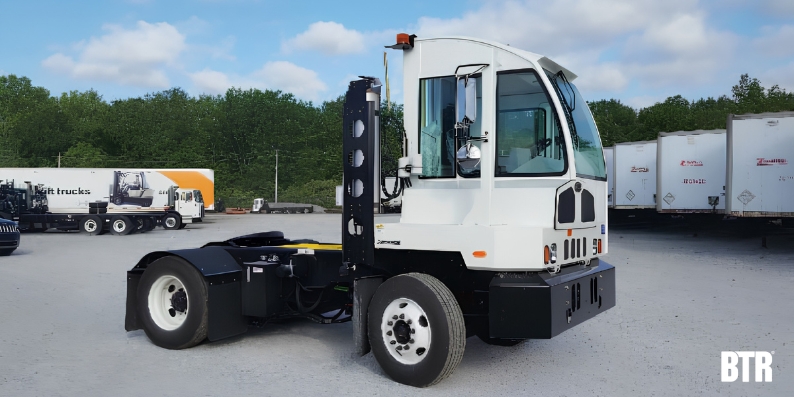
Purchasing a terminal tractor may be the right long-term investment for some fleets, but rental offers flexibility that ownership cannot always provide. For many businesses, renting allows them to respond quickly to changing operational demands while reducing financial risk.
Some of the biggest advantages of renting include:
- Lower upfront costs than purchasing new equipment
- Immediate access to late-model terminal tractors
- Flexible short-term and long-term rental options
- Faster deployment than waiting for factory orders
- Support during truck-down situations
- Greater flexibility for seasonal or temporary operations
- Opportunity to transition into ownership through rent-to-purchase programs
For growing businesses, rentals can also help preserve capital for expansion projects, facility improvements, or other strategic investments.
How Big Truck Rental Supports Terminal Tractor Operations
Big Truck Rental provides terminal tractor rental solutions that help businesses keep freight moving across warehouses, distribution centers, ports, and manufacturing facilities. With flexible rental programs, operators can quickly add equipment during periods of growth, replace trucks that are temporarily out of service, or support seasonal increases in demand.
Whether you need a short-term rental, long-term fleet support, or a rent-to-purchase option, Big Truck Rental offers dependable equipment backed by responsive service to help minimize downtime and keep yard operations running efficiently.
Common Mistakes to Avoid When Renting a Terminal Tractor
Renting a terminal tractor is straightforward, but overlooking a few key details can lead to higher costs or equipment that doesn’t fit your operation. Taking time to evaluate your needs before signing a rental agreement can help you avoid unnecessary disruptions.
Some of the most common mistakes include:
- Choosing a tractor without considering trailer weights or daily workload
- Renting for too short or too long a period
- Overlooking fifth-wheel capacity and drivetrain configuration
- Not asking about maintenance support or replacement equipment
- Failing to confirm delivery timelines before operations begin
- Skipping operator familiarization with the truck’s controls and features
Planning ahead helps ensure the rental supports your operation from day one.
Final Thoughts
Choosing the right terminal tractor rental starts with understanding how your operation works. Matching the right truck, specifications, and rental terms to your workload helps improve productivity while giving your business greater flexibility. Whether you need additional equipment for a temporary project or ongoing fleet support, the right rental solution can help keep trailers moving efficiently without the financial commitment of purchasing new equipment.
Find the Right Terminal Tractor Rental for Your Operation
Big Truck Rental provides dependable terminal tractors for warehouses, ports, manufacturing facilities, and distribution centers across North America. Whether you need short-term coverage, long-term fleet support, or a rent-to-purchase solution, our team can help you find equipment that fits your operational needs.
Contact us today to explore terminal tractor rental options and keep your yard operations moving efficiently.
FAQs
What is a terminal tractor used for?
A terminal tractor is used to move semi-trailers within distribution centers, warehouses, ports, manufacturing facilities, and freight yards. It is designed for short-distance trailer movement rather than over-the-road transportation.
How long can I rent a terminal tractor?
Rental periods vary by provider. Many companies offer short-term rentals for temporary needs, long-term rentals for ongoing operations, and rent-to-purchase options for businesses planning to own equipment in the future.
What should I look for when renting a terminal tractor?
Consider factors such as horsepower, fifth-wheel capacity, drivetrain configuration, fuel capacity, cab comfort, safety features, maintenance support, and rental flexibility to ensure the equipment fits your operation.
Are terminal tractors available for both on-road and off-road applications?
Most terminal tractors are designed for off-road or yard use within private facilities. However, some models are built to meet on-road requirements for specific applications. Always verify the intended use with your rental provider.
Is renting a terminal tractor more cost-effective than buying?
For many businesses, renting can reduce upfront costs, provide faster access to equipment, and offer greater flexibility during seasonal demand, fleet expansion, truck-down situations, or while waiting for new equipment deliveries. It also allows companies to preserve capital for other operational investments.