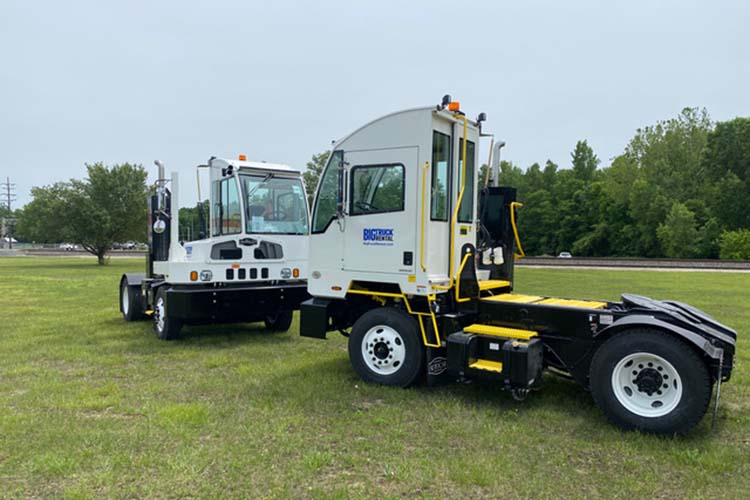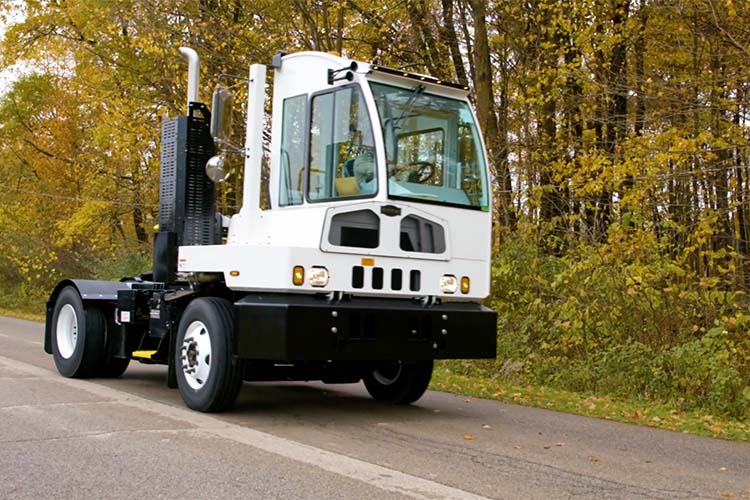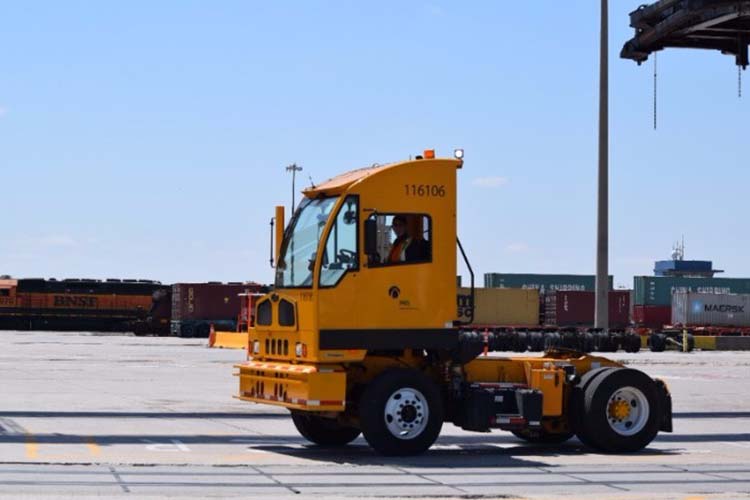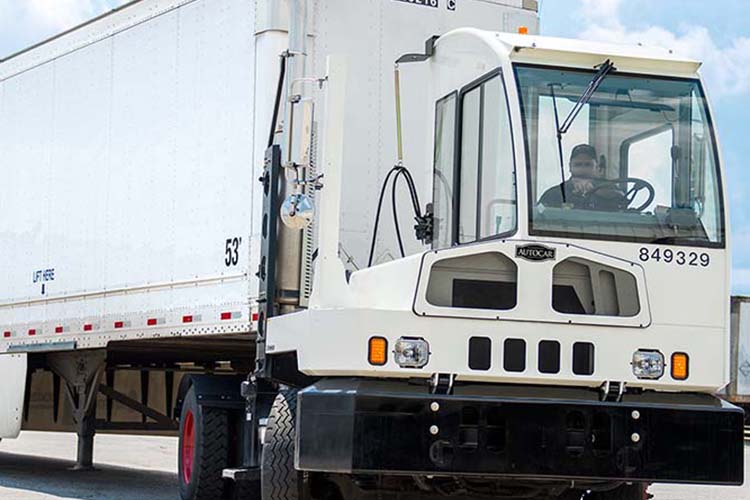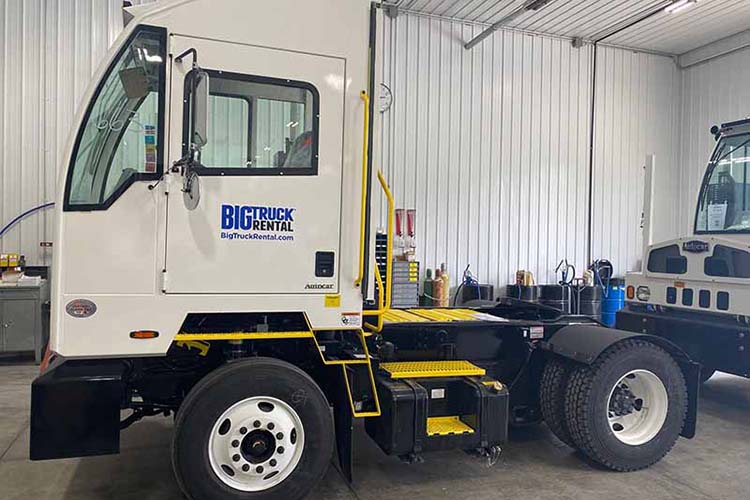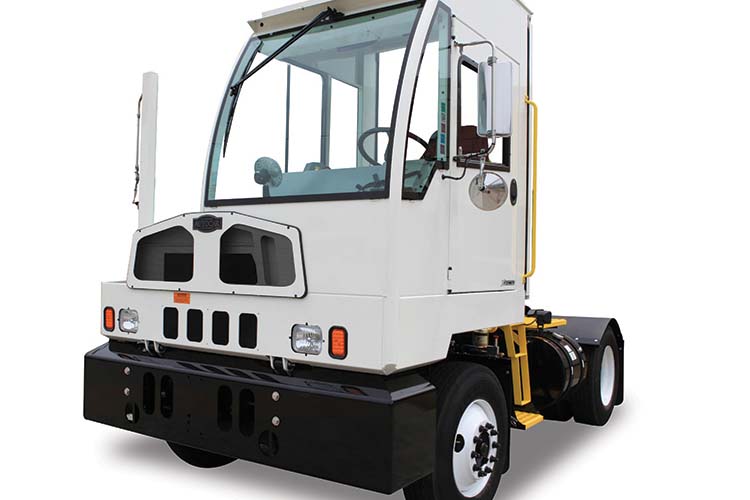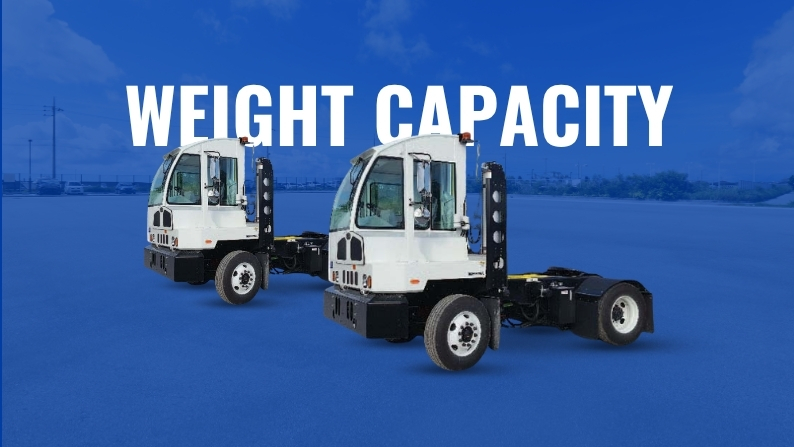
Terminal tractors are purpose-built for moving trailers within distribution centers, ports, warehouses, and industrial yards. Designed for short-distance trailer repositioning and fast spotting, they help improve efficiency, reduce turnaround times, and keep yard operations running smoothly.
One of the most common questions operators ask is how much weight a terminal tractor can handle. The answer depends on the truck’s configuration, application, and operating environment. In general, many models can move around 100,000 pounds, with some capable of moving between 85,000 and over 200,000 pounds in specialized use cases.
Understanding terminal tractor weight capacity helps logistics managers choose the right equipment and maintain safe, efficient trailer movement across their facility.
What Is the Typical Weight Capacity of a Terminal Tractor?
Terminal tractors are engineered specifically for moving loaded trailers and containers over short distances within controlled environments. Unlike highway tractors that are designed for long-distance transportation, terminal tractors focus on low-speed power, maneuverability, and frequent trailer handling.
Most terminal tractors can move loads between 85,000 and 100,000 pounds under normal operating conditions. Depending on the manufacturer, axle configuration, and application, some units can handle significantly heavier loads.
Modern terminal tractors are designed to move heavy trailers efficiently while maintaining stability and control. Their specialized design allows operators to reposition loaded trailers quickly without sacrificing maneuverability in busy yard environments.
Reviewing a truck’s terminal tractor specifications can help determine whether a particular model meets your operation’s demands.
What Factors Affect Terminal Tractor Weight Capacity?
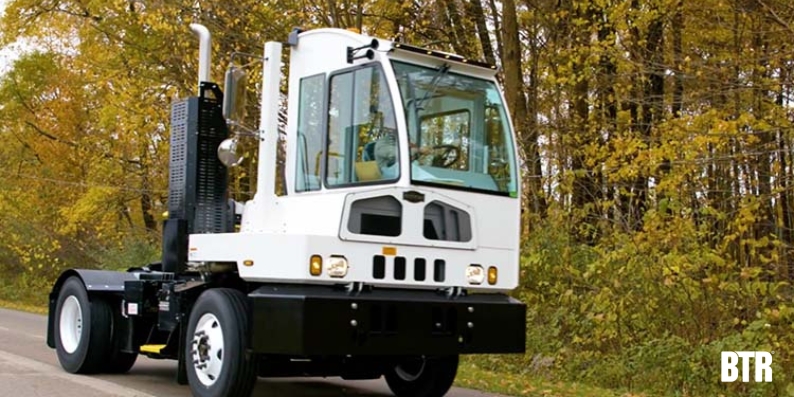
Several factors influence how much weight a terminal tractor can safely move.
Axle Configuration
Terminal tractors are available in different axle configurations that support varying load requirements. Facilities handling heavier trailers may require configurations designed for increased weight capacity and stability.
Fifth-Wheel Design
The fifth wheel supports a significant portion of the trailer’s weight. Different fifth-wheel configurations can affect overall load capacity and operational performance.
Trailer Type
Trailer size, cargo weight, and load distribution all impact how much weight a terminal tractor can safely handle. Heavier or specialized trailers may require equipment configured for higher capacity.
Yard Conditions
Operating environments can also influence performance. Factors such as pavement conditions, grades, and traffic patterns affect how efficiently a terminal tractor can move loaded trailers throughout the yard.
Load Distribution
Even when operating within rated limits, proper weight distribution remains essential for maintaining stability, safety, and efficient trailer movement.
Why Weight Capacity Matters in Yard Operations
Weight capacity plays an important role in overall logistics efficiency.
Distribution centers, warehouses, ports, and intermodal facilities rely on the continuous movement of loaded trailers throughout the day. Selecting a terminal tractor with the appropriate capacity helps prevent operational bottlenecks while supporting efficient freight movement.
Terminal tractors are commonly used to:
- Move loaded trailers between docks and staging areas
- Reposition trailers within distribution centers
- Support container movement in ports
- Facilitate intermodal freight transfers
- Maintain efficient trailer flow throughout the yard
Choosing the right capacity helps facilities reduce delays, improve trailer availability, and increase overall yard throughput. Understanding how a terminal tractor works can also provide valuable insight into why these vehicles are so effective in demanding logistics environments.
More Than Just Weight Capacity
While hauling capability is important, weight capacity is only one of the many benefits terminal tractors offer.
These vehicles are specifically designed for repetitive trailer movement and trailer spotting. Features such as elevated operator cabs, excellent visibility, and quick trailer connections allow operators to move trailers more efficiently than traditional road tractors.
Terminal tractors help improve yard productivity by:
- Reducing trailer move times
- Supporting faster dock operations
- Improving trailer availability
- Reducing yard congestion
- Increasing facility throughput
These operational benefits are among the many advantages of terminal tractors for high-volume logistics operations.
Safety Benefits of Modern Terminal Tractors
Busy yards involve constant equipment movement, trailer repositioning, and interactions between personnel and vehicles. Terminal tractors are designed to help operators work safely in these environments.
Common safety-focused features include:
- Wide visibility from the operator cab
- Ergonomic controls
- Easy entry and exit
- Enhanced awareness around trailers and equipment
- Excellent maneuverability in confined spaces
Not having to constantly enter and exit the cab during trailer moves can also help reduce the risk of slips, trips, and falls. Many facilities supplement these built-in features with additional yard truck safety tips and training programs to help maintain safe and efficient yard operations.
Choosing the Right Terminal Tractor for Your Operation
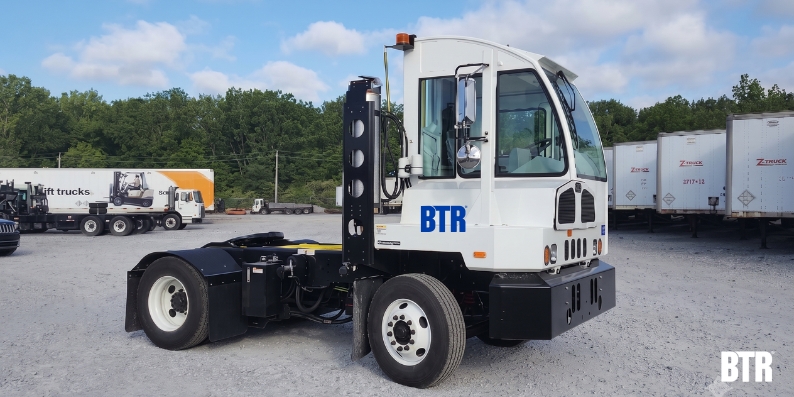
Selecting the right terminal tractor involves more than simply looking at maximum weight capacity.
Businesses should evaluate:
- Daily trailer volume
- Trailer types and configurations
- Yard layout
- Traffic levels
- Throughput requirements
- Future growth plans
Facilities may also benefit from customization options such as adjustable fifth-wheel heights, single or tandem rear axles, HVAC-equipped cabs, and integrated safety technologies. These features help align the equipment with the specific needs of the operation.
How Big Truck Rental Supports Logistics Operations
Big Truck Rental provides DOT-compliant terminal tractors designed for efficient trailer movement in distribution centers, ports, warehouses, and industrial yards.
Our fleet includes late-model terminal tractors built to support:
- Fast trailer spotting
- Efficient yard operations
- Reliable daily performance
- High-traffic logistics environments
- Increased yard throughput
With flexible rental programs, nationwide support, and access to modern fleet technology, BTR helps logistics operators maintain productivity while minimizing downtime. Whether you need additional capacity during peak demand periods or a long-term fleet solution, our terminal tractor programs are designed to keep freight moving efficiently.
Final Thoughts
Terminal tractor weight capacity is an important consideration for any logistics operation. While many terminal tractors can move loads around 100,000 pounds and some configurations can handle significantly more, capacity is only part of the equation. Productivity, maneuverability, safety, and efficient trailer movement all play a critical role in successful yard operations. By selecting the right terminal tractor for your facility, you can improve trailer flow, increase yard throughput, and support more efficient logistics operations.
Improve Your Yard Efficiency With the Right Terminal Tractor
At Big Truck Rental, we provide DOT-compliant terminal tractors built for demanding yard operations across distribution centers, ports, warehouses, and industrial facilities. Our late-model fleet is designed for reliability, fast trailer spotting, and consistent performance in high-traffic environments.
Whether you need short-term rental flexibility or a long-term fleet solution, we help you maintain productivity and reduce downtime. Contact us today to explore available terminal tractors for your operation.
FAQs
What is the typical weight capacity of a terminal tractor?
Most terminal tractors can handle loads between 85,000 and 100,000 pounds under normal conditions, with some configurations capable of exceeding 200,000 pounds depending on setup and application.
What affects the weight capacity of a terminal tractor?
Key factors include axle configuration, fifth-wheel design, trailer type, load distribution, and the operating conditions within the yard or facility.
What is a terminal tractor used for?
Terminal tractors are used to move trailers within yards, ports, distribution centers, and industrial facilities. They support trailer spotting, staging, and repositioning for loading and unloading.
How is a terminal tractor different from a road truck?
Terminal tractors are designed for short-distance, low-speed yard operations, while road trucks are built for long-distance highway transport. Terminal tractors also offer tighter maneuverability and faster trailer coupling in congested yards.
Why is weight capacity important in yard operations?
Weight capacity determines how efficiently a terminal tractor can move loaded trailers. The right capacity helps improve yard throughput, reduce delays, and maintain smoother logistics operations.