Key Takeaways:
- The right terminal tractor depends on trailer volume, yard layout, operating conditions, and the type of work required.
- Drivetrain configuration, fifth-wheel setup, visibility, operator comfort, and safety features should match the facility’s needs.
- Rental, purchasing, and rent-to-purchase offer different ways to add terminal tractors to a fleet.
- Comparing equipment specifications and total operating costs can help businesses make better fleet decisions.
- Big Truck Rental offers Autocar ACTT terminal tractors and flexible fleet options for different logistics requirements.
Choosing the right terminal tractor can affect how efficiently your business moves trailers, manages yard traffic, and keeps loading docks supplied. A truck that doesn’t match your facility’s workload or layout can create unnecessary delays, while the right configuration helps operators move trailers efficiently throughout the shift.
Terminal tractors, also called yard trucks, spotter trucks, or shunt trucks, are built for frequent trailer movement within distribution centers, warehouses, ports, and industrial yards. Before choosing a terminal tractor, evaluate your operating requirements, equipment specifications, safety needs, and budget. This guide explains what to compare and how to choose a terminal tractor.
1. Start With Your Yard’s Operating Requirements
Before comparing models, determine what your terminal tractors need to do each day. The best choice for a small distribution yard may differ from what a high-volume warehouse or port needs.
Consider Your Trailer Volume
Start by estimating how many trailers your facility moves during a typical shift. Consider both average activity and peak demand. Ask these questions:
- How many trailers need to be moved each shift?
- How frequently must trailers be repositioned?
- Are multiple loading docks operating at the same time?
- Does trailer volume increase during certain seasons?
- Are new contracts or facility expansions likely to increase demand?
A busy yard may need additional terminal tractors to keep trailers moving between staging areas and loading docks. However, adding equipment is only part of the solution. Improving workflows and understanding how yard trucks improve productivity can also help businesses make better use of their existing fleet.
Evaluate Your Yard Layout
Your facility’s physical layout affects the type of terminal tractor you need.
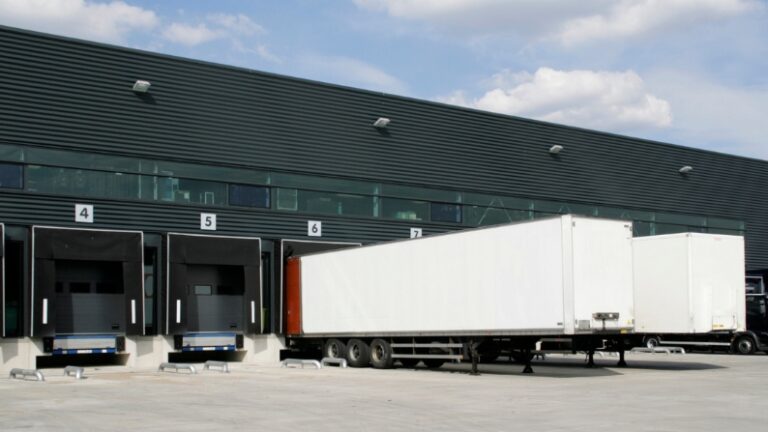
Review the available maneuvering space, dock locations, turning areas, trailer staging zones, and traffic flow. A compact yard with closely spaced docks may have different requirements from a large industrial facility with longer travel distances.
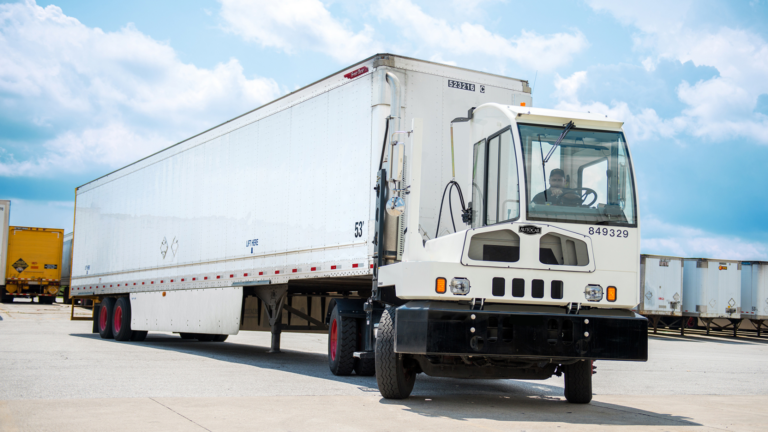
Purpose-built terminal tractors are designed for frequent trailer spotting and maneuvering in confined spaces. Their short wheelbase and specialized design can help operators position trailers in areas where conventional road tractors may be less convenient. Choosing the right terminal tractor for the job also means considering the available space and the types of trailer movements required.
Consider the Operating Environment
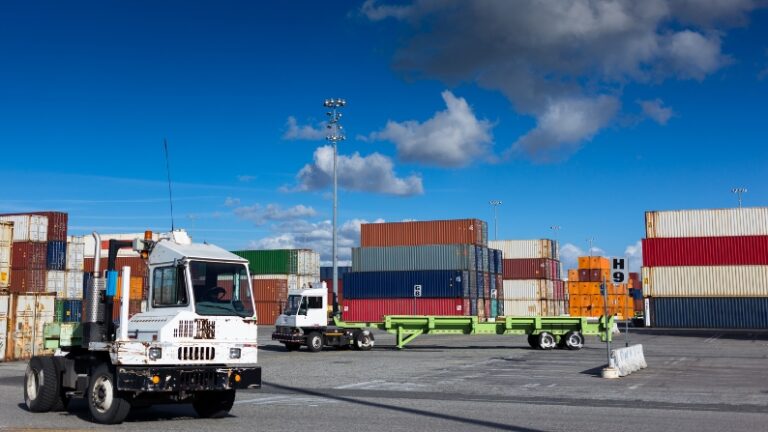
Determine where the terminal tractor will operate and whether it needs any on-road capability. Most yard truck operations focus on moving trailers within private yards and controlled facilities. Some applications may require a DOT-compliant configuration for appropriate on-road movement, subject to applicable regulations and operating requirements.
You can also compare on-road and off-road terminal tractors to determine which configuration fits your facility.
2. Compare the Key Terminal Tractor Specifications
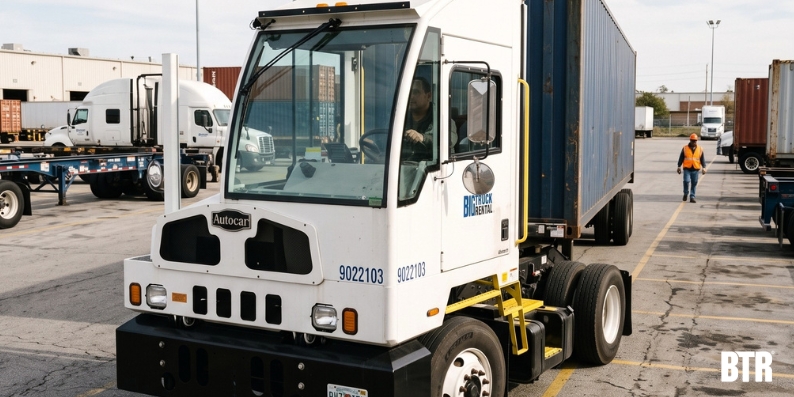
Once you understand your operating requirements, compare terminal tractor specifications and available configurations. The goal is to choose equipment that fits the work rather than paying for features your operation does not need.
Drivetrain and Configuration
Terminal tractors are available in different drivetrain configurations, including 4×2 and 6×4 models. The right choice depends on the intended application, operating surface, traction requirements, and equipment specifications.
When comparing configurations, consider:
- The surface and terrain where the truck will operate
- The trailer loads and frequency of movement
- The traction requirements of the facility
- The manufacturer’s recommendations for the application
- The service and maintenance requirements of the configuration
Do not select a configuration based on axle count alone. Confirm that the specific model is appropriate for the workload and conditions in your yard.
Fifth-Wheel Setup
The fifth wheel connects the terminal tractor to the trailer, making compatibility a key selection factor.
Check the fifth-wheel height and configuration against the trailers your facility handles. Differences in trailer design and coupling requirements can affect how easily the tractor connects to and moves trailers.
Depending on the model and application, available configurations may include fifth-wheel height adjustments and single- or double-rear axles. Confirm the available options for the specific truck rather than assuming every model offers every configuration.
Operator Comfort and Visibility
Terminal tractor operators may enter and exit the cab frequently throughout a shift. Consider cab access, visibility, controls, and seating during the selection process.
Look for features such as:
- Clear sightlines around the vehicle
- Convenient cab entry and exit
- Easy-to-reach controls
- Comfortable seating
- Appropriate heating and air conditioning
- Mirrors and lighting suited to the work environment
Good visibility helps operators monitor surrounding trailers, equipment, pedestrians, and other vehicles. Comfortable controls and accessible cab features can also make repeated trailer movements easier to manage over a full shift.
Safety and Compliance
Consider safety requirements before committing to a terminal tractor.
Evaluate visibility, braking systems, lighting, cab access, and any safety technology available for the selected model. Consider the traffic conditions within your facility, the presence of pedestrians, and the procedures operators follow when coupling, moving, and positioning trailers. Following yard truck safety guidelines can also help operators follow safe practices during daily yard operations.
Also verify the equipment’s compliance status against the intended application. A DOT-compliant configuration may be necessary for certain on-road movements, but compliance alone does not determine whether a vehicle suits every road or operating situation. You must still check applicable regulations, vehicle requirements, and operating restrictions.
3. Match the Terminal Tractor to Your Fleet Strategy
Choosing the right equipment also means deciding how to obtain it. Rental and purchasing can both make sense, depending on how frequently the truck will be used and how long the business expects to need it.
Rent a Terminal Tractor for Flexible Capacity
A terminal tractor rental can help when your operation needs additional equipment without making an immediate, permanent purchase.
Common situations include:
- Seasonal increases in trailer volume
- New contracts or facility expansions
- Temporary projects
- Replacement of an unavailable unit
- Uncertain long-term equipment requirements
Rental can also give a business time to evaluate utilization before deciding whether to expand its owned fleet.
Purchase for Long-Term Use
Purchasing may make sense when a terminal tractor will be used consistently over the long term and the business is prepared to manage ownership costs.
Consider the purchase price alongside maintenance, repairs, insurance, depreciation, and expected utilization. Also evaluate equipment condition, service history, warranty coverage, and delivery timing when comparing available trucks.
Businesses researching a terminal tractor for sale should compare each unit’s condition and configuration with their facility’s needs.
Consider Rent-to-Purchase
Rent-to-purchase yard trucks may suit businesses that want to put equipment into operation while keeping a path toward ownership.
This option can help a company evaluate the equipment’s fit for its workload before committing to a longer-term fleet decision. Review the specific agreement, including payment terms, ownership conditions, maintenance responsibilities, and any applicable purchase requirements.
The best choice depends on expected usage, rental duration, available capital, maintenance capabilities, and long-term fleet plans. Renting is not always cheaper than buying, and purchasing is not always the better option for equipment you may use only temporarily.
4. What to Ask Before Choosing a Terminal Tractor
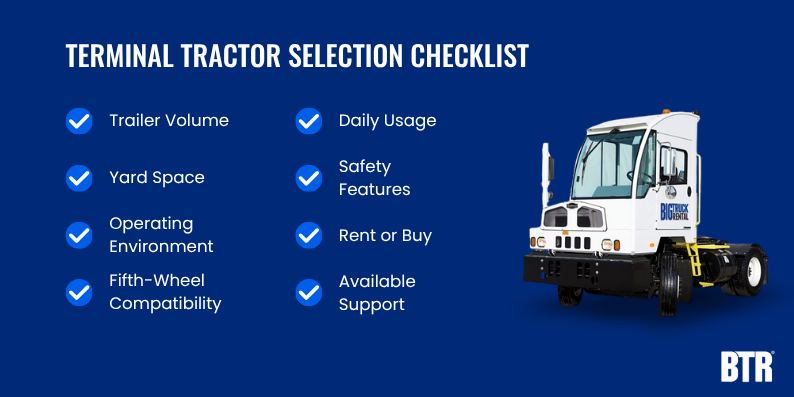
Before deciding, use the following questions to see whether the equipment matches your operation.
- How many trailers will it move each day? Estimate typical and peak trailer movements.
- How much space is available? Review turning areas, dock access, staging locations, and traffic flow.
- Where will the tractor operate? Identify whether it will work exclusively within a private yard or require an appropriate DOT-compliant configuration for certain on-road movements.
- Which trailer and fifth-wheel configurations are needed? Confirm compatibility with the trailers used at your facility.
- How often will the tractor be used? Consider daily utilization and the duration of the equipment requirement.
- What safety and comfort features are necessary? Assess visibility, cab access, lighting, and operator needs.
- Should you rent or buy? Compare rental duration, total ownership costs, capital priorities, and future demand.
- What support is available? Review maintenance arrangements, warranty coverage, delivery timing, and replacement support.
Answering these questions before requesting equipment can help narrow the available options and make discussions with a rental or sales provider more productive.
How Big Truck Rental Helps Businesses Choose the Right Terminal Tractor
Big Truck Rental provides Autocar ACTT terminal tractors for logistics operations that need dependable trailer-moving equipment. BTR supports businesses with different fleet requirements, whether they need temporary capacity, equipment for ongoing operations, or a truck to purchase.
Available options include short- and long-term rental programs, rent-to-purchase, and Yard Ready purchasing programs. Depending on the selected program and agreement, support can include nationwide delivery, dedicated customer support, replacement assurance, and warranty coverage.
By discussing your yard layout, trailer volume, operating conditions, and expected equipment use with BTR, you can identify the configuration and fleet option that best fit your requirements.
Final Thoughts
Choosing the right terminal tractor starts with understanding the work it needs to perform. Trailer volume, yard layout, operating conditions, fifth-wheel compatibility, operator needs, and safety requirements all help determine which equipment is appropriate.
The financial decision matters too. Renting offers flexibility for temporary or changing needs, while purchasing may suit operations with consistent long-term demand. Rent-to-purchase offers another option for businesses considering a transition from rental to ownership.
Compare the equipment specifications and the total cost of each option before deciding. A well-matched terminal tractor can help your team move trailers efficiently while supporting your facility’s operational and fleet goals.
Find the Right Terminal Tractor for Your Operation
Big Truck Rental can help you evaluate terminal tractor options based on your yard, workload, and fleet plans. Whether you need rental equipment or are considering a purchase, the BTR team can discuss available configurations and programs for your operation.
Request a quote to discuss your terminal tractor needs with the BTR team.
FAQs
What should I look for when choosing a terminal tractor?
Start with trailer volume, yard layout, operating conditions, and the types of trailers your facility handles. Then compare drivetrain configuration, fifth-wheel compatibility, visibility, safety features, and the total cost of renting or owning the equipment.
What is the difference between a terminal tractor and a regular semi-truck?
A terminal tractor is purpose-built for frequent, short-distance trailer movements within distribution centers, warehouses, ports, and industrial yards. A conventional semi-truck is primarily designed for transporting freight over longer distances, although specific vehicle capabilities vary by model.
What terminal tractor configuration is best for my yard?
The best configuration depends on your operating surface, traction requirements, trailer loads, and intended use. Compare the manufacturer’s specifications and confirm the selected model suits your facility, rather than choosing based on drivetrain or axle count alone.
Should I rent or buy a terminal tractor?
Renting may suit temporary demand, new contracts, equipment replacement, or uncertain fleet needs. Purchasing may be appropriate when you’ll use the equipment consistently over the long term, but compare the purchase price with maintenance, repairs, depreciation, and other ownership expenses before deciding.
Are terminal tractors DOT-compliant?
Some terminal tractors are available in DOT-compliant configurations, while others are built specifically for off-road yard use. BTR offers DOT-compliant Autocar ACTT42 4×2 diesel terminal tractors. Confirm the specific unit’s configuration and applicable requirements before using it for any on-road movement.