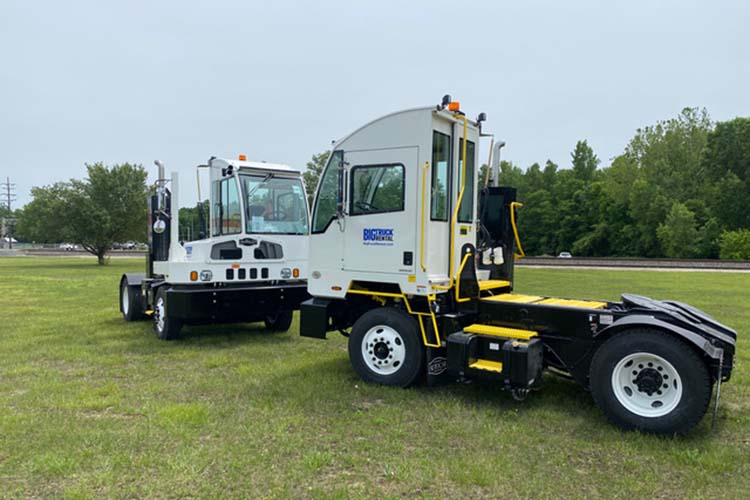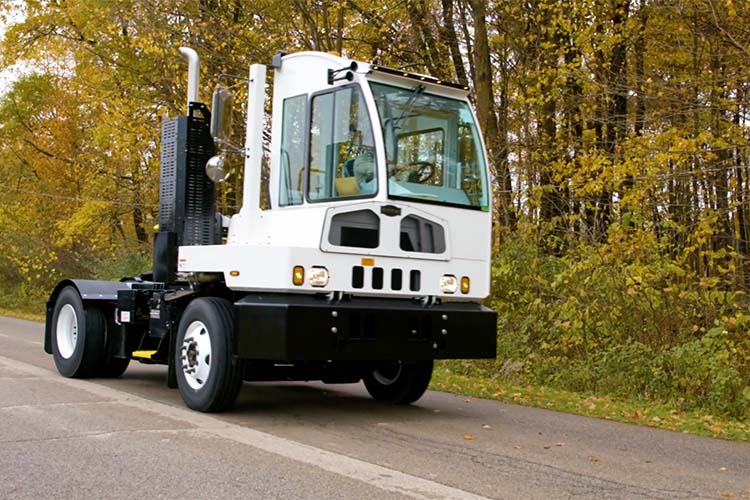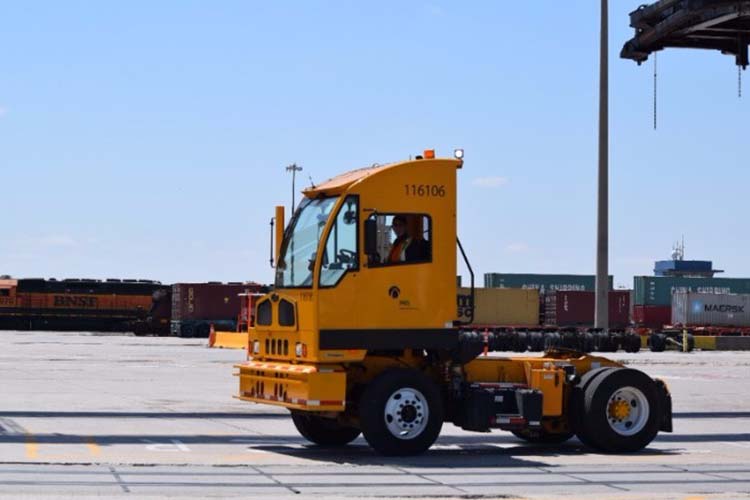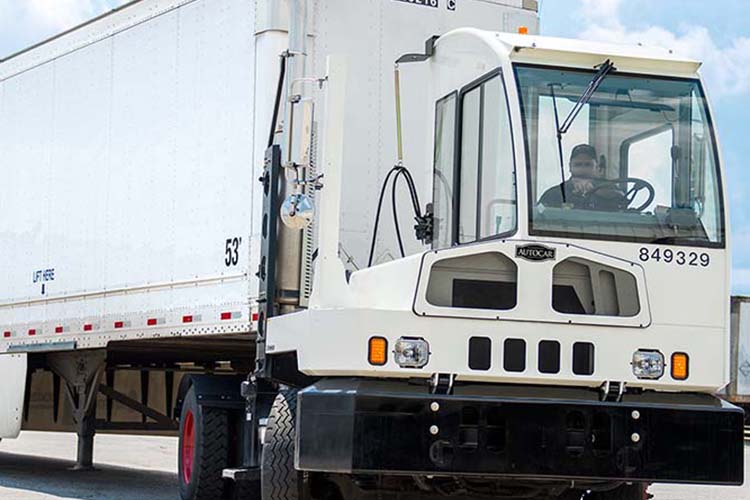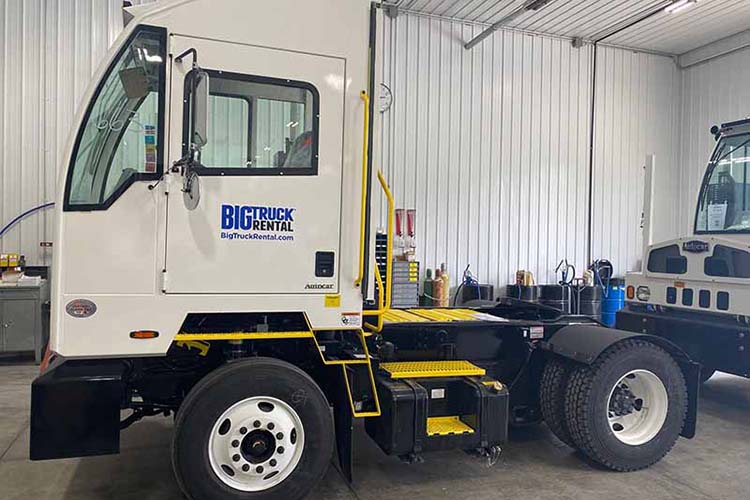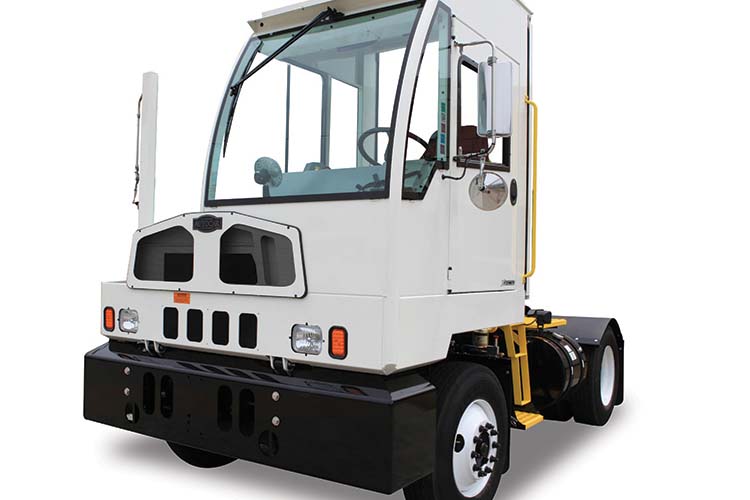
Yard trucks, also known as terminal tractors, play an essential role in moving trailers throughout distribution centers, ports, warehouses, and manufacturing facilities. These specialized vehicles help keep freight moving efficiently by transporting trailers over short distances in busy yard environments.
Although yard trucks typically operate at lower speeds than over-the-road tractors, they work in areas filled with constant vehicle movement, pedestrians, forklifts, and loading equipment. That makes yard truck safety a top priority for every facility.
Following proven yard truck safety guidelines helps protect operators, reduce accidents, minimize equipment damage, and keep operations running smoothly. Whether you’re an experienced operator or managing a fleet of terminal tractors, these five safety practices should be part of every workday.
Why Safety Matters in Yard Truck Operations
Yard operations are fast-paced environments where multiple activities take place simultaneously. Drivers frequently move trailers between loading docks, staging areas, and parking locations while sharing space with other equipment and personnel.
Common challenges include:
- Tight maneuvering areas
- Frequent trailer coupling and uncoupling
- Blind spots around trailers
- Pedestrian traffic
- Forklift activity
- Limited visibility in crowded yards
Even a minor mistake can lead to damaged equipment, delayed shipments, or injuries. Developing strong terminal tractor safety habits helps reduce risk while improving overall productivity.
Safety Guideline #1: Perform a Pre-Shift Inspection
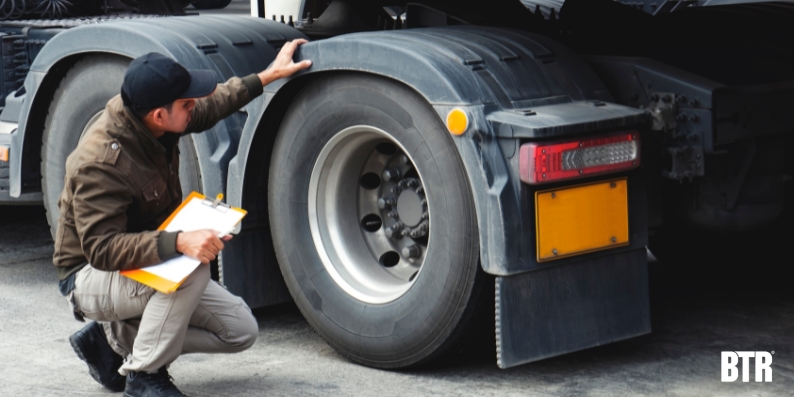
Every shift should begin with a complete inspection of the yard truck.
Taking a few minutes to inspect the vehicle before operation can help identify small problems before they become costly repairs or safety hazards.
Inspect items such as:
- Tires and wheel condition
- Brakes
- Headlights and warning lights
- Mirrors
- Windshield and windows
- Horn
- Seat belts
- Fifth wheel locking mechanism
- Hydraulic systems
- Air lines and electrical connections
- Fluid levels
If any issue is discovered, report it immediately and do not operate the vehicle until it has been addressed. Consistent inspections improve equipment reliability while supporting safer terminal tractor operation throughout the day.
Safety Guideline #2: Always Maintain Three Points of Contact
Entering and exiting the cab may seem routine, but slips and falls remain one of the most common workplace injuries.
Always maintain three points of contact by keeping:
- Two hands and one foot, or
- Two feet and one hand
in contact with the truck whenever climbing in or out.
Additional safety tips include:
- Face the vehicle while climbing.
- Use grab handles and steps.
- Never jump from the cab.
- Avoid carrying items that prevent a secure grip.
Taking a few extra seconds can help prevent injuries that result in lost work time.
Safety Guideline #3: Stay Alert and Maintain Awareness
Situational awareness is one of the most important aspects of yard truck operator safety. Operators should constantly monitor their surroundings while moving trailers.
Always watch for:
- Pedestrians
- Forklifts
- Other yard trucks
- Parked trailers
- Loading dock activity
- Service vehicles
Whenever visibility is limited:
- Use mirrors frequently.
- Rely on backup cameras if equipped.
- Request a spotter when necessary.
- Slow down before turning or backing.
Drivers should also follow designated traffic patterns, obey posted speed limits, and maintain safe distances from other equipment operating in the yard.
Safety Guideline #4: Wear the Proper Personal Protective Equipment (PPE)
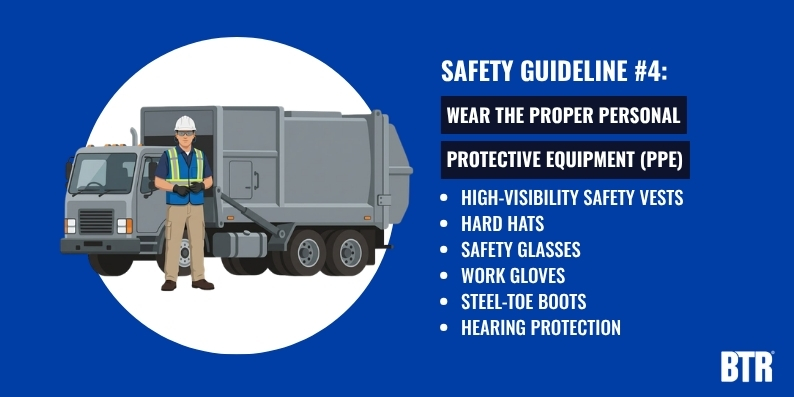
Personal protective equipment helps reduce the risk of injury while working around heavy equipment.
Depending on facility requirements, operators may need to wear:
- High-visibility safety vests
- Hard hats
- Safety glasses
- Work gloves
- Steel-toe boots
- Hearing protection
PPE is especially important when connecting trailers, performing inspections, or walking through active loading areas. Always follow your facility’s safety policies before entering operational zones.
Safety Guideline #5: Keep the Cab Clean and Follow Safe Operating Practices
A clean cab helps drivers stay focused and reduces unnecessary distractions. Loose objects can interfere with pedals, controls, or visibility during operation.
Good housekeeping practices include:
- Removing trash and unnecessary items
- Securing personal belongings
- Keeping windows and mirrors clean
- Maintaining clear visibility through the windshield
- Keeping controls free of clutter
Operators should also avoid using mobile phones or engaging in other distractions while driving.
Because trailer movements are repetitive, it can be easy to become complacent. Staying focused throughout every move helps prevent avoidable accidents.
Creating a Culture of Safety
Strong safety programs extend beyond individual drivers. Facilities that prioritize safety typically provide:
- Regular operator training
- Refresher courses
- Daily safety meetings
- Hazard reporting procedures
- Near-miss reporting programs
- Updated operating procedures as yard conditions change
Encouraging employees to report potential hazards before accidents occur helps create a safer working environment for everyone.
Safety should become part of everyday operations rather than something discussed only during orientation.
How Big Truck Rental Supports Safe Yard Operations
Reliable equipment plays an important role in maintaining safe and efficient yard operations.
Big Truck Rental provides dependable terminal tractors designed to support demanding trailer spotting applications across distribution centers, warehouses, ports, and industrial facilities.
Our flexible truck rental solutions help businesses:
- Add equipment during peak demand
- Replace out-of-service units
- Support fleet growth
- Access dependable late-model equipment
- Reduce operational downtime
Whether you need short-term rentals, long-term rentals, or a rent-to-purchase solution, our terminal tractors help keep trailer movements safe and productive.
Final Thoughts
Safe yard operations depend on more than skilled drivers. Reliable equipment, consistent inspections, proper training, and following established procedures all work together to reduce accidents and improve productivity.
By making these five yard truck safety guidelines part of every shift, facilities can better protect operators, reduce equipment damage, and maintain efficient trailer movement throughout the yard.
Keep Your Yard Operations Safe and Productive
Big Truck Rental provides dependable terminal tractors that help distribution centers, warehouses, ports, and industrial facilities move trailers safely and efficiently. Whether you need additional capacity during peak seasons or dependable equipment for long-term operations, our flexible terminal tractor rental solutions help keep your yard productive.
Contact us today to learn more about our terminal tractor fleet and flexible rental programs.
FAQs
What is a yard truck?
A yard truck, also called a terminal tractor, spotter truck, or shunt truck, is a specialized vehicle used to move trailers within warehouses, ports, distribution centers, and industrial facilities.
Why is yard truck safety important?
Busy yards contain constant vehicle and pedestrian traffic. Following proper safety procedures helps reduce accidents, protect operators, minimize equipment damage, and improve operational efficiency.
What should be included in a pre-shift yard truck inspection?
Operators should inspect tires, brakes, lights, mirrors, the fifth wheel, hydraulic systems, air lines, seat belts, fluid levels, and other critical safety components before each shift.
What PPE should yard truck operators wear?
Depending on facility requirements, operators may wear high-visibility clothing, hard hats, safety glasses, gloves, steel-toe boots, and hearing protection while working around yard equipment.
How can facilities improve yard truck safety?
Facilities can improve safety through regular operator training, daily inspections, hazard reporting, refresher courses, clear traffic patterns, and maintaining reliable equipment.