Municipal garbage collection is a major ongoing expense for cities and counties. Local governments must pay for trucks, maintenance, fuel, labor, disposal, and other operating costs while keeping collection services reliable for residents.
Managing a garbage collection budget becomes more difficult as fleets age, communities grow, and collection demands change. A well-planned approach can help municipalities control costs without compromising service quality. This guide looks at the biggest budget challenges and practical ways municipalities can manage fleet and collection expenses more effectively.
Where Municipal Garbage Collection Budgets Are Typically Spent
A municipal waste collection budget covers much more than the cost of purchasing garbage trucks. Several expenses contribute to the overall cost of providing reliable collection services.
Garbage Truck Purchases and Fleet Replacement
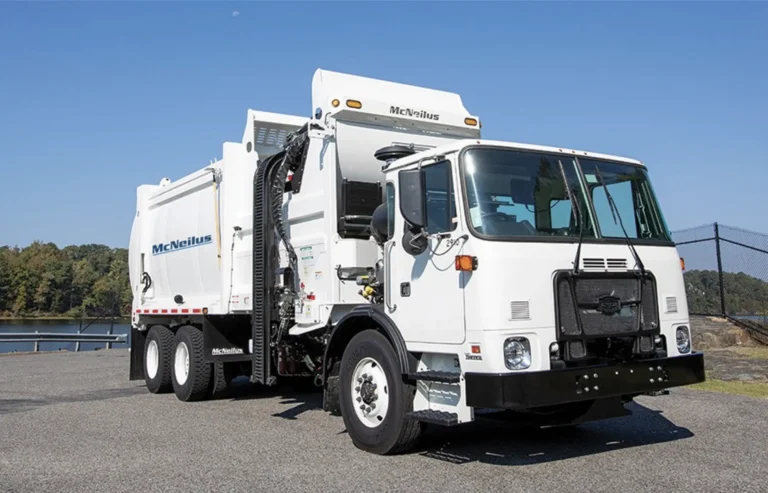
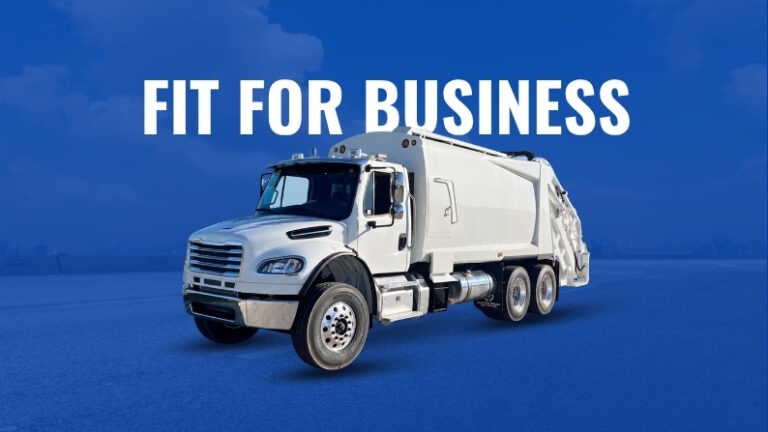
Garbage trucks represent one of the largest capital expenses for many municipal collection programs. Side loaders, rear loaders, front loaders, automated front loaders, and other specialized vehicles can require significant upfront investment. Municipalities also need to plan for fleet replacement as trucks reach the end of their useful service life.
Vehicle Maintenance and Repairs
Garbage truck routine maintenance is necessary to keep collection trucks operating safely and reliably. Municipalities also need to account for unexpected repairs, replacement parts, tires, hydraulic components, and other service expenses. As trucks age, maintenance costs can increase, and breakdowns may become more frequent.
Fuel and Operating Expenses
Fuel is another major operating expense for municipal fleets. Collection trucks can spend long hours on routes, often stopping and starting hundreds of times during a shift. Fuel consumption can vary based on route length, traffic, truck type, payload, driving conditions, and idle time.
Labor and Staffing Costs
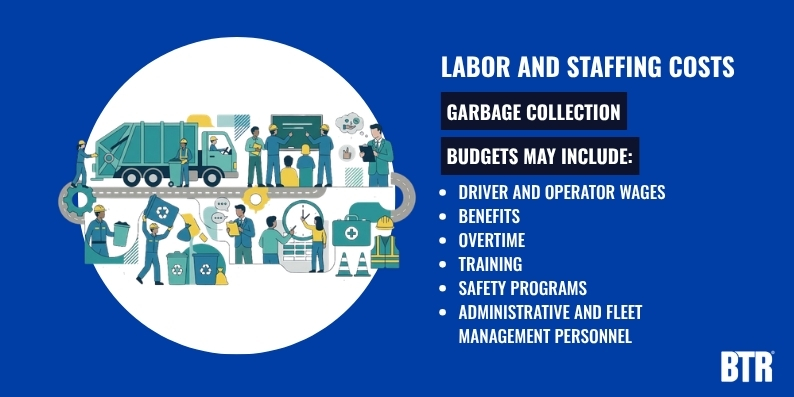
Collection crews and fleet personnel are essential to municipal waste operations. Garbage collection budgets may include:
- Driver and operator wages
- Benefits
- Overtime
- Training
- Safety programs
- Administrative and fleet management personnel
Staffing costs can increase during seasonal collection programs or periods of service expansion.
Waste Disposal and Landfill Fees
Municipalities may also pay landfill, transfer station, recycling, or processing fees. These costs can fluctuate based on waste volumes and local disposal arrangements. Higher collection volumes can therefore affect multiple areas of the municipal waste management budget.
Fleet Technology and Compliance
Modern garbage trucks can include cameras, telematics, automated collection systems, safety technology, and other equipment that may require additional investment. Municipalities must also account for applicable safety, environmental, and regulatory requirements when planning fleet expenditures.
Common Budget Challenges for Municipal Waste Collection
Several factors can make municipal fleet budgeting difficult. Some costs are predictable, while others can change quickly.
Rising Fleet Replacement Costs
New garbage trucks require a substantial capital investment. Purchasing several trucks during the same budget cycle can put considerable pressure on municipal finances.
Delaying replacement can also create problems. Older vehicles may require more frequent repairs, experience more downtime, and become less efficient to operate.
Municipalities need to find a balance between extending the life of existing equipment and replacing vehicles before repair and reliability issues become too costly.
Aging Fleet and Increased Maintenance Costs
An aging municipal fleet can make annual budgets harder to predict. A truck that requires an unexpected engine, transmission, hydraulic, or electrical repair can create an unplanned expense. If multiple vehicles experience problems at the same time, the impact on the fleet budget can be significant.
Preventive maintenance and accurate maintenance records can help municipalities identify when keeping an older vehicle in service may no longer be financially practical.
Seasonal Changes in Collection Demand
Waste volumes do not remain consistent throughout the year. Municipalities may experience higher demand during:
- Spring and fall yard waste collection
- Holiday periods
- Community cleanup events
- Storm cleanup
- Disaster recovery
- Bulk waste collection programs
These temporary increases can require additional trucks and crews. Purchasing permanent equipment for a short-term increase in workload may leave the municipality with excess capacity once demand returns to normal.
Population Growth and Route Expansion
As communities grow, existing collection routes may become longer or require additional trucks. New residential developments can increase the number of households served, while commercial growth can increase the volume and frequency of commercial waste collection.
Municipalities need to account for these changes when preparing future fleet budgets rather than waiting until existing equipment is consistently overloaded.
Balancing Capital Spending With Daily Operations
Municipal budgets must support many public services at the same time. A large fleet purchase may compete with spending on roads, public safety, infrastructure, parks, or other community priorities.
This makes fleet planning especially important. Municipalities need to determine which equipment purchases are urgent, which can be delayed, and where flexible alternatives can help manage short-term needs.
Strategies for Managing Municipal Garbage Collection Budgets
A strong budget strategy combines careful fleet planning with day-to-day cost control.
Build a Long-Term Fleet Replacement Plan
Municipalities should avoid treating truck replacement as an unexpected expense. A long-term replacement plan can identify:
- Truck age
- Mileage or engine hours
- Maintenance history
- Repair frequency
- Vehicle utilization
- Expected replacement dates
- Estimated replacement costs
Planning replacements across multiple budget cycles can make large capital expenses easier to manage. It can also help prevent several trucks from reaching the end of their service life at the same time.
Use Preventive Maintenance to Reduce Unexpected Costs
Preventive maintenance can help identify smaller problems before they develop into major repairs. Municipal fleets should follow manufacturer recommendations and establish inspection and maintenance schedules appropriate for each vehicle.
Tracking maintenance costs by truck can also reveal patterns. If one vehicle consistently requires more repairs than comparable units, replacing it may eventually make more financial sense than continuing to invest in repairs.
Improve Route Planning and Fleet Utilization
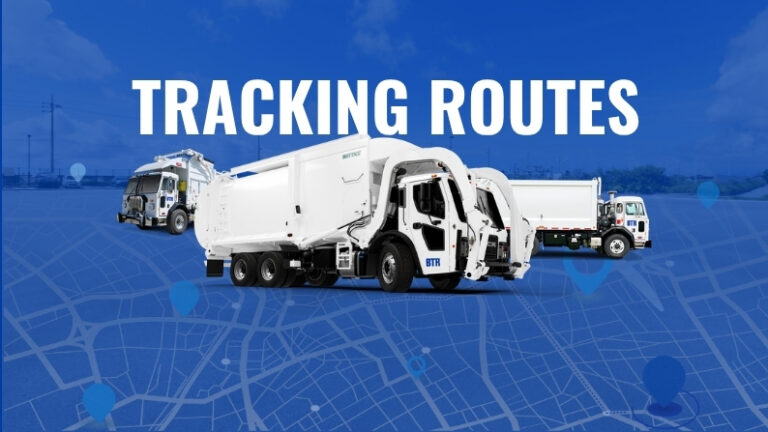
Fleet efficiency has a direct impact on operating costs. Municipalities can review collection routes to identify unnecessary mileage, excessive idle time, inefficient scheduling, or trucks that are consistently underutilized.
Matching the right truck to the route can also improve efficiency. For example, an automated side loader may be appropriate for certain residential routes, while a front loader may be better suited to commercial container collection.
Better utilization can help municipalities get more value from the equipment they already own.
Use Rental Garbage Trucks for Additional Flexibility
Rental equipment can give municipalities another option when additional trucks are needed but a permanent purchase is not practical.
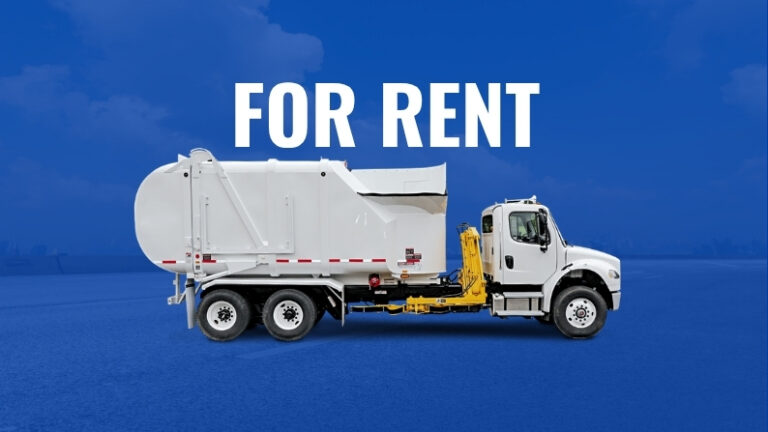
A garbage truck rental can help provide additional capacity for:
- Seasonal collection programs
- Storm cleanup
- Emergency response
- Temporary route expansion
- Truck-down situations
- Fleet replacement projects
Instead of purchasing a truck that may only be needed for a limited period, municipalities can rent equipment for the duration of the operational need.
Rental equipment can also help maintain service while a municipality waits for a new truck to be delivered or an existing vehicle to complete a major repair.
Make Data-Driven Budget Decisions
Fleet decisions should be based on actual operating information whenever possible. Municipalities can track:
- Maintenance costs by vehicle
- Fuel consumption
- Vehicle utilization
- Downtime
- Route mileage
- Repair frequency
- Annual operating costs
- Truck age and service history
This information can help fleet managers identify which vehicles are costing the most to operate and where future investments are likely to provide the greatest benefit.
How Garbage Truck Rental Supports Municipal Budget Planning
Garbage truck rentals can provide municipalities with more flexibility when equipment needs do not align with the timing of the annual capital budget.
Renting can help municipalities avoid a large upfront equipment purchase while still providing access to trucks when they are needed.
For example, a municipality may need additional equipment during a seasonal yard waste program but have no reason to maintain that additional capacity year-round. A rental program can provide trucks for the higher-demand period without permanently increasing fleet size.
This approach can help municipalities:
- Preserve capital for planned investments
- Add equipment during periods of higher demand
- Maintain service during truck-down situations
- Support temporary route expansion
- Bridge equipment delivery delays
- Reduce pressure on a single budget cycle
The right approach depends on the municipality’s fleet size, funding structure, operational requirements, and long-term replacement strategy.
Building a More Sustainable Municipal Fleet Strategy
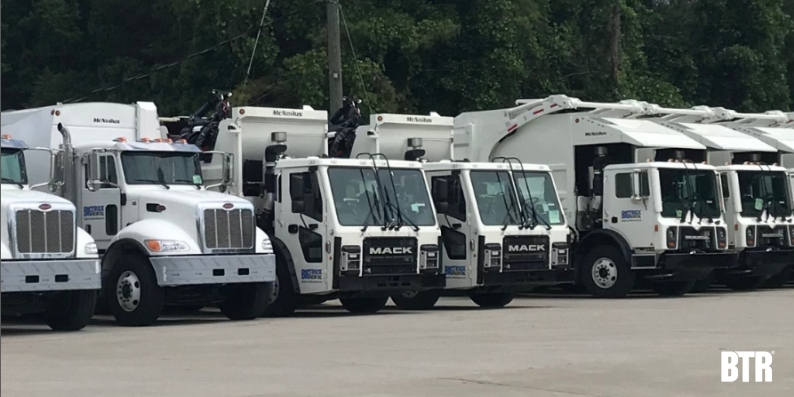
Effective municipal fleet management requires more than buying new trucks whenever additional capacity is needed. Municipalities should consider a mix of ownership, maintenance, replacement planning, and flexible fleet options.
A sustainable strategy can include:
Plan for Future Community Growth
Review population trends, new developments, service boundaries, and projected waste volumes when preparing future fleet budgets.
Prepare for Seasonal Demand
Identify periods when collection volumes historically increase and determine how many additional trucks may be required.
Maintain Emergency Capacity
Severe weather and unexpected equipment failures can create sudden demand for additional trucks. Having a contingency plan can help municipalities respond without disrupting regular collection service.
Balance Owned and Rented Equipment
Not every truck needs to be treated as a permanent asset. Renting can make sense for temporary or uncertain needs, while purchasing may be appropriate for equipment that will be used consistently for many years.
Focus on Total Operating Costs
The purchase price is only one part of a garbage truck’s cost. Fuel, maintenance, downtime, labor, utilization, and replacement timing should also factor into fleet decisions.
How Big Truck Rental Supports Municipal Waste Collection
At Big Truck Rental, we work with municipalities and waste collection operations across North America to help them manage changing equipment needs. Our municipal fleet solutions give local governments another option when they need additional trucks without committing their entire budget to permanent fleet expansion.
Depending on the situation, municipalities can use our rental trucks to support:
- Seasonal collection demand
- Emergency and storm response
- Truck-down replacements
- Route expansion
- Fleet replacement projects
- Temporary increases in service requirements
Big Truck Rental offers short-term and long-term rental options, giving municipalities flexibility based on how long equipment is needed.
Final Thoughts
Budget allocation for municipal garbage collection requires a balance between reliable service, fleet investment, and responsible use of public funds.
Rising truck costs, aging equipment, maintenance expenses, seasonal demand, and population growth can all place pressure on municipal budgets. A proactive approach can help reduce surprises and make fleet spending more predictable.
Long-term replacement planning, preventive maintenance, efficient route management, data-driven decisions, and flexible rental options can give municipalities more ways to manage these challenges.
Support Your Municipal Fleet With Flexible Solutions
Big Truck Rental helps municipalities manage changing garbage collection demands with dependable fleet solutions designed around their operational needs.
Contact us today to learn more about our garbage truck rental programs and how they can support your municipality’s collection operations.
FAQs
What are the biggest expenses in municipal garbage collection?
Major expenses typically include garbage truck purchases and replacement, maintenance and repairs, fuel, labor, disposal fees, insurance, technology, and regulatory compliance.
How can municipalities reduce garbage collection costs?
Municipalities can improve cost control through preventive maintenance, efficient route planning, better fleet utilization, long-term replacement planning, and flexible equipment options such as garbage truck rentals.
Why is fleet replacement planning important for municipalities?
A fleet replacement plan helps municipalities anticipate major capital expenses, prioritize vehicles based on condition and operating costs, and avoid replacing too many trucks at the same time.
Can municipalities rent garbage trucks?
Yes. Municipalities can use garbage truck rentals to add temporary capacity, replace trucks that are being repaired, support seasonal collection programs, or maintain service during fleet replacement projects.
How can rental garbage trucks help with municipal budgets?
Renting can reduce the need for a large upfront equipment purchase and give municipalities access to trucks when they are needed. This can help preserve capital and provide flexibility for temporary or changing operational requirements.