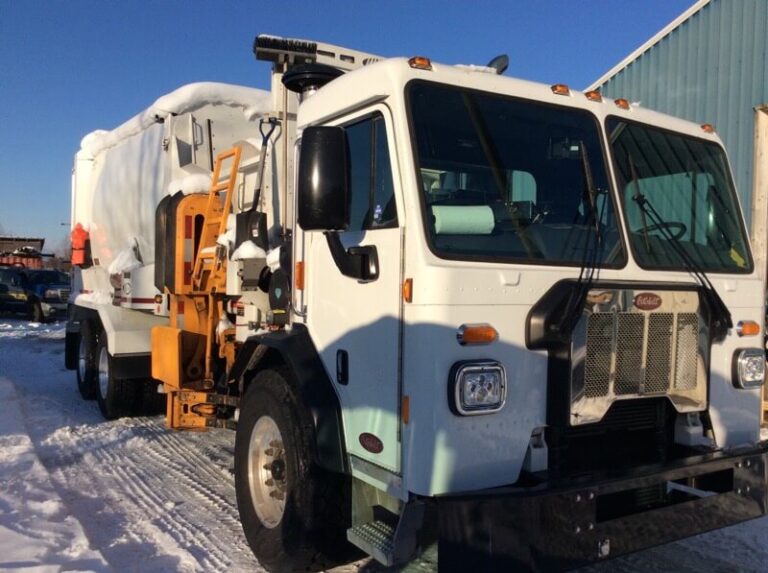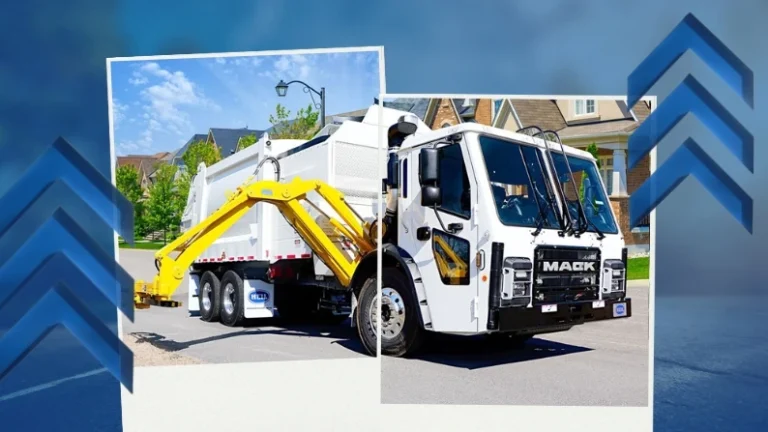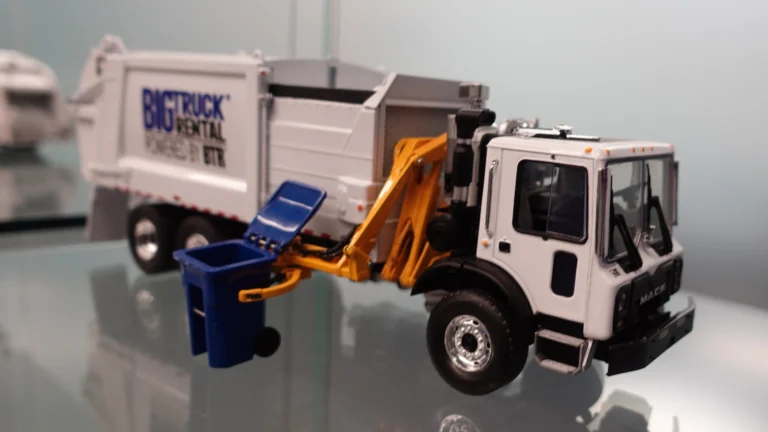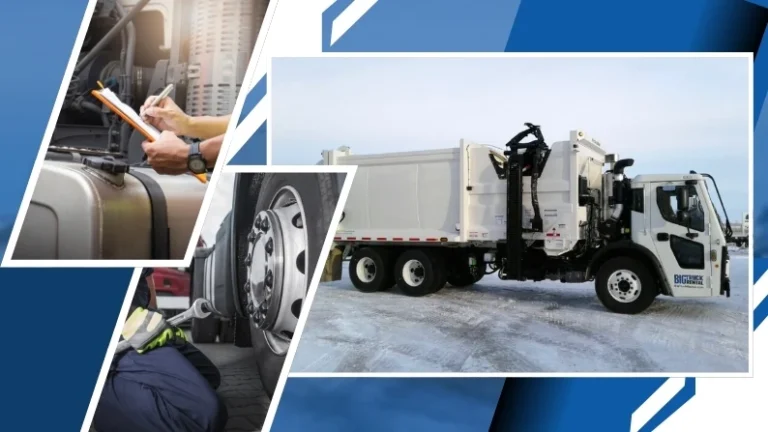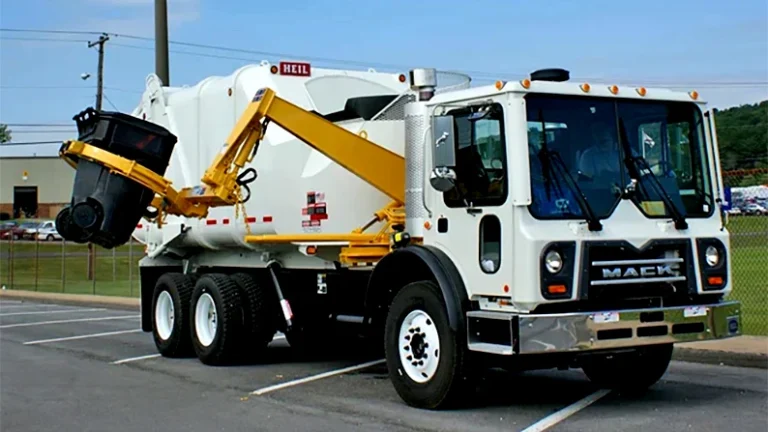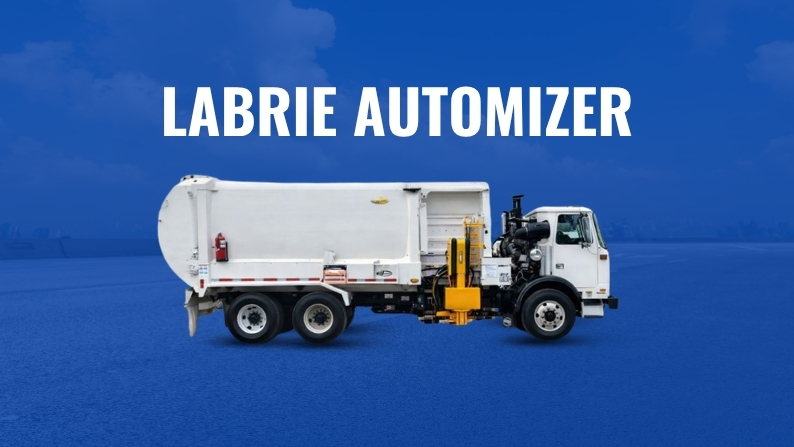
The Labrie Automizer Side Loader is designed to help waste collection fleets complete residential routes efficiently through automated container collection. Its joystick-controlled loading arm, smooth hydraulic operation, and ergonomic controls allow operators to collect refuse with minimal manual handling while improving route productivity.
Like any specialized refuse vehicle, safe and efficient operation begins with proper training and following the manufacturer’s recommended procedures. This guide provides a general overview of how to operate a Labrie Automizer Side Loader, from pre-trip inspections to unloading at the end of the route.
Note: Always follow the official Labrie operator’s manual and your company’s operating procedures before operating any equipment.
Step 1: Complete a Pre-Trip Inspection
Before starting the truck, perform a complete pre-trip inspection to identify potential problems before they affect the route.
Inspect the following components:
- Tires for proper inflation and visible damage
- Hydraulic hoses and cylinders for leaks
- Hydraulic fluid levels
- Lights, mirrors, cameras, and warning systems
- Hopper and body for visible damage
- Loading arm and grabber assembly
- Safety decals and warning labels
- Engine oil, coolant, and other required fluids
Before starting the truck, verify that:
- The parking brake is engaged.
- The transmission is in neutral (or park if applicable).
- Hydraulic controls are disengaged.
- No warning lights indicate active faults.
A thorough inspection helps improve safety while reducing unexpected downtime.
Step 2: Position the Truck for Collection
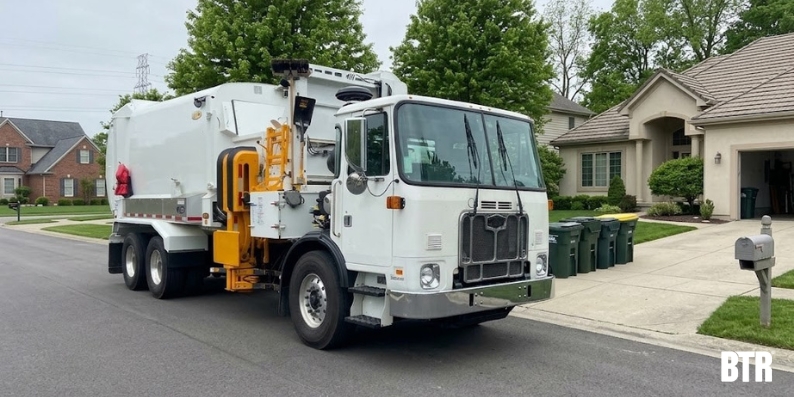
As you approach each collection point, position the truck so the automated arm can safely reach the cart without overextending.
Before activating the loading arm:
- Stop completely.
- Turn on required warning lights.
- Check mirrors and camera systems.
- Confirm pedestrians and nearby vehicles are clear.
- Verify there are no overhead obstacles.
Proper positioning allows smoother collection while reducing unnecessary wear on the hydraulic system.
Step 3: Collect the Container
Once the truck is positioned correctly, use the joystick controls to begin the collection cycle.
The general process includes:
- Extend the loading arm toward the cart.
- Securely grip the container.
- Lift and rotate the container over the hopper.
- Empty the contents into the body.
- Return the container to its original location.
- Retract the loading arm completely before moving.
Operate the arm using smooth, controlled movements throughout the cycle. Avoid sudden joystick inputs that may place unnecessary stress on the hydraulic system.
Understanding the advantages of the Labrie Automizer Side Loader helps explain why its automated arm and intuitive controls allow operators to complete residential collection routes more efficiently.
Step 4: Continue the Collection Route Safely
Throughout the route, operators should remain aware of changing traffic conditions, pedestrians, parked vehicles, and other obstacles.
Good operating practices include:
- Keeping warning lights activated during collection
- Watching mirrors and backup cameras frequently
- Avoiding unnecessary arm movements
- Never exceeding the truck’s operating limits
- Following all company safety procedures
Consistent operating habits help improve both safety and equipment life.
Step 5: Unload at the Disposal Site
After completing the route, transport the collected refuse to the designated transfer station or landfill.
Before unloading:
- Park on firm, level ground.
- Set the parking brake.
- Remove any required tailgate safety devices according to manufacturer procedures.
- Raise the body slowly using the hydraulic controls.
- Open the tailgate as directed by operating procedures.
- Allow the refuse to discharge completely.
- Lower the body.
- Secure the tailgate and reinstall all safety devices before leaving.
Always remain aware of surrounding personnel and overhead hazards during unloading.
Step 6: Perform a Post-Route Inspection
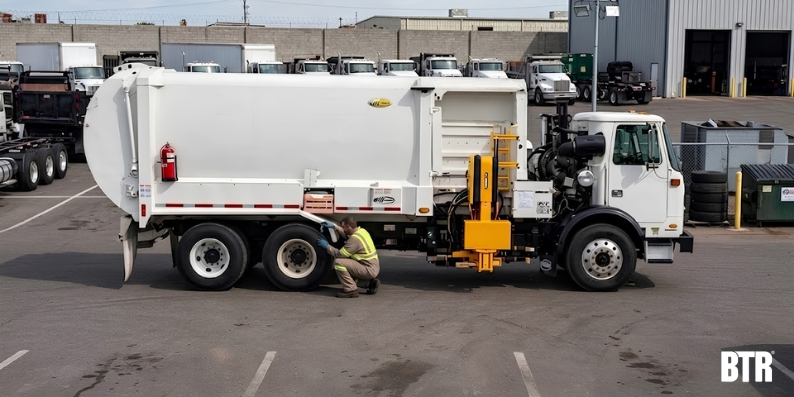
Once the route is complete, perform a final inspection before parking the truck.
Check for:
- Hydraulic leaks
- Damage to the loading arm
- Tire damage
- Excessive wear
- Debris buildup
- Warning lights
- Loose components
Cleaning the truck and reporting any maintenance concerns helps prepare the vehicle for the next shift.
Routine side loader garbage truck maintenance also plays an important role in extending equipment life and reducing unexpected downtime.
Safety Tips for Operating a Labrie Automizer Side Loader
Safe operation depends on both proper training and good operating habits.
Some important safety practices include:
- Perform a pre-trip inspection every day.
- Keep pedestrians clear during collection.
- Operate the loading arm smoothly.
- Never exceed rated lifting capacity.
- Watch for overhead power lines and tree branches.
- Wear appropriate PPE when outside the cab.
- Follow all manufacturer recommendations and company procedures.
These practices help protect operators, equipment, and the public.
Rent a Labrie Automizer Side Loader from Big Truck Rental
Whether you need additional capacity for seasonal demand, municipal contracts, emergency response, or fleet expansion, Big Truck Rental offers dependable side loader garbage trucks for rent featuring the Labrie Automizer.
Our flexible rental programs help fleets add reliable equipment without the long-term commitment of ownership.
Final Thoughts
Learning how to operate a Labrie Automizer Side Loader properly helps improve safety, increase productivity, and reduce unnecessary equipment wear. From performing daily inspections to safely operating the automated loading arm and completing post-route inspections, following proper procedures helps keep collection routes running efficiently.
With proper training, routine maintenance, and dependable equipment, fleets can maximize the performance and lifespan of their side loader trucks.
Improve Route Efficiency with the Labrie Automizer
Big Truck Rental provides dependable Labrie Automizer Side Loader rentals to support municipalities, private waste haulers, and contractors. Whether you need one truck or an entire fleet, our flexible rental solutions help keep your operation productive.
Contact us today to learn more about our side loader truck rental options.
FAQs
Is the Labrie Automizer Side Loader easy to operate?
Yes. The truck features intuitive joystick controls and an automated loading arm designed to simplify residential refuse collection while reducing manual handling.
What should I inspect before operating a Labrie Automizer?
Inspect the tires, hydraulic system, loading arm, lights, mirrors, cameras, fluid levels, hopper, and safety equipment before every shift.
How does the automated loading arm work?
The operator uses joystick controls to extend the arm, grip the container, lift it over the hopper, empty the contents, return the container, and retract the arm before driving to the next stop.
Why is a post-route inspection important?
A post-route inspection helps identify leaks, damage, worn components, and maintenance needs before the truck returns to service.
Can I rent a Labrie Automizer Side Loader?
Yes. Big Truck Rental offers flexible Labrie Automizer Side Loader rental solutions for municipalities, contractors, and private waste haulers that need dependable collection equipment.