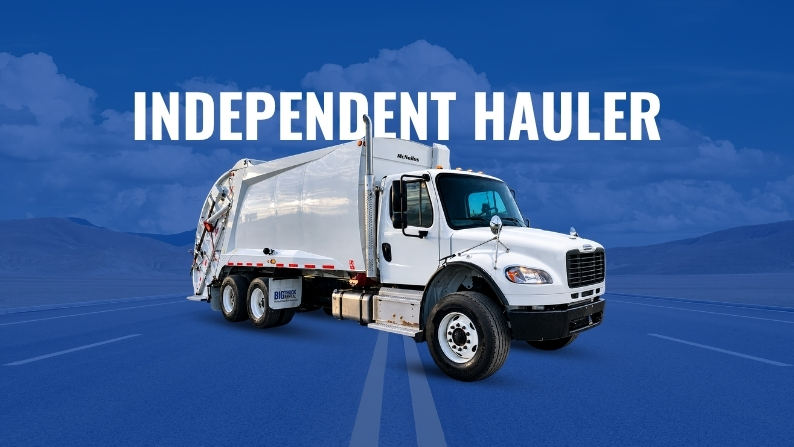
Independent haulers play an important role in waste collection across North America. They often compete with larger organizations while managing daily operations, maintaining equipment, serving customers, and pursuing new growth opportunities.
But growth and profitability are rarely straightforward. Independent haulers regularly face challenges such as aging trucks, unexpected downtime, rising costs, and limited access to capital. Without a reliable fleet strategy, these issues can quickly affect service quality, customer retention, and long-term business growth.
At Big Truck Rental, we work with independent haulers every day and understand the pressures that come with operating a growing waste management fleet. This guide explores some of the most common challenges independent haulers face and practical ways to overcome them.
1. Growth Opportunities Are Coming Faster Than Fleet Expansion
For many independent haulers, growth opportunities arrive before equipment is available to support them.
A new municipal contract, expanded service territory, or additional commercial routes can create immediate demand for more trucks. However, purchasing new equipment often requires significant capital investment and lengthy procurement timelines.
When fleet expansion cannot keep pace with growth, opportunities may be delayed or lost entirely.
How to Overcome It
Flexible fleet solutions for independent haulers respond faster when opportunities arise.
Benefits include:
- Adding trucks without a large upfront capital investment
- Scaling operations quickly for new contracts
- Preserving cash flow for other business priorities
- Avoiding delays associated with equipment purchasing
Having access to additional fleet capacity allows businesses to pursue growth with greater confidence and flexibility.
2. Aging Trucks Lead to Downtime and Higher Repair Costs
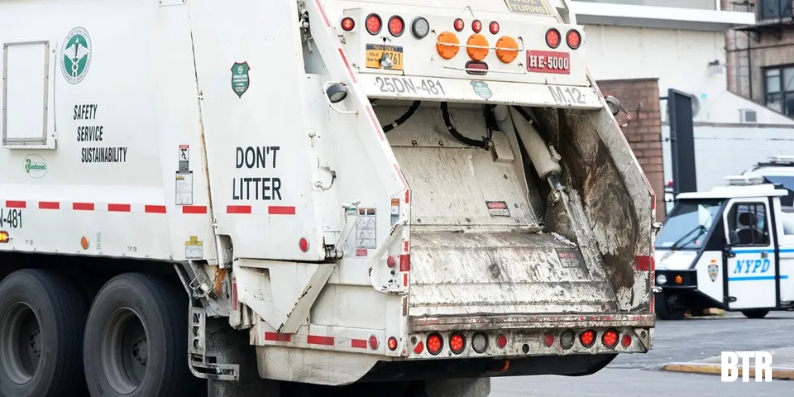
As equipment ages, maintenance requirements increase. What begins as occasional repairs can gradually turn into recurring breakdowns, higher operating costs, and reduced reliability.
Older trucks often spend more time in the shop and less time on routes, creating challenges for both operations and customer service. Over time, the financial risk of older trucks becomes more apparent as repair costs and downtime continue to increase.
Backup vehicles can also become less dependable over time, making it difficult to maintain consistent service levels.
How to Overcome It
Proactive fleet planning can reduce the impact of aging equipment.
Independent haulers should consider:
- Replacing trucks before repair costs become excessive
- Evaluating long-term maintenance trends
- Using garbage truck rentals during repairs or fleet transitions
- Developing a replacement strategy that supports future growth
For many operators, a combination of timely replacements and flexible fleet support can be an effective solution for aging garbage trucks, helping reduce unexpected downtime and improve long-term reliability. A reliable fleet directly improves uptime and strengthens customer service performance.
3. Truck Downtime Can Disrupt Entire Routes
Few operational challenges create more pressure than an unexpected truck breakdown.
When one truck goes out of service, multiple routes may be affected. Drivers must be reassigned, schedules adjusted, and customers accommodated. In some cases, missed pickups can damage customer relationships and increase operational costs.
Emergency repairs often create additional scheduling challenges and strain available resources.
How to Overcome It
Downtime planning should be part of every fleet strategy.
Independent haulers can reduce disruption by:
- Maintaining contingency plans for truck-down situations
- Securing access to short-term garbage truck rentals
- Building flexibility into route planning
- Monitoring equipment performance before failures occur
Fast access to replacement equipment helps keep routes moving while repairs are completed.
4. OEM Lead Times Can Slow Business Growth
Ordering new equipment does not always align with operational timelines.
Manufacturing schedules, supply chain disruptions, and production delays can significantly extend delivery timelines. For growing haulers, waiting months for new trucks can limit expansion opportunities and delay service commitments.
This challenge has become increasingly common throughout the waste industry.
How to Overcome It
Ready-to-deploy fleet solutions can help bridge the gap between business needs and equipment availability.
Independent haulers can:
- Reduce reliance on extended production schedules
- Access equipment faster when demand increases
- Launch routes without waiting for truck deliveries
- Respond more effectively to changing market conditions
Speed to service often creates a competitive advantage in a growing market.
5. Balancing Capital Allocation Is Difficult

Fleet equipment represents one of the largest investments many waste haulers make.
At the same time, businesses also need capital for:
- Containers
- Facilities
- Maintenance operations
- Technology upgrades
- Workforce development
- Business expansion initiatives
Large equipment purchases can limit financial flexibility and restrict future opportunities.
How to Overcome It
Many independent haulers benefit from preserving capital while maintaining access to their fleets.
Strategies may include:
- Reducing large upfront equipment expenditures
- Maintaining borrowing capacity for strategic investments
- Using operating budgets more efficiently
- Aligning fleet costs with operational demand
Greater financial flexibility allows businesses to adapt more easily as conditions change.
6. Maintaining Reliable Service Is Critical for Customer Retention
Customers expect dependable waste collection services every day.
Missed pickups, route disruptions, and inconsistent service can quickly affect customer satisfaction and contract retention. In competitive markets, service reliability often becomes a key differentiator.
Fleet reliability and operational consistency are directly connected to long-term customer relationships.
How to Overcome It
Strong service performance starts with dependable equipment and proactive planning.
Independent haulers can improve service reliability by:
- Prioritizing fleet availability
- Addressing maintenance issues early
- Planning for seasonal demand increases
- Maintaining access to backup equipment when needed
Consistent service helps strengthen customer trust and supports long-term growth.
7. Seasonal Demand and Rapid Growth Create Fleet Pressure
Demand rarely remains constant throughout the year.
Seasonal cleanups, construction activity, municipal contracts, and business growth can create sudden increases in workload. Managing these waste collection seasonal challenges often requires additional truck capacity and operational flexibility. Purchasing extra trucks to meet temporary demand may not always be practical or cost-effective.
Without adequate capacity, fleets may struggle to maintain service levels during busy periods.
How to Overcome It
Flexible fleet strategies provide additional capacity when demand spikes.
Independent haulers can:
- Add trucks during peak seasons
- Support temporary projects and contracts
- Expand capacity without permanent fleet commitments
- Adjust equipment levels as operational needs change
This flexibility helps businesses maintain performance without overinvesting in equipment.
How Big Truck Rental Supports Independent Haulers
Big Truck Rental partners with independent haulers across North America by providing flexible fleet solutions that support growth, uptime, and operational reliability.
Whether responding to new opportunities, managing downtime, or preparing for seasonal demand, BTR helps fleets remain agile without large upfront investments.
Our programs support:
- Short-term and long-term equipment needs
- Emergency replacement trucks
- Route expansion initiatives
- Fleet transition planning
- Operational flexibility during changing business conditions
By providing access to dependable equipment, we help independent haulers focus on serving customers and growing their businesses.
Final Thoughts
Independent haulers face unique challenges that can directly impact growth, profitability, and customer satisfaction. From aging fleets and truck downtime to capital constraints and expanding service demands, operational pressure is a constant reality.
The good news is that many of these challenges can be addressed through proactive fleet planning, reliable access to equipment, and flexible growth strategies.
With the right support and a focus on fleet reliability, independent haulers can position themselves for long-term success while keeping routes running consistently and efficiently.
Keep Your Routes Running With Big Truck Rental
Big Truck Rental helps independent haulers stay flexible with fleet solutions that support growth, reduce downtime, and improve operational reliability.
Contact us to explore truck rental and fleet options that help you respond faster to demand, maintain service consistency, and keep your routes moving smoothly.
FAQs
How can independent haulers improve fleet reliability?
Fleet reliability can be improved through proactive maintenance, planned equipment replacement, access to backup trucks, and flexible fleet strategies that reduce downtime during repairs and peak-demand periods.
Why does truck downtime affect waste operations so much?
A single truck breakdown can impact multiple routes, increase overtime costs, create scheduling issues, and lead to missed pickups. Minimizing downtime helps maintain service consistency and customer satisfaction.
How do OEM lead times impact independent haulers?
Long manufacturing and delivery timelines can delay fleet expansion, route launches, and new contract opportunities. Faster access to equipment helps businesses respond more quickly to operational demands.
How can independent haulers manage growth without large capital investments?
Many haulers use flexible fleet solutions to add equipment when needed rather than making immediate large purchases. This approach helps preserve capital while supporting operational growth.
When does renting a garbage truck make sense for independent haulers?
Garbage truck rental can be useful during seasonal demand spikes, truck repairs, fleet transitions, emergency replacements, and periods of rapid growth when additional capacity is needed quickly.