Environmental fleet management is no longer just about compliance or fuel efficiency. It’s about building smarter, cleaner, more resilient operations that can adapt to rising costs, stricter regulations, and growing sustainability expectations.
Fleet operators today face pressure from every direction. Customers want cleaner services. Cities want lower emissions. Businesses want lower operating costs. At the same time, reliability and uptime still matter just as much as ever.
In this guide, we’ll explore the ways technology is transforming environmental fleet management, including cleaner fuels, smart systems, and digital tools that help fleets operate efficiently while minimizing environmental impact.
Technologies Transforming Environmental Fleet Management
Electric and Alternative Fuel Technology
Clean energy systems are no longer optional. Hybrid and electric vehicles help fleets reduce fuel consumption and lower emissions, while compressed natural gas (CNG) trucks provide cleaner-burning alternatives to traditional diesel engines.
Fleets are also diversifying energy strategies by integrating alternative fuels alongside existing vehicles. This allows businesses to transition gradually without disrupting operations. Proper planning for charging and fueling infrastructure ensures vehicles remain operational and ready to meet service demands every day.
Telematics and Fleet Tracking Systems
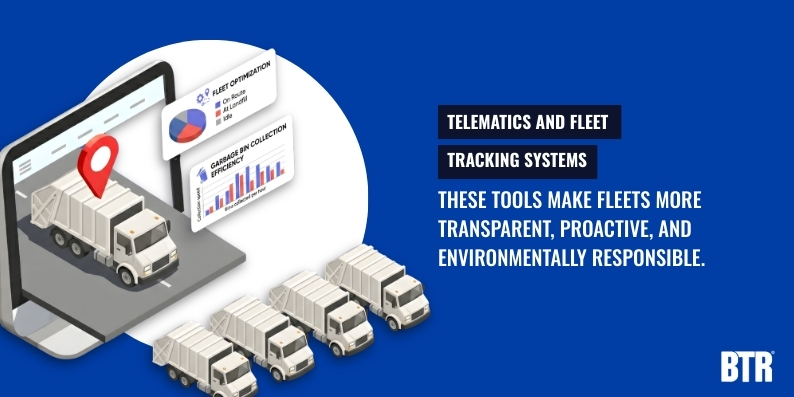
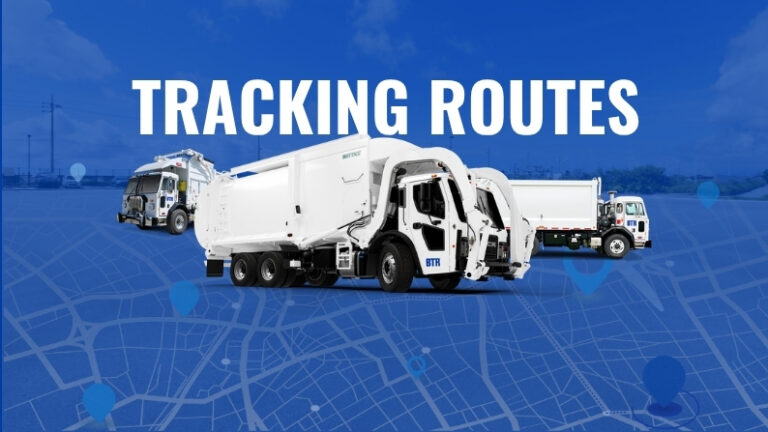
Telematics and fleet tracking have transformed how operators manage efficiency. Real-time GPS tracking helps optimize routes, reduce fuel consumption, and improve overall fleet performance.
Additional benefits include:
- Monitoring vehicle health and detecting maintenance needs early
- Tracking driver behavior for safer, more efficient operation
- Reducing idle time to lower fuel waste
- Receiving automated maintenance alerts to prevent costly breakdowns
These tools make fleets more transparent, proactive, and environmentally responsible.
Smart Route Optimization Technology
Route efficiency is a major driver of sustainability. AI-powered route planning and traffic analysis help reduce unnecessary miles, shorten travel times, and lower emissions.
Modern route optimization systems also support load balancing, ensuring vehicles carry the right amount of waste or cargo per trip. Smarter routing directly translates into fuel savings, reduced environmental impact, and improved service reliability.
Predictive Maintenance Technology
Predictive maintenance systems use sensors and diagnostics to monitor vehicles and detect mechanical issues before failure. By scheduling maintenance automatically, fleets experience fewer breakdowns and less roadside downtime.
This approach reduces waste from premature part replacements and extends vehicles’ overall lifespan. Predictive maintenance isn’t just cost-effective, it’s a key tool for greener fleet operations.
Digital Fleet Management Platforms
Centralized fleet management platforms allow operators to monitor performance, track emissions, and manage compliance in one place. Features often include:
- Real-time dashboards for vehicle and route visibility
- Automated compliance reporting
- Emissions tracking and sustainability metrics
- Data-driven insights to guide fleet planning
These platforms turn raw operational data into actionable strategies, helping fleets meet sustainability goals without sacrificing efficiency.
Automation and Smart Vehicle Systems
Automation supports cleaner, safer fleet operations. Smart braking, engine management, and energy-efficient driving systems optimize performance while reducing fuel use. Other systems, such as load balancing and efficiency monitoring, further improve environmental performance without adding operational complexity.
These innovations point toward the future of autonomous garbage trucks, where vehicles could operate with minimal human intervention, improving efficiency, safety, and sustainability across fleets.
How Technology Supports Environmental Goals
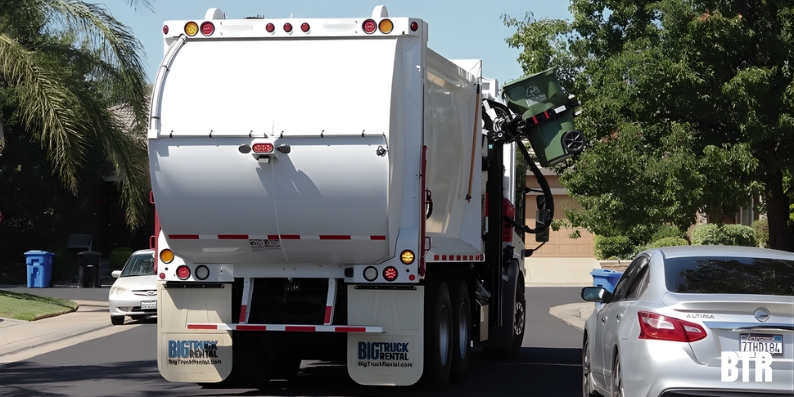
Technology in environmental fleet management delivers measurable benefits:
- Reduced carbon emissions through cleaner fuels and smarter routing
- Lower fuel consumption and operating costs
- Cleaner energy adoption across the fleet
- Less mechanical waste due to predictive maintenance
- Longer vehicle lifespan
- Improved compliance with environmental regulations
With BTR’s modern garbage trucks, fleets can adopt these technologies while improving efficiency, cutting costs, and reducing environmental impact.”
The Future of Environmental Fleet Management
Looking ahead, environmental fleet management will continue to evolve. Fleets will expand the use of alternative fuel systems, integrate more data-driven decision-making, and place greater emphasis on sustainability reporting. Automation and AI tools will become standard, helping operators make smarter, cleaner, and more efficient choices across the entire operation.
The future will reward businesses that adopt these technologies early. Fleets that are smarter, cleaner, and more responsive to environmental goals will gain operational, financial, and reputational advantages.
Final Thoughts
Technology is reshaping environmental fleet management in practical, measurable ways. Cleaner fuels, smart tracking, predictive maintenance, and digital platforms now guide how fleets operate and reduce environmental impact. Businesses that invest in these systems today are better positioned for long-term sustainability, lower operating costs, and reliable service.
Build a Smarter, Cleaner Fleet
Big Truck Rental helps businesses modernize their fleets with cleaner vehicles, smarter systems, and flexible rental solutions that support environmental goals. With access to technology-ready trucks and alternative-fuel options, fleets can improve efficiency while remaining reliable.
If you’re ready to take the next step, contact us to explore fleet options, rental solutions, and technology-enabled vehicles that reduce emissions, lower costs, and keep your operations moving forward responsibly.
FAQs
What is environmental fleet management?
It’s the process of running a fleet more sustainably, reducing emissions, lowering fuel use, and improving operational efficiency.
How does technology improve fleet sustainability?
Technology helps track fuel consumption, optimize routes, monitor vehicle health, and manage emissions, resulting in cleaner, more efficient operations.
Are alternative fuel vehicles expensive to maintain?
While upfront costs can be higher, fuel savings, fewer repairs, and longer vehicle lifespans often offset initial expenses.
Can small fleets benefit from green fleet technology?
Yes. Even small fleets see improved fuel efficiency, lower costs, and better regulatory compliance.
What is the first step to building a sustainable fleet?
Start with data. GPS tracking, route monitoring, and performance metrics provide a clear picture to guide environmental improvements.