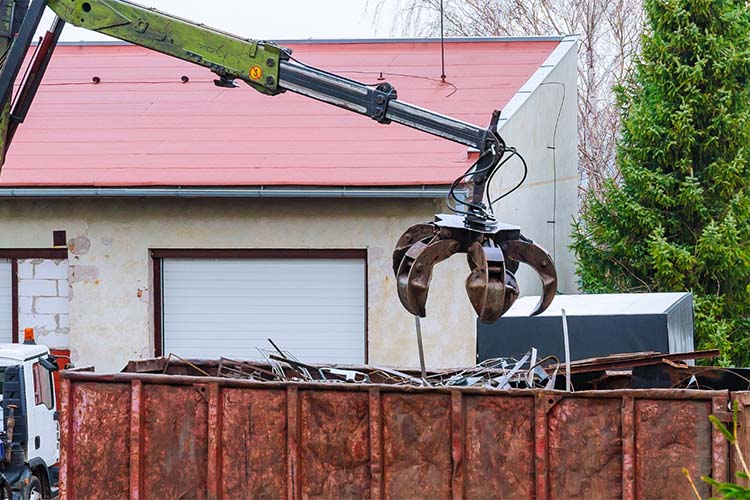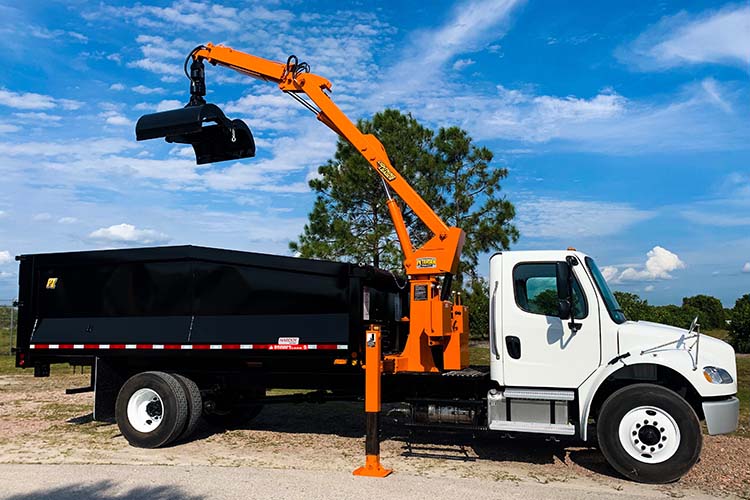
Grapple trucks are built to handle some of the most demanding waste collection and debris removal tasks. Whether they’re clearing storm debris, loading construction materials, collecting bulky waste, or removing fallen trees, these trucks rely on powerful hydraulic systems and heavy-duty components to perform safely and efficiently.
Because they operate under tough conditions, grapple truck maintenance plays a critical role in keeping equipment reliable, reducing unexpected downtime, and extending the life of major components. A proactive maintenance program not only helps prevent costly repairs but also improves operator safety and keeps projects on schedule.
This guide covers the main areas to inspect, routine maintenance practices to follow, and how grapple truck rental can simplify maintenance responsibilities for your fleet.
Why is Grapple Truck Maintenance Important
Unlike standard refuse trucks, grapple trucks perform repetitive lifting, rotating, and loading operations throughout the workday. While the maintenance requirements may vary slightly between different types of grapple trucks, they all place significant stress on the hydraulic system, boom assembly, grapple attachment, and supporting components. These continuous movements can accelerate wear if equipment is not properly maintained.
Routine maintenance helps fleets:
- Improve equipment reliability
- Reduce unplanned downtime
- Extend the service life of major components
- Improve operator safety
- Lower long-term repair costs
- Maintain consistent lifting performance
Whether a grapple truck operates every day or only during seasonal cleanup projects, preventive maintenance helps ensure it’s ready whenever it’s needed.
Main Grapple Truck Components to Inspect Regularly
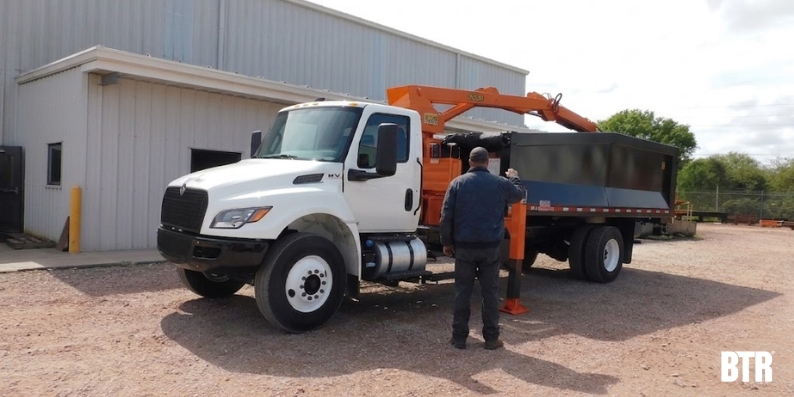
A grapple truck combines the functions of a commercial truck with specialized hydraulic lifting equipment. Regular inspections should focus on both systems to keep the vehicle operating safely and efficiently.
Boom Assembly
The boom performs most of the heavy lifting and experiences constant stress during daily operation. Over time, pins, bushings, welds, and structural components naturally wear from repeated lifting cycles.
During inspections, check for:
- Worn pivot pins and bushings
- Loose hardware
- Cracked welds
- Structural damage
- Corrosion
- Excessive movement during operation
Identifying wear early can help prevent larger structural repairs and reduce downtime.
Hydraulic System
The hydraulic system powers every movement of the boom and grapple, making it one of the most important systems on the truck.
Routine inspections should include:
- Hydraulic hoses
- Hydraulic cylinders
- Pumps
- Control valves
- Rotation bearings
- Hydraulic fluid levels
- Hydraulic filters
Look for leaks, damaged hoses, slow hydraulic response, or unusual noises. Addressing these issues early helps prevent more extensive hydraulic failures.
Grapple Attachment
The grapple attachment experiences constant contact with heavy, irregular materials such as tree limbs, construction debris, concrete, appliances, and bulky waste.
Inspect the grapple for:
- Bent or damaged tines
- Loose mounting hardware
- Worn pivot points
- Hydraulic cylinder wear
- Uneven opening or closing movement
Maintaining the grapple helps ensure safe lifting performance while reducing unnecessary wear on the hydraulic system.
Outriggers and Stabilizers
Outriggers provide the stability needed whenever the boom is extended to lift heavy materials. Because they support significant loads, they should be inspected regularly.
Check the following components:
- Hydraulic cylinders
- Slider pads
- Locking mechanisms
- Pins
- Foot pads
Properly functioning stabilizers improve lifting safety while reducing stress on the truck’s frame.
Truck Chassis
Although the grapple system receives much of the attention, the truck itself also requires regular maintenance to remain reliable.
Inspect:
- Tires
- Brakes
- Steering components
- Suspension
- Frame
- Lights
- Mirrors
Routine chassis maintenance helps keep the truck safe both on public roads and at active job sites.
Electrical System
Modern grapple trucks rely on electrical components to operate lighting, controls, cameras, warning systems, and various safety technologies. Inspect regularly for:
- Damaged wiring
- Loose electrical connections
- Blown fuses
- Battery condition
- Dashboard warning lights
- Backup camera operation
Addressing electrical issues early helps prevent unexpected interruptions during daily operations.
Preventive Maintenance for Grapple Trucks
Preventive maintenance is one of the most effective ways to maximize equipment life while reducing unexpected repair costs. Instead of waiting for components to fail, routine servicing helps identify small issues before they become larger problems.
Some recommended best practices include:
- Complete a pre-trip inspection before every shift.
- Lubricate all grease points according to the manufacturer’s recommendations.
- Check hydraulic fluid levels and replace filters at scheduled intervals.
- Tighten loose fasteners before they cause additional wear.
- Remove debris from moving components after each workday.
- Investigate unusual noises, leaks, or slow hydraulic performance immediately.
- Follow the manufacturer’s recommended maintenance schedule for inspections and servicing.
A consistent preventive maintenance program helps improve reliability, reduce downtime, and keep grapple trucks performing efficiently throughout their service life.
Common Signs Your Grapple Truck Needs Service
Even with a preventive maintenance program, components will eventually wear out over time. Recognizing early warning signs can help prevent more extensive damage and reduce the likelihood of unexpected downtime.
Watch for the following signs that your grapple truck may need service:
- Slow or jerky boom movement
- Hydraulic fluid leaks
- Unusual noises during lifting or rotation
- Reduced lifting capacity
- Excessive vibration while operating
- Dashboard warning lights
- Uneven grapple movement
- Difficulty extending or retracting outriggers
If any of these issues appear, the truck should be inspected before returning to normal operation. Addressing small problems early is often less expensive than repairing major component failures later.
Maintenance Tips to Extend Grapple Truck Life
Regular servicing goes a long way, but the way a grapple truck is operated each day also affects its lifespan. Following good operating practices helps reduce unnecessary wear on critical components and keeps equipment performing reliably. Some simple ways to extend the life of your grapple truck include:
- Avoid lifting loads beyond the truck’s rated capacity.
- Operate the boom using smooth, controlled movements.
- Keep the grapple attachment clean after each shift.
- Store the truck properly when it is not in use.
- Repair hydraulic leaks as soon as they are discovered.
- Replace worn parts before they affect other components.
- Follow the manufacturer’s recommended maintenance schedule.
Combining proper operation with routine servicing helps maximize equipment life while reducing long-term maintenance costs.
How Renting Can Reduce Maintenance Responsibilities
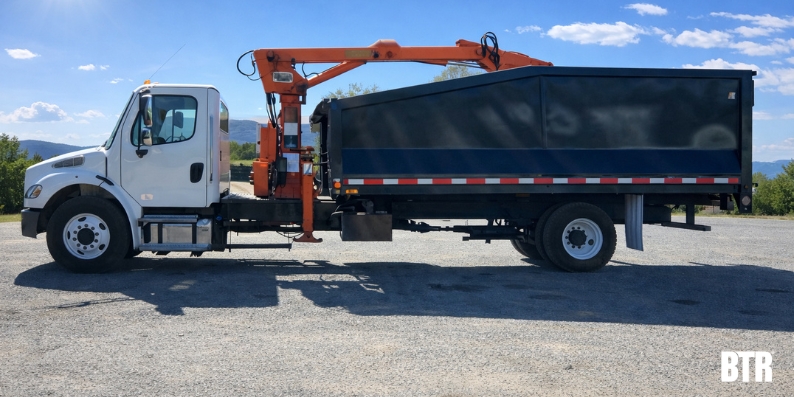
Owning a grapple truck means planning for ongoing maintenance, unexpected repairs, and equipment downtime throughout the vehicle’s life. For many organizations, those responsibilities can become both time-consuming and expensive.
Grapple trucks for rent offer a practical alternative. Instead of managing major repair costs, fleets can access dependable equipment while reducing many of the long-term maintenance responsibilities associated with ownership.
With Big Truck Rental, customers are responsible for routine preventive maintenance during the rental period, while qualifying repairs are handled by our team. This allows operators to stay focused on their projects instead of dealing with major equipment repairs or extended downtime.
Garbage truck rental can be especially beneficial for:
- Storm cleanup operations
- Seasonal debris removal
- Temporary contracts
- Emergency truck replacements
- Fleet expansion during peak demand
For many municipalities, contractors, and waste haulers, renting provides the flexibility to add specialized equipment only when it’s needed.
Final Thoughts
Proper maintenance of grapple trucks is essential for keeping equipment safe, reliable, and productive. Regular inspections of the boom, hydraulic system, grapple attachment, outriggers, electrical components, and truck chassis help identify wear before it leads to costly repairs. Following a preventive maintenance program not only reduces downtime but also extends equipment life and improves day-to-day performance. For organizations that need additional capacity without assuming full ownership responsibilities, renting can provide a flexible solution while simplifying long-term maintenance planning.
Keep Your Grapple Truck Fleet Ready for the Job
Whether you need additional equipment for storm cleanup, bulky waste collection, or temporary projects, Big Truck Rental provides dependable grapple trucks, backed by flexible rental solutions, to keep your operation moving.
Contact us today to learn more about our grapple truck rental options and find the right equipment to support your fleet.
FAQs
How often should a grapple truck be serviced?
Service intervals depend on the manufacturer’s recommendations, operating hours, and working conditions. Daily inspections, scheduled preventive maintenance, and routine servicing help keep the truck operating safely and efficiently.
Which parts of a grapple truck require the most maintenance?
The boom assembly, hydraulic system, grapple attachment, outriggers, electrical system, and truck chassis typically require the most frequent inspections because they experience significant wear during daily operation.
What are common signs that a grapple truck needs repairs?
Common warning signs include hydraulic leaks, slow boom movement, unusual noises, reduced lifting performance, dashboard warning lights, excessive vibration, and uneven grapple operation.
Does preventive maintenance reduce downtime?
Yes. Preventive maintenance helps identify minor issues before they develop into major repairs, improving fleet reliability and reducing unexpected downtime.
Is renting a grapple truck better than buying?
For many fleets, renting provides lower upfront costs, faster access to equipment, and greater flexibility during seasonal demand, emergency response, truck-down situations, or temporary projects. It also reduces many of the long-term maintenance responsibilities associated with ownership.