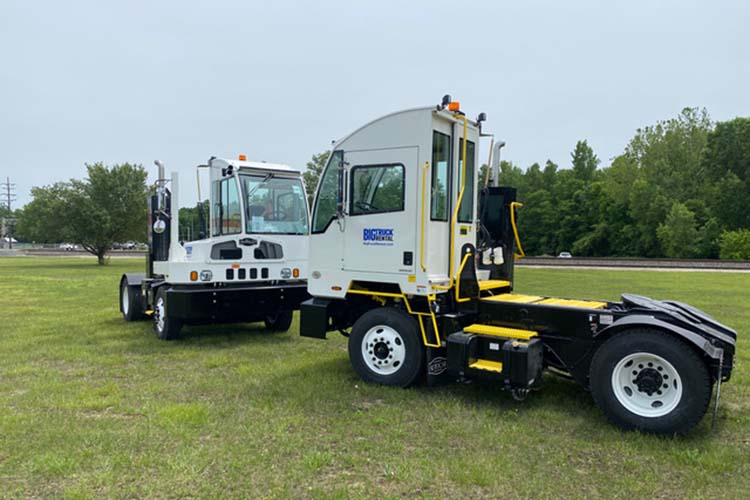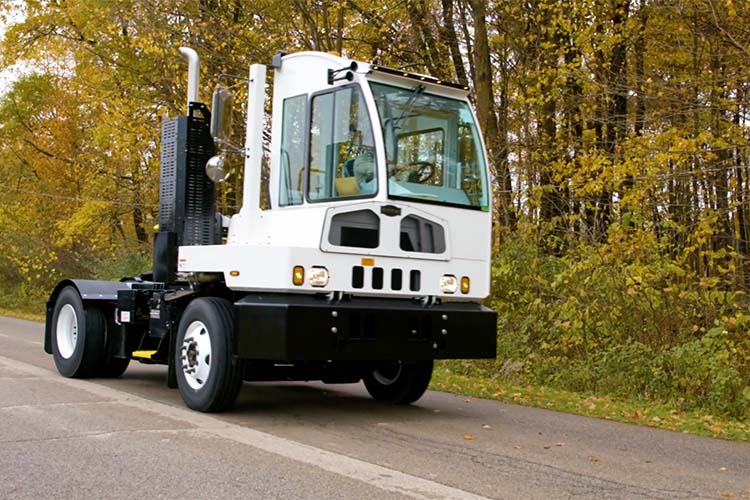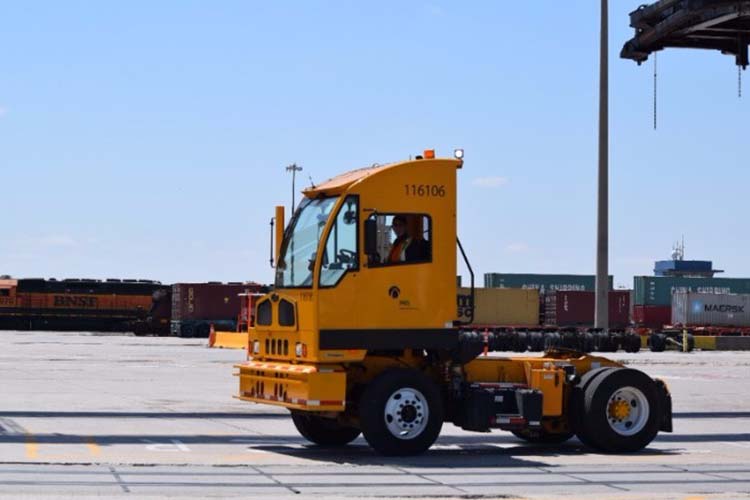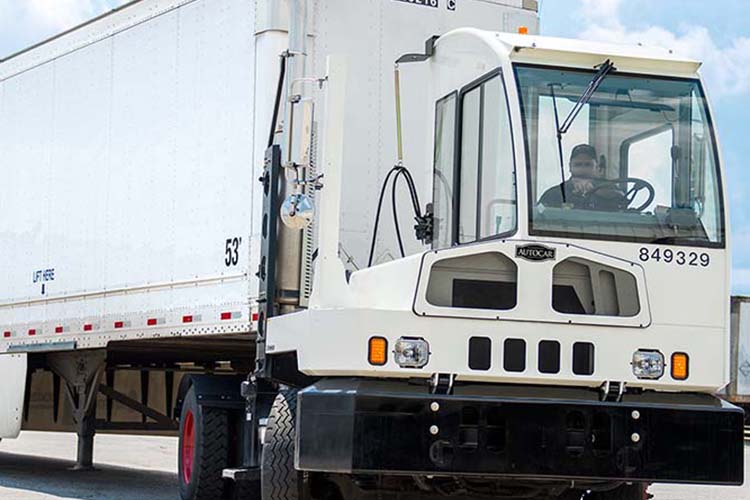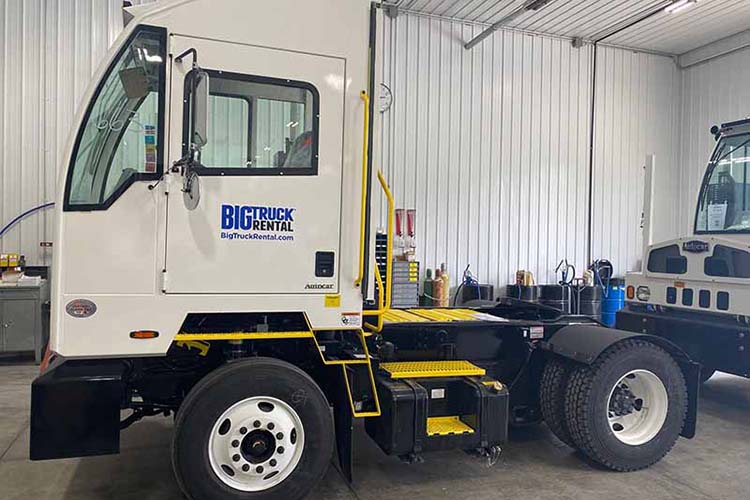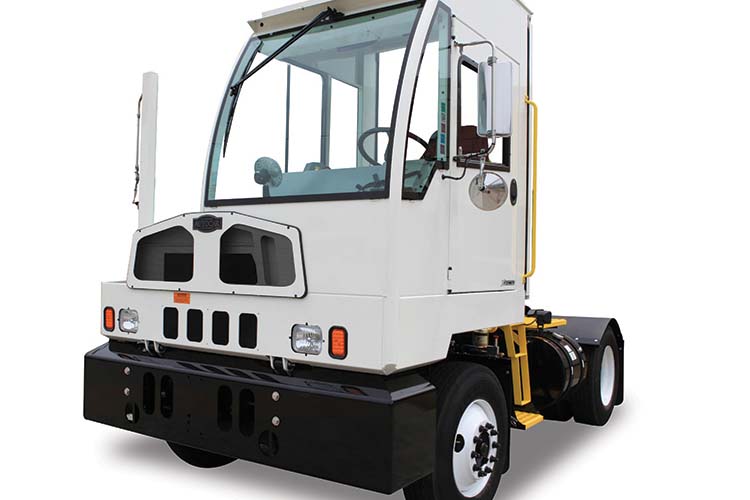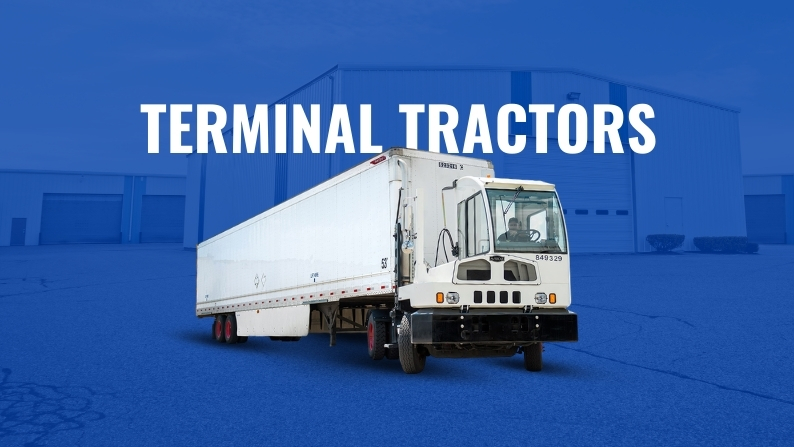
Most people see a terminal tractor moving containers around a yard and don’t think much about what’s going on beyond the driver’s seat. But inside these machines, there’s a lot happening that keeps operations running smoothly, from specialized hydraulics and transmission systems to safety features and load-handling controls. Understanding how a terminal tractor works behind the scenes can help operators, managers, and anyone working in logistics make better decisions and keep the yard running safely and efficiently.
In this guide, we’ll take you through what happens inside a terminal tractor, explain how its systems work together, and outline the features that set it apart from a standard truck or forklift.
The Operator’s View: Where Everything Starts
One interesting fact about terminal tractors is how their cabs are designed for maximum visibility. Elevated seats and large windows provide operators with a 360-degree view, letting them navigate crowded yards safely.
Operators handle frequent starts and stops, making tight turns between trailers and docks. A clear line of sight is critical, especially when multiple trucks and workers move around the same area.
In busy facilities, the operator’s perspective is the first step in making yard operations efficient and accident-free.
Controls That Keep Yard Traffic Moving
Terminal tractors are built for precision at low speeds. Steering, braking, and throttle controls are simple yet responsive.
Many modern yard trucks feature push-button controls and automatic transmissions, reducing operator fatigue and helping maintain consistent movement during repetitive trailer moves.
The simpler the controls, the easier it is for drivers to keep trailers moving without delays, making the yard flow faster and safer.
The Fifth Wheel and Lift System at Work
A terminal tractor’s fifth wheel and lift system allow operators to attach and detach trailers without manual cranking.
This system accelerates trailer spotting, reduces physical strain on drivers, and ensures cargo can move in and out of docks efficiently.
Quick, precise connections improve productivity, especially during peak hours at high-traffic facilities.
Safety Systems Supporting Every Move
Safety is built into every terminal tractor’s design. Cameras, mirrors, and visibility aids help operators see blind spots.
Stability systems handle uneven surfaces, helping the truck remain stable during trailer lifts or sharp turns.
These safety features reduce accidents and trailer damage, making yard operations smoother and more reliable.
What Happens During a Typical Trailer Move
A standard trailer move involves several careful steps:
- Approach safely: Operators align the truck with the trailer, checking mirrors and cameras.
- Connect and lift: The fifth wheel secures the trailer while the lift system engages.
- Spot the trailer: Drivers reposition it accurately at the dock.
Even though it appears simple, each step requires careful control to ensure efficiency and safety.
Designed for Constant Stop-and-Go Use
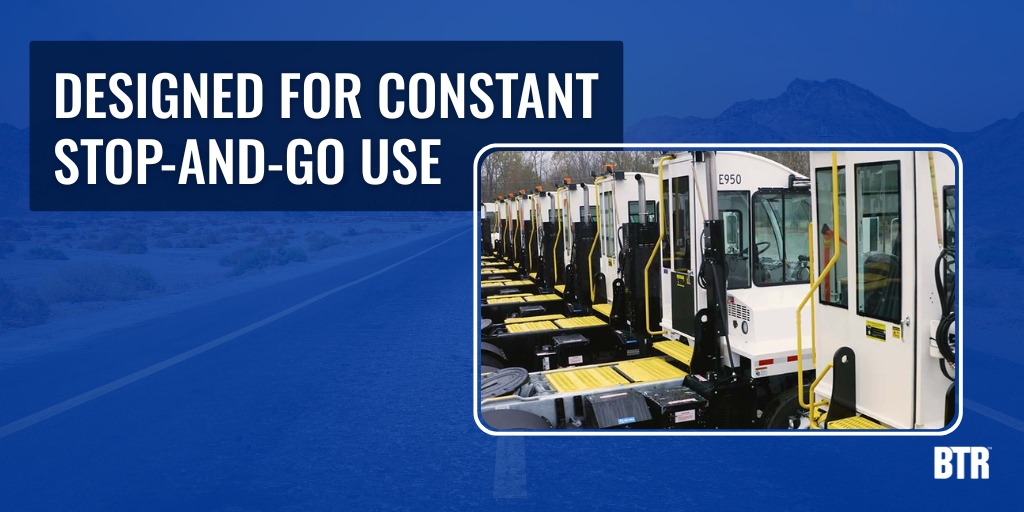
Terminal tractors are engineered for low-speed, high-torque work. They’re built to handle constant stops, starts, and short-distance moves without straining the engine. One of the terminal tractor specifications is its low-speed, high-torque engine paired with a reinforced drivetrain, which enables efficient movement of heavy trailers while remaining reliable in busy yards.
Cooling and drivetrain systems are optimized for these repetitive motions. Unlike highway trucks, yard tractors are not meant for long-distance road travel. Their design keeps them strong and reliable inside busy facilities.
Technology Inside Modern Terminal Tractors
Many modern terminal tractors include telematics that track idle time, usage, and maintenance needs.
Data collected from these systems helps fleet managers plan efficient routes, reduce fuel waste, and track each truck’s performance.
Operators and managers rely on these insights to make yard operations faster, safer, and more cost-effective.
Why These Features Matter for Yard Operations
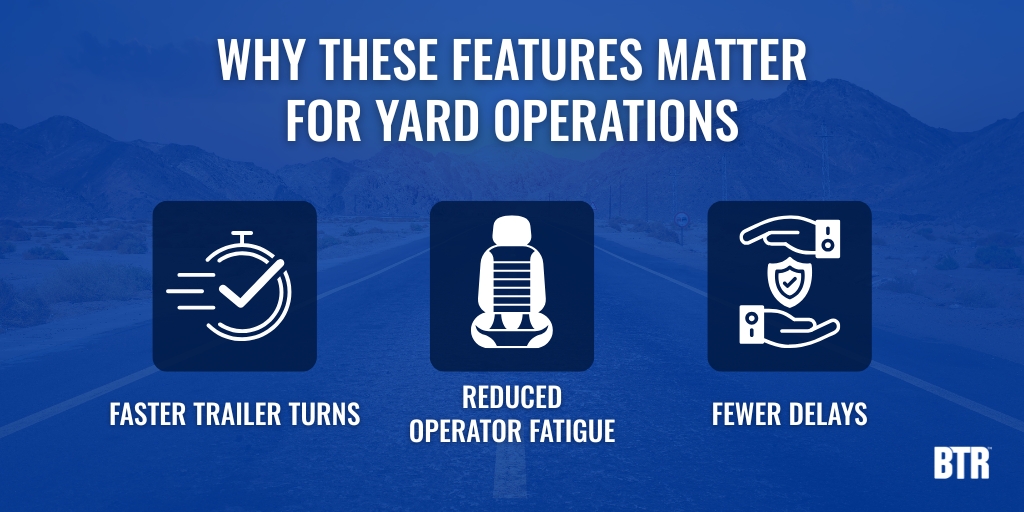
Terminal tractors are small but mighty. Here’s why their design makes a difference:
- Faster trailer turns: Efficient connections reduce dock bottlenecks.
- Reduced operator fatigue: Ergonomic design and automated systems make work easier.
- Fewer delays: Safety and control systems prevent accidents that could disrupt cargo flow.
Understanding these features explains why terminal tractors are crucial for modern logistics facilities.
How Big Truck Rental Helps Fleets Access Modern Terminal Tractors
Big Truck Rental works with yard fleets every day and understands how these features affect real-world operations.
With short- and long-term rental options, fleets can access modern terminal tractors with advanced controls, safety systems, and efficient operations without purchasing new equipment.
Rentals also help cover seasonal peaks, maintenance downtime, and new contracts, keeping trailers moving and operations running smoothly.
Final Thoughts
Terminal tractors may seem simple from the outside, but a lot is happening inside each truck. From operator controls and safety systems to advanced lifting mechanisms, these trucks keep trailers moving efficiently and safely in busy yards. Knowing what happens inside a terminal tractor highlights why fleets rely on these vehicles for modern logistics and yard operations.
Explore Terminal Tractors With Big Truck Rental
Big Truck Rental provides logistics businesses with access to modern terminal tractors for sale and for rent, built for safe, efficient yard operations.
Reach out to us today to explore flexible rental options that keep your trailers moving, reduce downtime, and help your yard run smoothly.
FAQs
What makes terminal tractors different from regular trucks?
Terminal tractors are designed for short-distance, low-speed yard work. They have specialized lift systems, enhanced visibility, and safety features to move trailers efficiently in tight spaces.
Can terminal tractors operate on highways?
No. These trucks are built for stop-and-go yard operations. Their engines prioritize torque over high-speed performance, making them unsuitable for highway travel.
How do operators attach trailers quickly?
Terminal tractors use a fifth wheel with a built-in lift system. Operators can connect and lift trailers with minimal effort, speeding up spotting and docking.
What safety features do terminal tractors have?
Modern terminal tractors include cameras, mirrors, stability systems, and ergonomic controls to reduce accidents and improve operator safety during every move.
How does technology improve yard operations?
Telematics tracks truck usage, idle time, and maintenance needs. Managers can use this data to plan efficient routes, reduce fuel waste, and improve overall workflow.