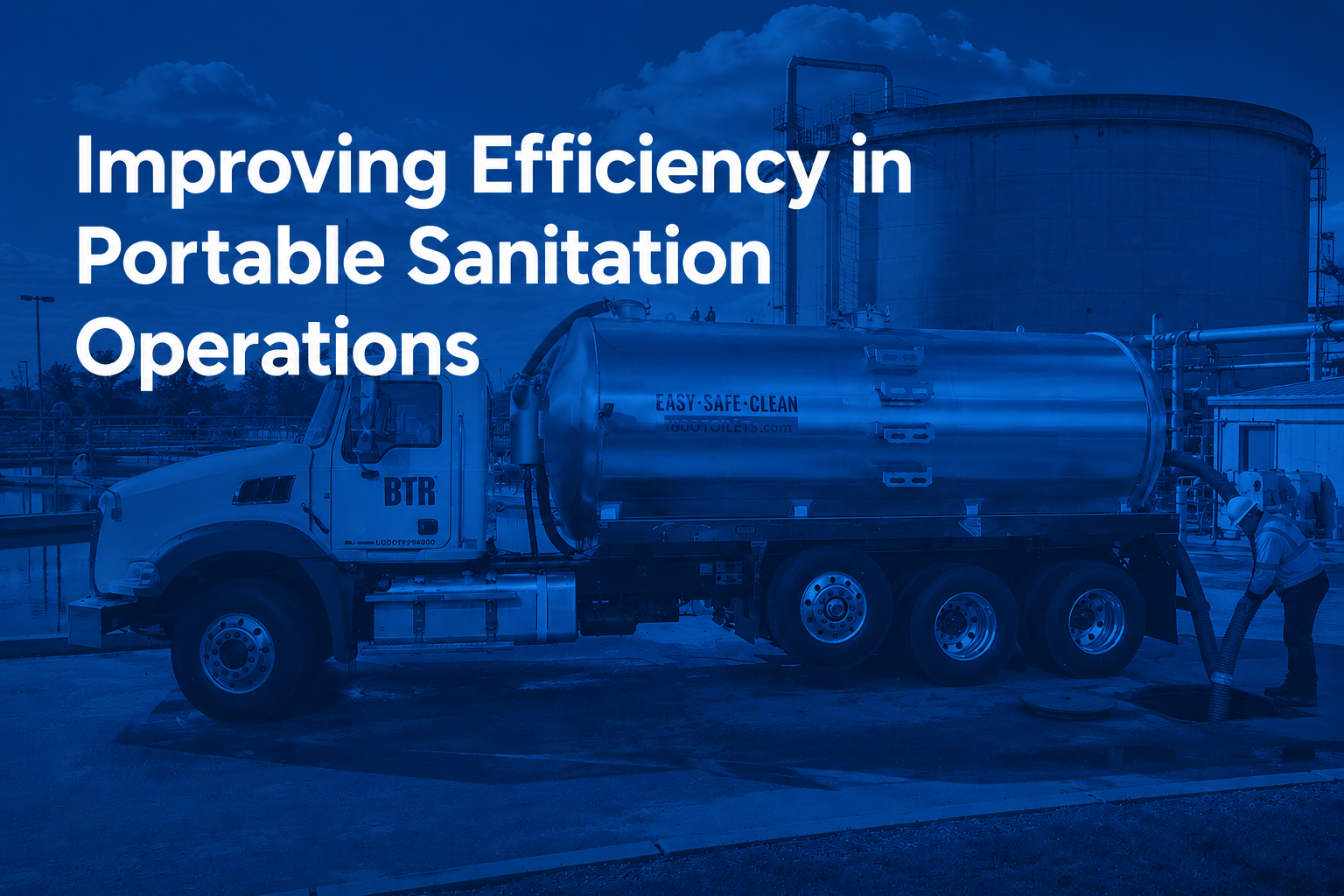
In the portable sanitation industry, profitability is often determined long before a truck arrives at a customer location.
It starts with the route.
As labor costs rise, fuel prices fluctuate, disposal facilities become harder to access, and customer expectations increase, operators are under pressure to service more units with fewer resources.
The companies gaining an advantage are focusing on two critical areas:
- Route optimization
- Fleet reliability
Together, these operational strategies can significantly improve efficiency, profitability, and customer satisfaction.
Why Route Optimization Matters
Every mile driven impacts the bottom line.
Modern route optimization strategies allow portable sanitation operators to:
- Complete more stops per day
- Reduce fuel consumption
- Lower labor costs
- Improve customer service
- Reduce equipment wear
Industry experts note that route efficiency has become one of the most important drivers of profitability for portable sanitation operators, particularly as service territories continue to expand.
The goal isn’t simply driving fewer miles.
The goal is maximizing the productivity of every truck, every route, and every employee.
Technology Is Changing Operations
Today’s operators are increasingly using:
- GPS tracking
- Route optimization software
- Digital service verification
- Fleet telematics
- Maintenance tracking systems
These technologies provide better visibility into operations and help managers make data-driven decisions.
However, technology alone cannot solve operational challenges.
The fleet itself still matters.
The Missing Piece: Reliable Equipment
Even the most optimized route falls apart when a truck goes down.
Unexpected downtime creates:
- Missed service appointments
- Overtime costs
- Customer complaints
- Scheduling disruptions
- Revenue loss
As operators continue improving routing and technology, fleet reliability has become increasingly important.
Every breakdown reduces the efficiency gains operators work hard to achieve.
Why Fleet Age Impacts Efficiency
Older trucks often require:
- More frequent repairs
- Increased maintenance spend
- Additional downtime
- Greater scheduling uncertainty
For growing operators, this creates a difficult balancing act between controlling capital expenditures and maintaining operational performance.
Many companies find themselves spending valuable time managing repairs rather than growing the business.
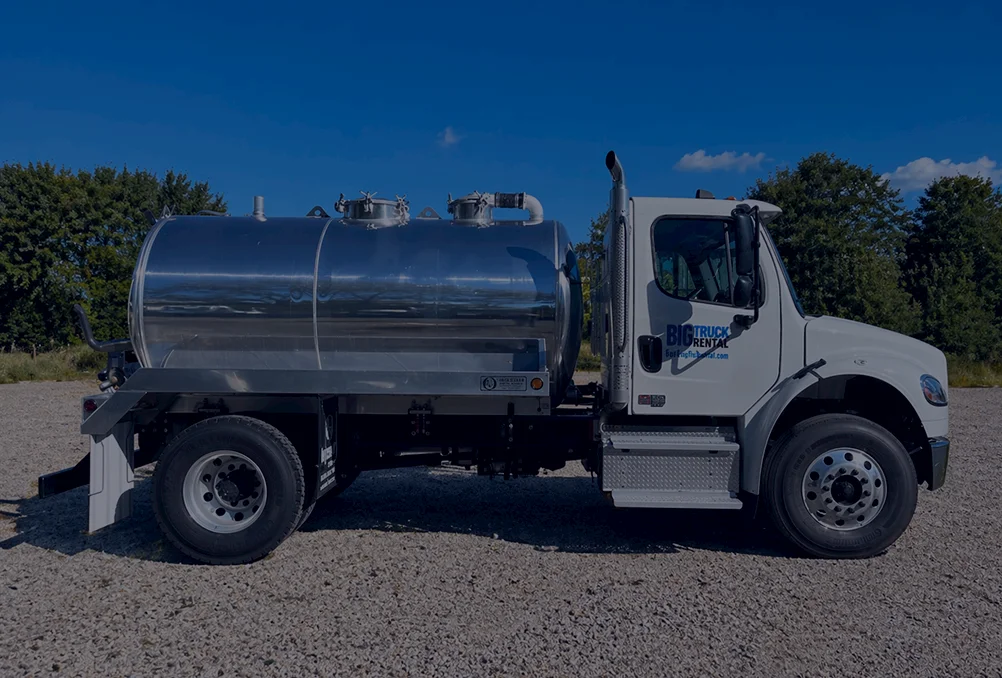
How BTR Helps Specialty Waste Operators Stay Productive
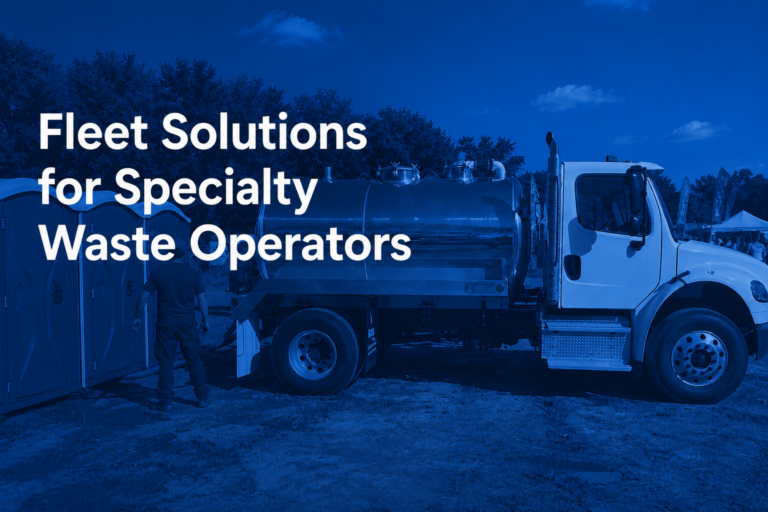
At BTR, we help specialty waste and portable sanitation operators maintain operational flexibility with fleet solutions designed to support growth and uptime.
Whether you need:
- Additional capacity during peak demand
- A replacement for a down truck
- Fleet support during maintenance events
- A long-term fleet modernization strategy
BTR provides access to newer equipment that helps operators stay productive and focused on serving customers.
Our specialty waste fleet solutions support operators who need dependable equipment without the long lead times or significant upfront investment associated with purchasing new trucks.
The Future Belongs to Efficient Operators
The portable sanitation industry continues to evolve.
Growing demand, workforce challenges, disposal constraints, and rising operating costs are forcing operators to find new ways to improve efficiency.
The most successful companies will focus on:
- Route optimization
- Data-driven decision making
- Fleet reliability
- Operational flexibility
Because in today’s environment, efficiency isn’t just an operational goal.
It’s a competitive advantage.
Frequently Asked Questions
What is route optimization in portable sanitation?
Route optimization uses technology and planning strategies to reduce drive time, improve service efficiency, and maximize the number of units serviced per day.
How does route optimization improve profitability?
More efficient routes can reduce fuel costs, labor expenses, equipment wear, and overall operating costs while increasing daily productivity.
Why is fleet reliability important for portable sanitation companies?
Reliable trucks help operators maintain service schedules, avoid costly downtime, and maximize route efficiency.
What technology is being used in portable sanitation fleets?
Many operators use GPS tracking, telematics, route optimization software, digital service verification, and maintenance management systems.
How can renting trucks support route efficiency?
Rental trucks can replace down units, add capacity during peak periods, and help operators avoid service disruptions.
What specialty waste trucks does BTR offer?
BTR provides fleet solutions for portable sanitation, vacuum truck operations, pumper services, liquid waste transportation, and other specialty waste applications.