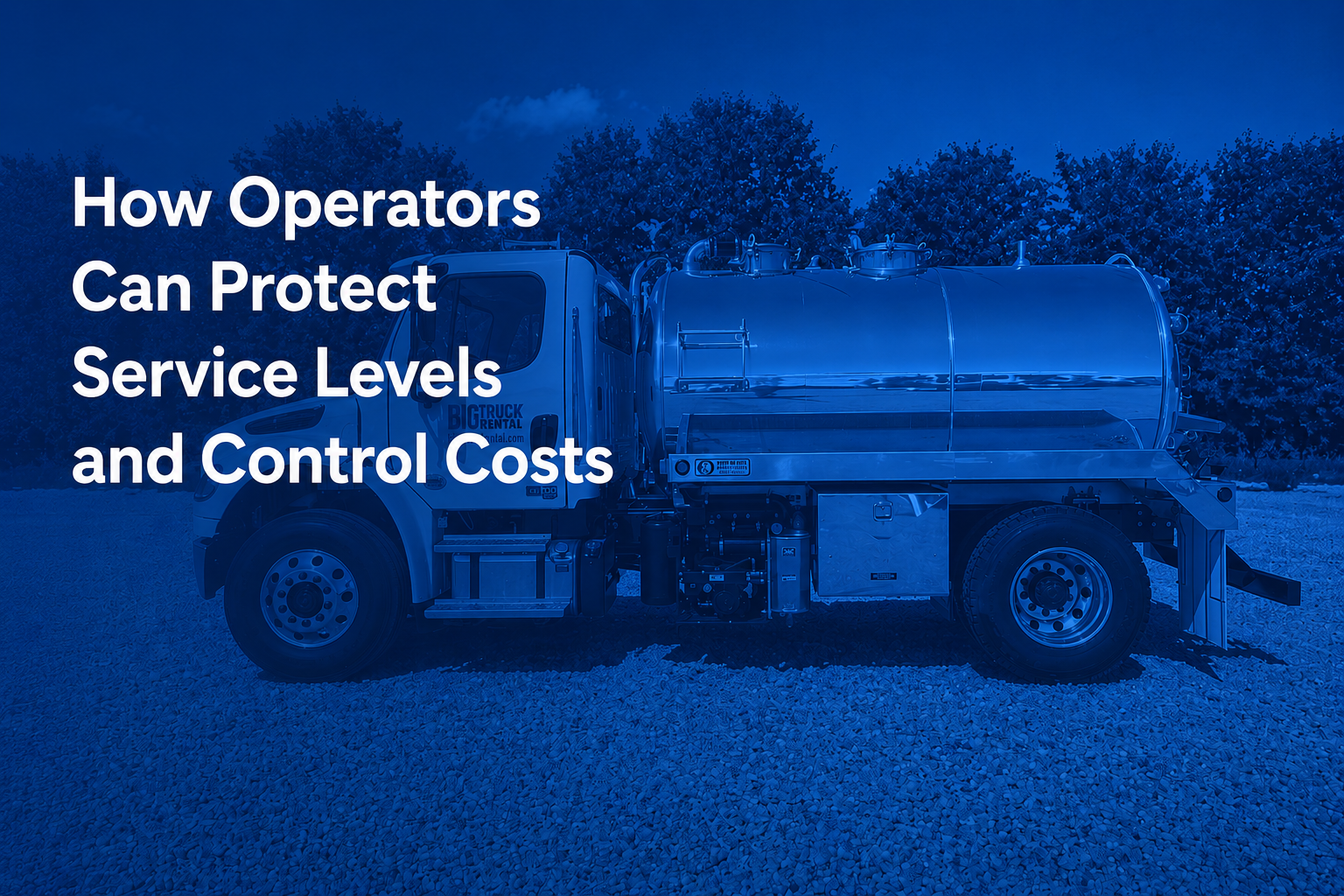
For many portable sanitation operators, the biggest challenge isn’t finding customers.
It’s finding places to legally and efficiently dispose of wastewater.
Across North America, operators are facing increasing disposal restrictions, longer travel distances to treatment facilities, rising disposal costs, and growing regulatory scrutiny. What was once a routine operational task has become a significant business challenge affecting profitability, route efficiency, customer service, and growth.
The portable sanitation industry is increasingly discussing what many organizations have called a national disposal crisis as treatment infrastructure struggles to keep pace with demand. Industry research has found that many wastewater treatment facilities are limiting acceptance volumes, restricting portable sanitation waste, or refusing it altogether. As a result, operators are traveling farther than ever to dispose of waste properly.
Why Disposal Challenges Matter
When disposal locations become harder to access, the impact extends far beyond tipping fees.
Operators often experience:
- Increased fuel costs
- More driver hours per route
- Reduced daily service capacity
- Higher equipment utilization
- Additional wear and tear on trucks
- Greater risk of missed service windows
In many cases, a truck that previously completed multiple service routes per day now spends valuable time driving to distant disposal facilities.
The result is simple: fewer units serviced, higher operating costs, and reduced profitability.
The Hidden Cost of Longer Disposal Runs
Most operators focus on disposal fees when evaluating costs.
However, the larger expense is often the fleet itself.
Every additional mile creates:
- More maintenance requirements
- Increased fuel consumption
- Additional tire wear
- Higher depreciation
- Greater risk of unexpected downtime
When trucks are spending more time on the road, uptime becomes increasingly important.
A single down truck can quickly disrupt routes, impact customer service, and create scheduling challenges for already stretched operations.
Why Fleet Reliability Matters More Than Ever
As disposal challenges continue to increase, portable sanitation operators need fleets they can depend on.
A truck sitting in a repair shop cannot service units, generate revenue, or help operators overcome longer disposal routes.
That’s why many specialty waste providers are reevaluating how they manage their fleets.
Rather than investing significant capital into aging equipment that requires increasing maintenance, operators are looking for ways to maintain predictable costs while maximizing uptime.
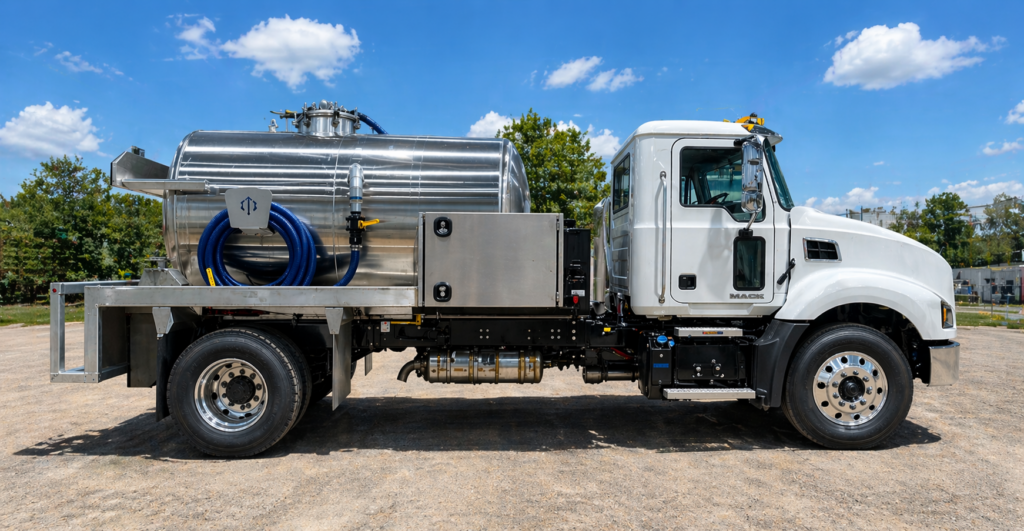
How BTR Supports Specialty Waste Operators
At BTR, we partner with specialty waste and portable sanitation providers across North America to help keep operations moving.
Whether operators are managing:
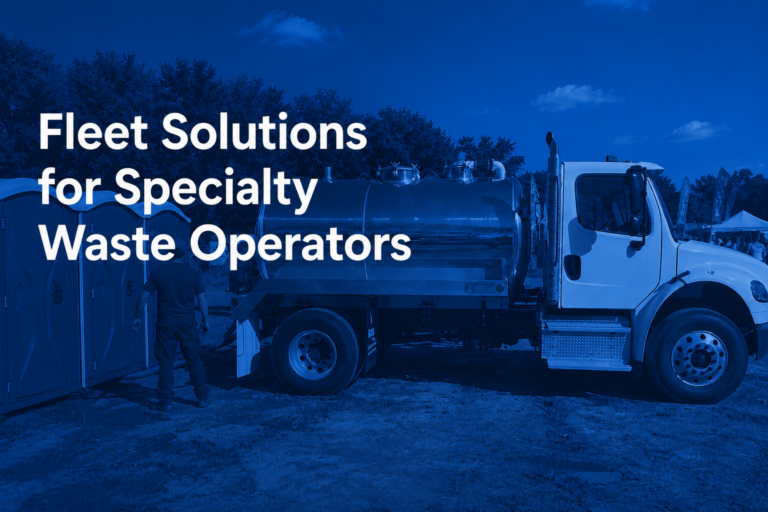
- Portable restroom routes
- Septage hauling
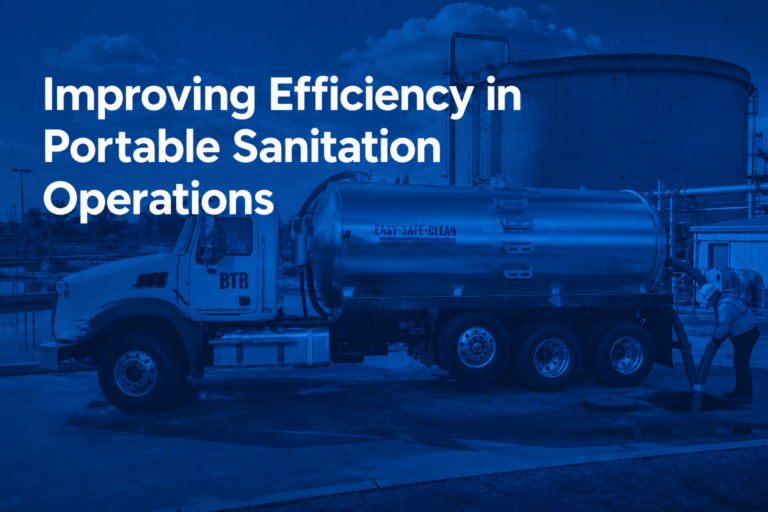
- Vacuum truck operations
- Industrial liquid waste services
- Event sanitation services
Our fleet solutions are designed to help maintain uptime, improve operational flexibility, and reduce the disruptions caused by aging equipment.
Through flexible rental programs, operators can quickly add capacity, replace down units, support seasonal demand, or modernize portions of their fleet without large upfront capital investments.
The goal isn’t simply putting another truck on the road.
It’s helping operators maintain service levels when operational challenges continue to grow.
Turning Challenges Into Opportunities
The disposal landscape may continue to evolve, but successful operators are finding ways to adapt.
The companies that thrive will be the ones that:
- Improve route efficiency
- Control fleet-related costs
- Maximize uptime
- Maintain operational flexibility
- Prepare for changing regulations
Reliable equipment has become a competitive advantage.
And in today’s environment, fleet flexibility can be just as valuable as disposal access itself.
Frequently Asked Questions
What is causing disposal challenges in the portable sanitation industry?
Many wastewater treatment facilities are limiting or restricting acceptance of portable sanitation waste while industry demand continues to grow, creating capacity shortages in some regions.
How do disposal challenges impact portable sanitation operators?
Operators often face longer travel distances, increased fuel costs, reduced route efficiency, higher labor expenses, and additional wear on fleet assets.
Why is fleet uptime important for portable sanitation companies?
Reliable trucks help operators maintain service schedules, maximize route productivity, and reduce disruptions caused by unexpected breakdowns.
How can renting specialty waste trucks help operators?
Rental solutions can provide immediate capacity, replace down units, support growth, and reduce the risks associated with aging equipment.
What types of trucks does BTR provide for specialty waste operators?
BTR provides specialty waste fleet solutions including vacuum trucks, pumper trucks, portable sanitation service trucks, and other environmental fleet equipment.
Does BTR work with both independent operators and larger companies?
Yes. BTR partners with specialty waste operators of all sizes across North America, from local providers to large regional and national organizations.