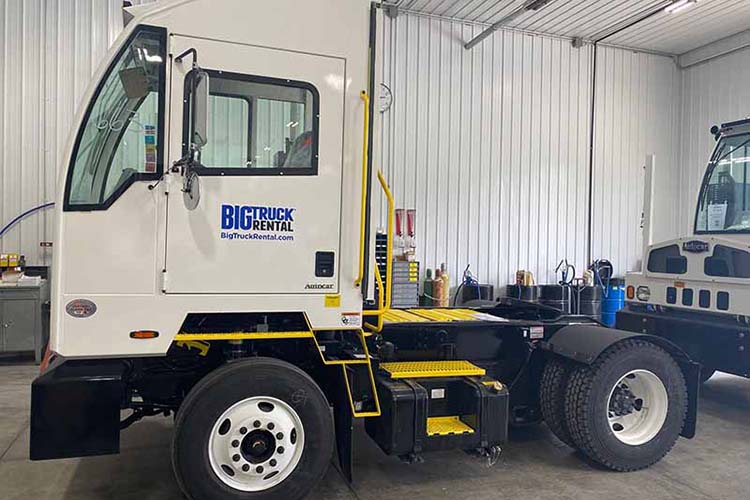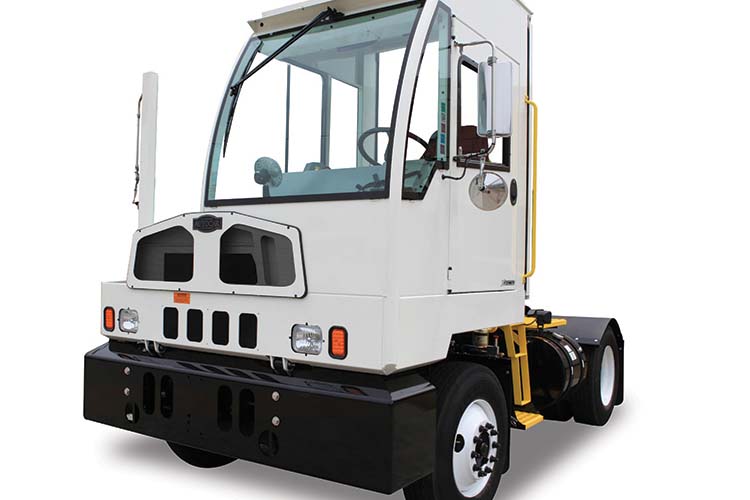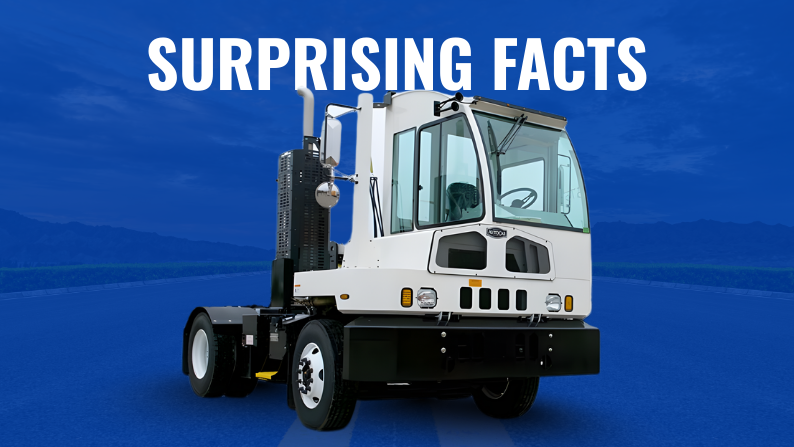
Terminal tractors are everywhere in busy yards, ports, and distribution centers, yet most people know very little about them. These trucks are built for a particular job, and many of their features can seem surprising once you look closer. There are many details that most people never notice, from how these trucks were originally developed to the unique features that keep yard operations moving.
In this article, we will be sharing some of the most surprising facts about terminal tractors. These are the details that explain why they look the way they do, how they work so efficiently in tight spaces, and why so many logistics operations rely on them daily.
Fact #1: Terminal Tractors Were Invented After World War II
The history of terminal tractors begins in the 1950s, when warehouses and distribution centers expanded rapidly after World War II, and moving trailers by hand or with modified road trucks became inefficient.
The first models were called yard hustlers. They were basic and rough compared to today’s machines, but they solved a major problem. They allowed faster trailer movement inside facilities without relying on highway trucks.
Those early designs shaped everything that followed.
Fact #2: Terminal Tractors Have Many Names
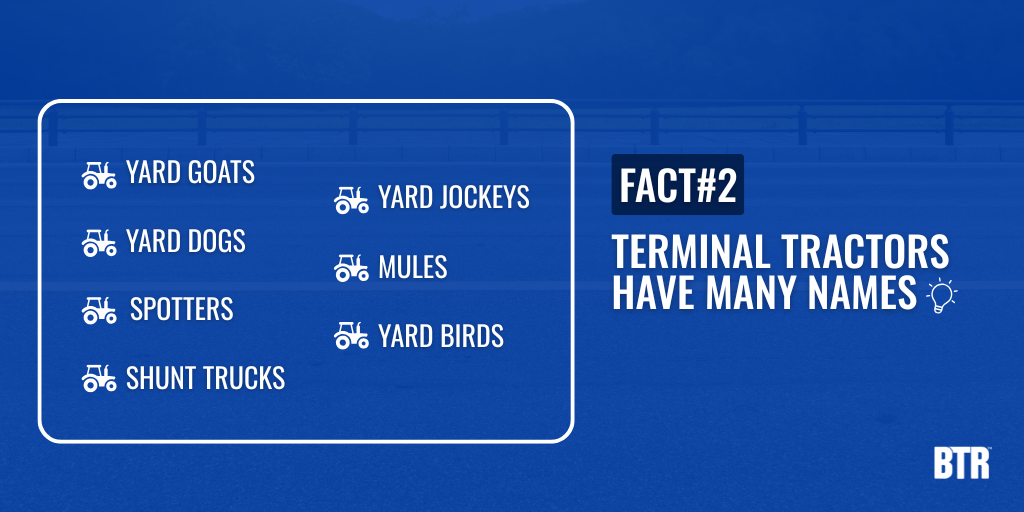
Terminal tractors go by many names, depending on location and industry. You may hear them called yard goats, yard dogs, spotters, shunt trucks, yard jockeys, mules, or yard birds.
Despite the variety of names, the purpose is always the same. These trucks move trailers safely and efficiently within a controlled area. The different terms simply reflect their widespread use across logistics, shipping, and warehousing.
Fact #3: They Are Designed for Low-Speed, High-Torque Work
Terminal tractors are not built for speed. Most top out around 25 miles per hour, and that is intentional. When looking at a yard truck specification, you’ll notice the focus is on torque rather than highway performance.
Their engines focus on torque rather than highway performance. This allows them to move heavy trailers from a standstill repeatedly throughout the day. Short trips, frequent stops, and constant coupling are exactly what they are built to handle.
Fact #4: Short Wheelbase and Strong Rear Axle for Maneuverability
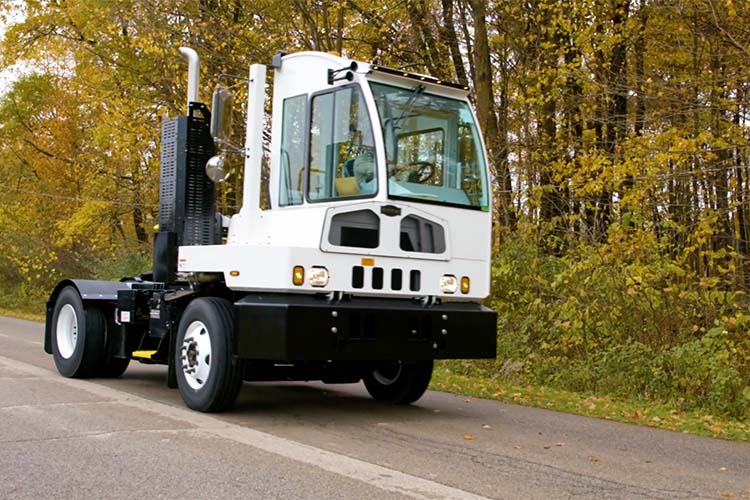
A short wheelbase is one of the most important yard truck features. It allows terminal tractors to turn sharply in tight spaces where long road trucks would struggle.
The rear axle is reinforced to handle heavy trailer loads during constant movement. This combination of strength and compact size makes terminal tractors ideal for crowded yards with limited room.
Fact #5: The Cab Is Offset With 360° Visibility
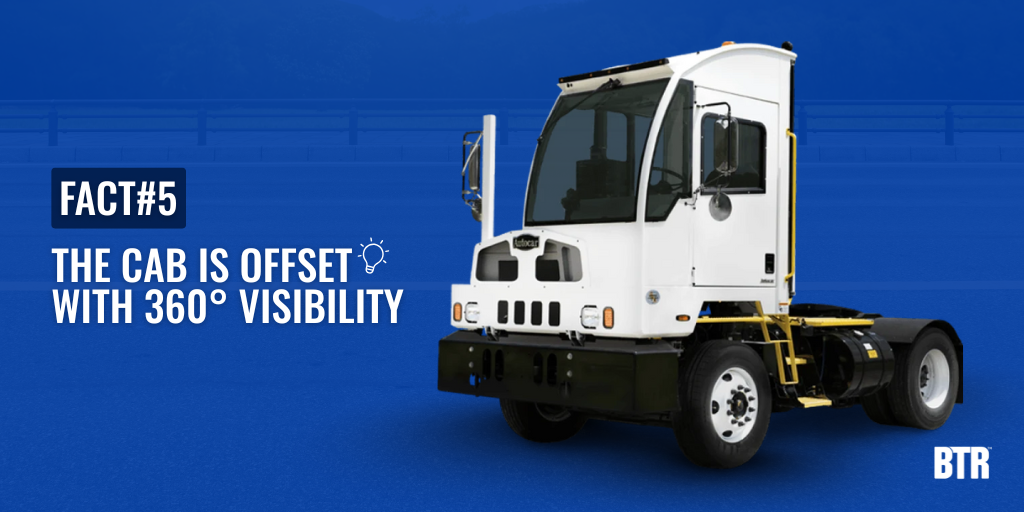
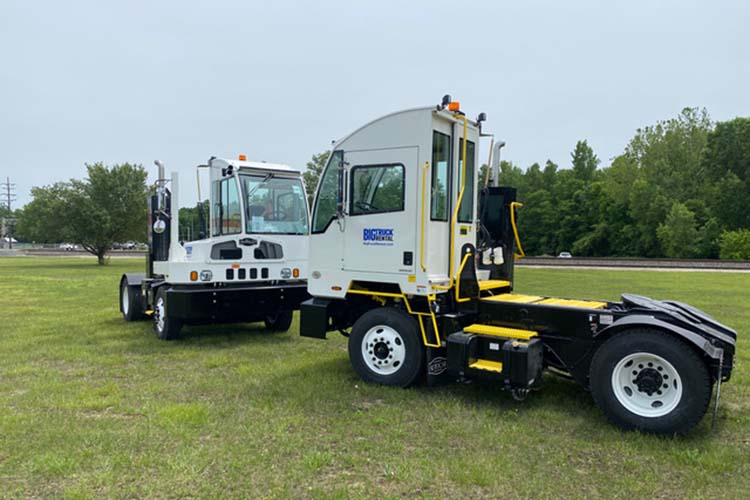
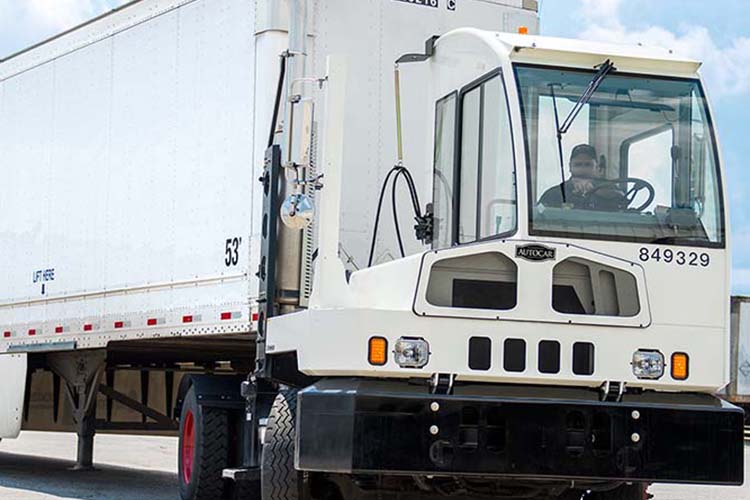
Unlike road trucks, terminal tractors have offset cabs. This design gives operators a clear view of the entire vehicle, which is one reason many operators prefer a terminal tractor over a road truck for better visibility and control.
Large windows and a raised seating position improve visibility during backing and coupling. Many models also include sliding rear doors, making it easy for operators to get in and out of the cab throughout their shift.
Fact #6: The Fifth Wheel Coupling Has a Built-In Lifting Mechanism
Terminal tractors use a fifth wheel that can lift and lower trailers without manual cranking. This feature speeds up the coupling process and reduces physical strain on operators.
With faster hookups, yard flow improves. Trailers move more quickly from dock to dock, which helps reduce delays across the facility.
Fact #7: Terminal Tractors Have Specialized Cooling and Fuel Systems
Because terminal tractors operate at low speeds for long periods, their cooling systems are built differently from highway trucks. They are designed to manage heat during constant stop-and-go movement.
Many newer models also use alternative fuels or electric systems. These options help reduce emissions and support facilities that aim to lower fuel costs and environmental impact.
Fact #8: They Operate in High-Density, Busy Facilities
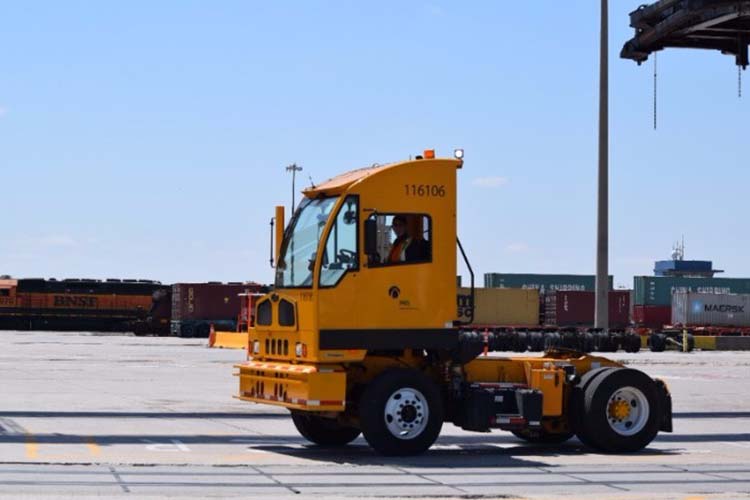
Terminal tractors are most common in warehouses, ports, rail yards, and intermodal facilities. These environments are busy, noisy, and full of moving equipment.
Their design allows operators to work safely in tight spaces while navigating foot traffic, forklifts, and other vehicles. That level of control is one of the main advantages of terminal tractors in high-volume operations.
Fact #9: Modern Terminal Tractors Are Technological Marvels
Today’s terminal tractors look very different from early yard hustlers. Many now feature automatic transmissions, pushbutton controls, and ergonomic seating.
Cameras and telematics systems help monitor routes, reduce incidents, and improve efficiency. These tools support operators during long shifts and help fleet managers track performance and maintenance needs.
Fact #10: Rentals Keep Yard Operations Flexible and Efficient
Not every operation needs to own terminal tractors year-round. Seasonal demand, maintenance downtime, or new contracts can all change fleet needs.
Big Truck Rental offers short and long-term terminal tractor rentals that help businesses stay flexible. Renting allows fleets to scale up quickly without high upfront costs or long-term commitments.
Final Thoughts
Terminal tractors may stay out of public view, but their impact on logistics is huge. They are specialized machines built for control, visibility, and constant movement in busy yards.
Understanding the history, features, and operation of terminal tractors explains why they remain essential to modern operations. From design to technology, every detail supports safe and efficient trailer movement.
Explore Terminal Tractor Rentals With Big Truck Rental
Looking for reliable terminal tractors without committing to ownership? At Big Truck Rental, we offer flexible rental options that help yard and logistics operations stay productive, efficient, and ready for change.
Contact our team at Big Truck Rental today to find the right terminal tractor for your logistics operation.
FAQs
What is a terminal tractor actually used for?
A terminal tractor is used to move semi-trailers short distances within a yard, port, or distribution center. It does not travel on highways and is built specifically to quickly and safely spot trailers at docks and staging areas.
Why do terminal tractors have so many different names?
Terminal tractors are used across many industries and regions, which is why they are known as yard goats, yard dogs, spotter trucks, or shunt trucks. Even though the names vary, they all refer to the same type of vehicle used to move trailers within a facility.
How fast can a terminal tractor go?
Most terminal tractors have a top speed of around 25 miles per hour. They are built for low-speed work where control, torque, and frequent stops matter more than speed.
Are terminal tractors safer than regular trucks in busy yards?
Yes, terminal tractors are designed with safety in mind for high-traffic environments. Features like an offset cab, wide visibility, a tight turning radius, and built-in trailer lifting help operators work more safely in crowded spaces.
Why do many companies rent terminal tractors instead of buying them?
Renting allows companies to handle seasonal demand, equipment downtime, or new contracts without a large upfront purchase. Providers like Big Truck Rental offer access to modern terminal tractors, allowing fleets to stay flexible while keeping yard operations running smoothly.