Key Takeaways:
- Renting a yard truck can reduce the upfront capital required to add equipment to a logistics fleet.
- Rental can help businesses avoid permanent equipment costs when additional yard capacity is only needed temporarily.
- Flexible rental terms can support seasonal demand, new contracts, maintenance periods, and changing trailer volumes.
- The cost of renting a yard truck should be evaluated alongside utilization, maintenance, service, and ownership costs.
- Rental, purchasing, and rent-to-purchase can each fit different fleet strategies depending on long-term equipment needs.
Yard trucks are essential for moving trailers between docks, staging areas, and other locations within distribution centers, warehouses, ports, and industrial yards. But adding another terminal tractor to a fleet can involve more than the purchase price. Maintenance, repairs, insurance, depreciation, and long-term ownership costs can all affect the total cost of operating another unit.
A yard truck rental gives businesses another way to add capacity without immediately taking on the full financial commitment of ownership. This guide explains how renting can help control fleet expenses, when it can make financial sense, and what to consider before choosing a rental over purchasing a yard truck.
How Yard Truck Rentals Can Lower Fleet Expenses
Reduce Upfront Capital Requirements
Buying a yard truck requires a significant upfront investment or financing commitment. For businesses that need additional equipment but want to preserve capital for other priorities, renting can provide access to a terminal tractor without purchasing another unit outright.
This can be particularly useful when a business needs to increase yard capacity but is not ready to make a permanent fleet investment. Instead of putting a large amount of capital into another truck, a business can direct those funds toward facility improvements, labor, technology, inventory, or other operational needs.
Avoid Permanent Equipment Costs for Temporary Needs
Not every increase in yard activity requires another truck permanently. A distribution center may experience a seasonal increase in trailer volume. A logistics company may take on a new contract that requires additional yard capacity. A facility may also need another terminal tractor while an existing unit is being repaired or replaced.
In these situations, buying another yard truck can leave a business with equipment that may be underutilized once the temporary need ends.
Rental provides a way to add equipment for the period it is actually needed.
Manage Maintenance and Repair Expenses
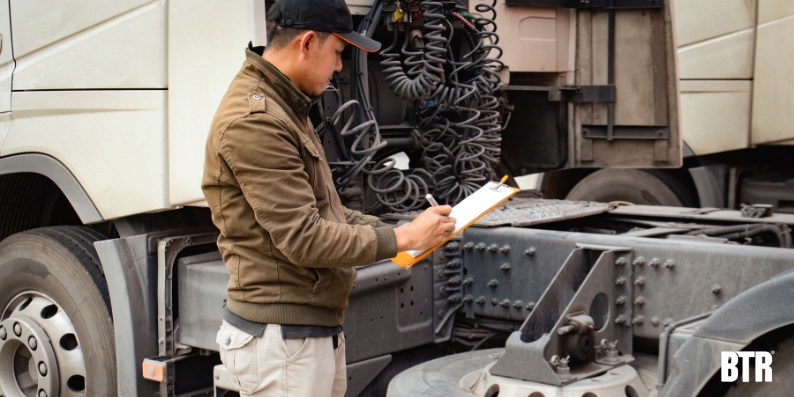
Owning another yard truck means taking on another set of maintenance and repair responsibilities. These costs can include scheduled service, unexpected repairs, replacement parts, and the labor or vendor support needed to keep the equipment operating.
Depending on the rental agreement and support included, rental can reduce the amount of maintenance responsibility the fleet has to manage directly.
For example, BTR’s logistics rental programs include on-site maintenance support and access to nationwide dealer service. This can help fleets address equipment issues without managing every service requirement as they would with an owned unit.
Match Equipment Costs to Actual Demand
Fleet size does not always need to remain fixed throughout the year.
A business may need additional yard trucks during peak shipping periods but have lower demand during other months. Rental lets businesses adjust equipment availability around those changes instead of maintaining a larger permanent fleet.
This can make yard truck costs easier to align with actual operational demand.
Improve Fleet Spending Flexibility
Rental also gives businesses another option between owning equipment and leaving capacity gaps.
A company can rent a yard truck while evaluating its long-term needs. If demand continues to grow, it can later consider purchasing additional equipment or using a rent-to-purchase program.
This approach can be useful when future utilization is uncertain, and management wants more time to evaluate the equipment requirement.
When Renting a Yard Truck Can Be More Cost-Effective
Renting is not automatically less expensive than purchasing a yard truck. The right choice depends on utilization, rental duration, ownership costs, and the needs of the operation.
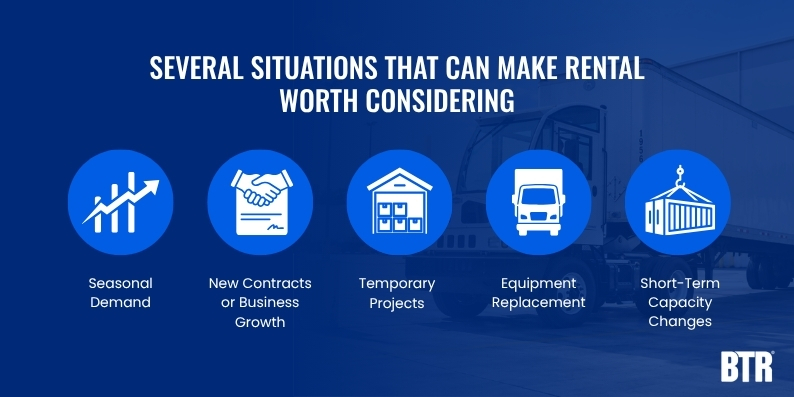
However, several situations can make rental worth considering.
Seasonal Demand
Some facilities experience predictable increases in trailer activity during certain times of the year. Instead of purchasing equipment that may sit underutilized during slower periods, a business can use a rental to increase capacity when demand rises.
New Contracts or Business Growth
Winning a new contract can create an immediate need for additional yard equipment. A terminal tractor rental can provide additional capacity while the business determines whether the increased workload will continue long enough to justify a permanent purchase.
This can also give operations time to evaluate trailer volume, staffing, facility requirements, and long-term equipment utilization.
Temporary Projects
Some logistics operations have defined projects with a specific start and end date.
For example, a facility expansion, warehouse transition, or temporary increase in trailer activity may require additional yard equipment for several months. Renting can provide the necessary capacity without leaving the business with another permanent asset after the project is complete.
Equipment Replacement
A yard truck that is undergoing major repairs or replacement can temporarily reduce available capacity. Renting another unit can help maintain trailer movement while the permanent equipment is being serviced, replaced, or delivered.
This can also reduce the operational impact of taking an existing truck out of service.
Short-Term Capacity Changes
Trailer volume can change for reasons that are difficult to predict.
When additional capacity is needed quickly, rental can provide an alternative to waiting for a new equipment purchase. BTR offers short-term and long-term logistics rental options, along with rent-to-purchase and Complete Fleet programs.
What to Consider Before Renting a Yard Truck
The cost of renting a yard truck depends on more than the rental rate. Before choosing a rental, evaluate the complete operating situation.
Consider:
- How much capacity is needed: Determine how many additional trailer movements the operation needs to handle.
- Rental duration: Compare short-term requirements with longer-term equipment needs.
- Utilization: Estimate how frequently the yard truck will actually be used.
- Operating environment: Consider the size and layout of the facility, traffic levels, and frequency of trailer movements.
- Equipment configuration: Make sure the terminal tractor is appropriate for the trailers and work environment.
- Maintenance and service: Review what maintenance support is included and how service issues are handled.
- Delivery and replacement support: Consider how quickly equipment can be delivered and what happens if the rental unit requires service.
- Long-term fleet strategy: Determine whether the rental is a temporary solution or part of a broader plan for expanding the fleet.
Looking only at the monthly rental rate can make it difficult to understand the actual financial impact. The comparison should also account for the costs and responsibilities that come with ownership.
Final Thoughts
Renting a yard truck can help businesses manage equipment spending when their fleet requirements change. Instead of immediately purchasing another terminal tractor, companies can use rental equipment to cover seasonal demand, new contracts, temporary projects, maintenance periods, or uncertain capacity requirements.
The right decision depends on the full cost of operating the equipment, not just the rental rate or purchase price. Utilization, maintenance, service, rental duration, and long-term fleet plans should all be considered before choosing between renting and buying.
For many logistics operations, rental can provide the flexibility to add capacity now while giving the business more time to determine what its long-term fleet should look like.
Find a Flexible Yard Truck Solution
Big Truck Rental provides terminal tractor rentals for businesses that need flexible yard capacity without immediately committing to permanent equipment ownership. With short- and long-term rental options, rent-to-purchase programs, maintenance support, and nationwide service, BTR can help businesses respond to changing logistics demands.
Contact us to explore yard truck rental options to find a solution that fits your operation and fleet strategy.
FAQs
Is renting a yard truck cheaper than buying one?
Not necessarily. The better option depends on how long you’ll use the truck, its utilization, maintenance needs, and the total cost of ownership versus the rental period.
What affects the cost of renting a yard truck?
Rental duration, equipment configuration, service requirements, availability, and the number of trucks needed can all affect rental costs. Businesses should also consider what maintenance and support are included in the rental agreement.
When should a business rent a yard truck?
Rental can help when you need extra capacity for seasonal demand, new contracts, temporary projects, equipment replacement, or uncertain future requirements. It can also provide temporary capacity while a fleet evaluates whether a permanent purchase is necessary.
Are used yard trucks a good alternative to renting?
Used yard trucks can be an option for businesses that need permanent equipment and are prepared to take on ownership responsibilities. Rental may be more appropriate for temporary needs or when a business wants to avoid a permanent fleet investment.
Can I rent a yard truck and later buy it?
Yes. BTR offers a rent-to-purchase program for logistics trucks that allows businesses to start with a rental and move toward ownership if the equipment fits their long-term needs.