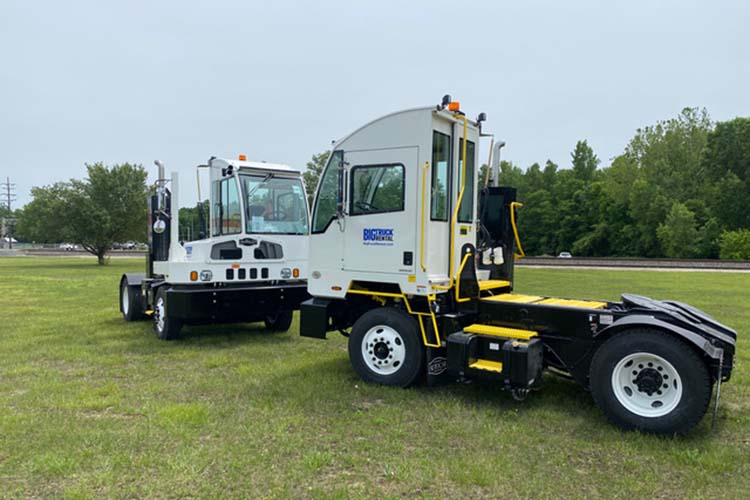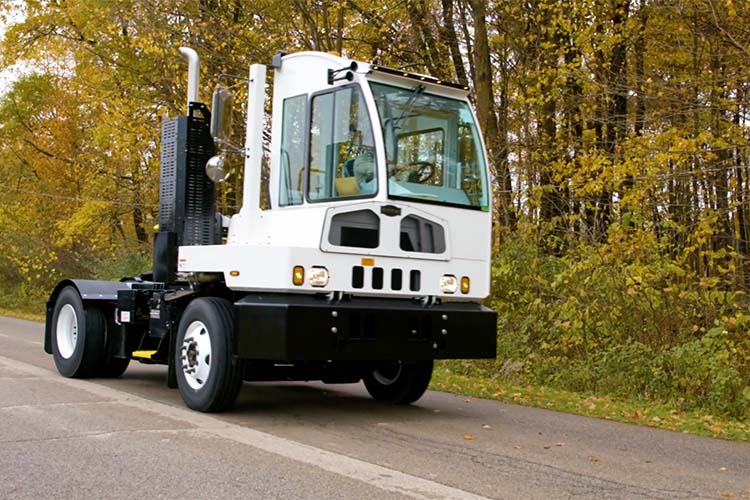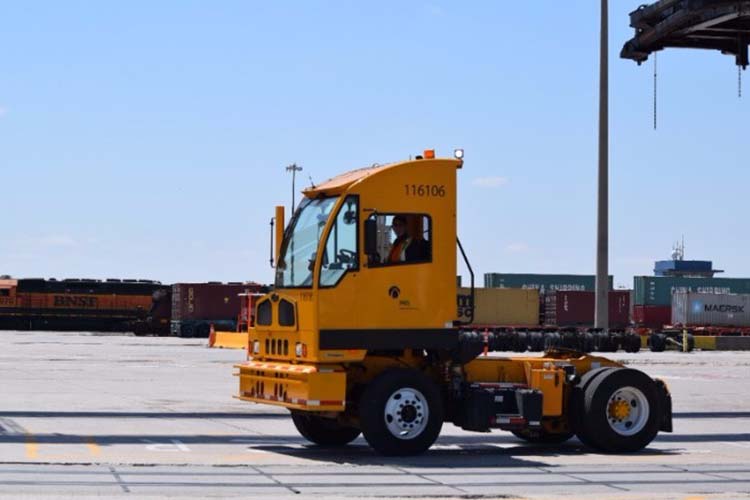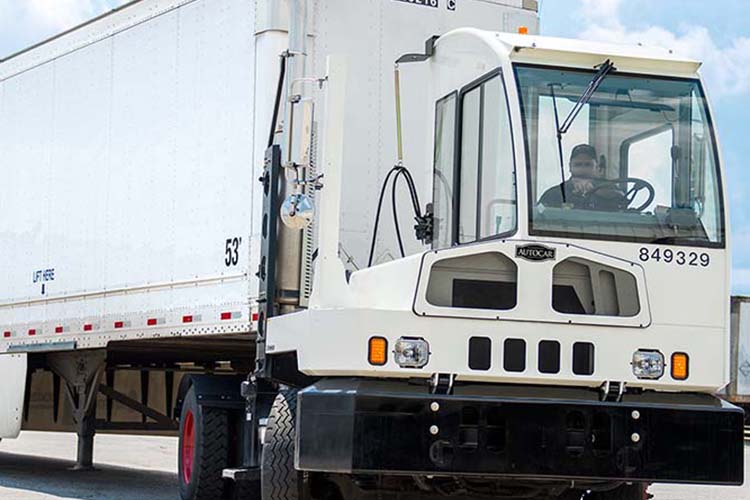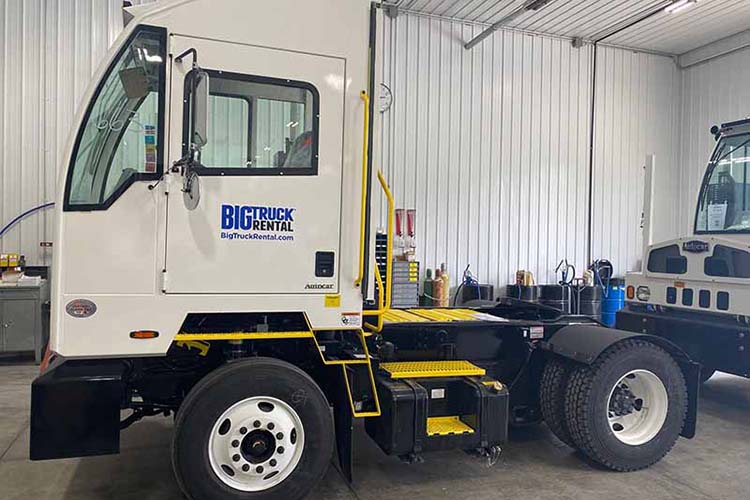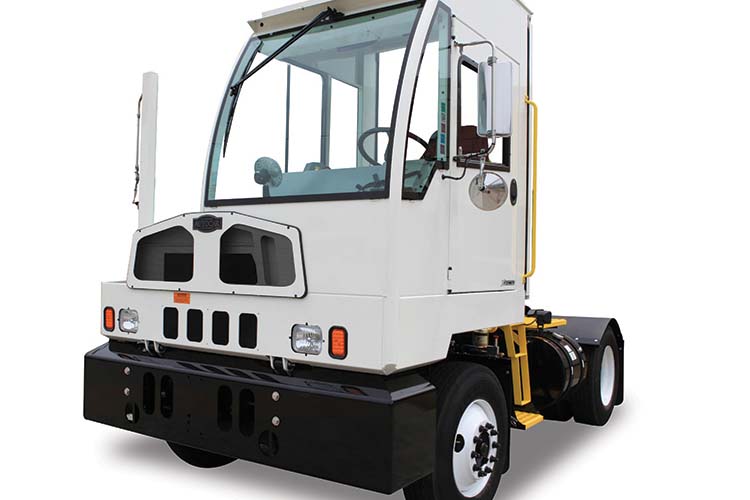
Terminal tractors are used every day in warehouses, distribution centers, ports, rail yards, and industrial facilities to keep trailers moving efficiently. Although they rarely travel on public roads, these specialized vehicles play a critical role in maintaining productive yard operations.
When trailers are not positioned where they need to be, loading slows down, docks become congested, and freight movement can quickly fall behind schedule. Terminal tractors are designed specifically to prevent these delays by providing fast, efficient trailer spotting and repositioning.
This guide explores five of the most common uses of terminal tractors and explains why they remain essential equipment in modern logistics operations.
1. Moving Trailers Between Loading Docks
One of the most common uses for terminal tractors is moving trailers between loading docks and staging areas.
Warehouses and distribution facilities depend on a steady flow of trailers arriving, unloading, loading, and departing throughout the day. When trailers are not positioned quickly, dock productivity suffers, and freight movement slows.
Terminal tractors help operators:
- Position trailers for loading and unloading
- Move empty trailers away from the docks
- Relocate loaded trailers to staging areas
- Reduce dock congestion
- Improve trailer availability
Because terminal tractors are built specifically for rapid trailer movement, operators can complete trailer swaps much faster than with traditional highway tractors. These terminal tractor operational advantages help warehouses reduce dock congestion and maintain efficient freight flow throughout the day.
2. Managing Trailer Staging in Distribution Centers
Large distribution centers often manage hundreds of trailers within a single yard. Keeping those trailers organized is essential for maintaining efficient operations and preventing delays.
Terminal tractors play a key role by moving trailers between staging areas, storage locations, and loading docks as operational needs change throughout the day.
Their responsibilities often include:
- Organizing inbound and outbound trailers
- Repositioning equipment during peak periods
- Supporting dock scheduling requirements
- Maintaining efficient trailer flow throughout the yard
Effective yard truck operations help facilities reduce congestion while improving trailer accessibility and turnaround times.
For high-volume distribution centers, efficient trailer staging directly contributes to overall operational performance.
3. Supporting Port and Intermodal Operations
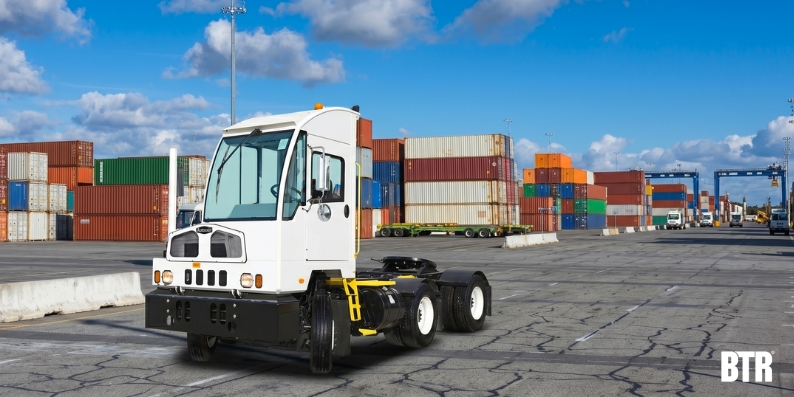
Ports and intermodal facilities depend heavily on terminal tractors to coordinate freight movement. These environments involve constant activity as containers, trailers, ships, rail systems, and trucks all interact within a limited space.
Terminal tractors are frequently used to:
- Move trailers between cargo handling areas
- Transport containers within port facilities
- Support vessel loading and unloading operations
- Coordinate freight transfers between transportation modes
- Manage equipment movement within congested terminals
Their maneuverability and durability make them ideal for high-traffic environments where efficient trailer movement is critical.
By helping freight transition smoothly between ships, rail networks, and trucking operations, terminal tractors reduce downtime and support the uninterrupted flow of goods throughout the supply chain.
4. Handling Trailer Movement in Rail Yards
Rail yards present unique operational challenges that require precise coordination and efficient equipment movement. Terminal tractors help bridge the gap between rail transportation and trucking operations by repositioning trailers and containers throughout the yard.
Common applications include:
- Moving trailers to rail loading areas
- Positioning containers for unloading
- Supporting intermodal transfer operations
- Organizing freight prior to departure
- Reducing delays during cargo transitions
Efficient trailer movement helps rail facilities improve throughput while minimizing bottlenecks that can affect broader transportation networks. Similar strategies show how yard trucks improve efficiency across other high-volume logistics operations.
5. Improving Efficiency in Industrial Facilities
Terminal tractors are also widely used in manufacturing plants, production facilities, and industrial operations. Many industrial sites rely on frequent trailer movement to support production schedules, material deliveries, and outbound shipping requirements.
Terminal tractors help facilities:
- Move trailers carrying raw materials
- Reposition trailers for loading and unloading
- Support finished product distribution
- Maintain efficient shipping schedules
- Improve internal transportation processes
Their compact design allows operators to safely maneuver within controlled environments where space may be limited, and operational efficiency is critical.
By supporting reliable trailer movement, terminal tractors help industrial facilities maintain productivity throughout the production and shipping process.
Why Terminal Tractors Work So Well in Busy Yards
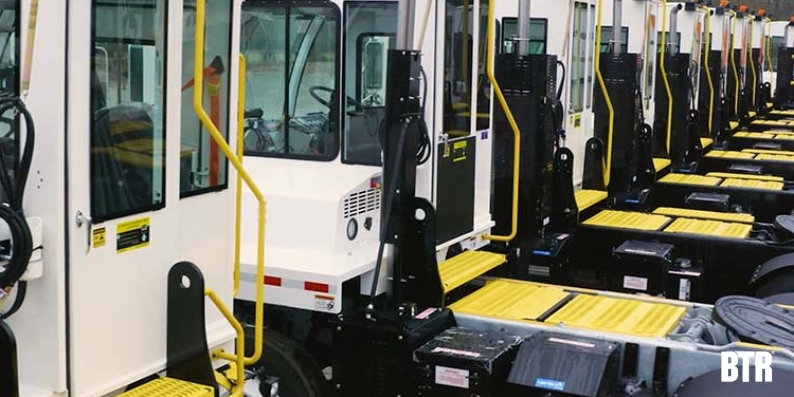
Terminal tractors are purpose-built for yard work, making them significantly more efficient than traditional highway tractors in logistics environments. Several design features contribute to their effectiveness:
- Tight Turning Radius: Terminal tractors are designed to navigate crowded yards, loading docks, containers, and parked trailers with ease.
- Fast Trailer Spotting: Quick coupling and uncoupling systems allow operators to reposition trailers rapidly throughout the day.
- Operator-Focused Cab Design: Modern terminal tractors feature ergonomic cabs, excellent visibility, and easy entry and exit to support productivity during repetitive trailer movements.
- Built for Continuous Stop-and-Go Operations: Unlike highway tractors, terminal tractors are engineered specifically for frequent starts, stops, and trailer repositioning throughout a shift.
These advantages allow facilities to improve productivity, reduce congestion, and maintain smoother yard operations even during periods of high activity, supporting the seamless freight distribution that modern logistics networks depend on.
How Big Truck Rental Supports Terminal Tractor Operations
Big Truck Rental provides terminal tractors for rent built to perform in demanding logistics environments where uptime, productivity, and efficiency matter.
Our flexible truck rental solutions help facilities:
- Add equipment during seasonal demand increases
- Support temporary operational expansion
- Replace units during maintenance periods
- Scale yard capacity without large capital expenditures
- Maintain productivity during peak freight volumes
Whether supporting a distribution center, manufacturing facility, intermodal terminal, or port operation, BTR helps customers access modern terminal tractors that keep freight moving efficiently.
Final Thoughts
Terminal tractors may operate behind the scenes, but their impact on logistics efficiency is substantial. From warehouse docks and distribution centers to ports, rail yards, and industrial facilities, these specialized vehicles keep trailers moving where they need to be, when they need to be there. Their ability to improve trailer spotting, reduce congestion, support efficient yard operations, and maintain freight flow makes them essential equipment across a wide range of industries. As freight volumes continue to grow and facilities seek greater operational efficiency, terminal tractors will remain a critical part of modern logistics operations.
Keep Your Yard Operations Moving Efficiently
Big Truck Rental provides terminal tractors built for fast trailer movement, efficient yard operations, and reliable performance in demanding logistics environments.
Contact us to request a quote and explore flexible terminal tractor rental options that help improve productivity, reduce delays, and support your daily trailer operations.
FAQs
What is a terminal tractor used for?
A terminal tractor is used to move trailers within logistics facilities such as warehouses, distribution centers, ports, rail yards, and industrial sites. Its primary function is trailer spotting and repositioning.
Why are terminal tractors better for yard operations than highway tractors?
Terminal tractors are specifically designed for short-distance trailer movement, frequent stop-and-go operation, and tight maneuvering in busy yards, making them more efficient than highway tractors in these environments. In most yard operations, it’s clear why operators choose a yard truck over a road truck.
Where are terminal tractors commonly used?
Terminal tractors are commonly found in:
- Distribution centers
- Warehouses
- Port terminals
- Rail yards
- Manufacturing facilities
- Industrial logistics operations
How do terminal tractors improve yard efficiency?
Terminal tractors help reduce trailer wait times, improve dock utilization, support faster trailer spotting, reduce congestion, and maintain efficient freight flow throughout a facility.
Can terminal tractors operate in high-traffic environments?
Yes. Terminal tractors are specifically designed for busy logistics yards where trailers, equipment, and freight are constantly moving. Their maneuverability and visibility make them ideal for high-traffic operations.