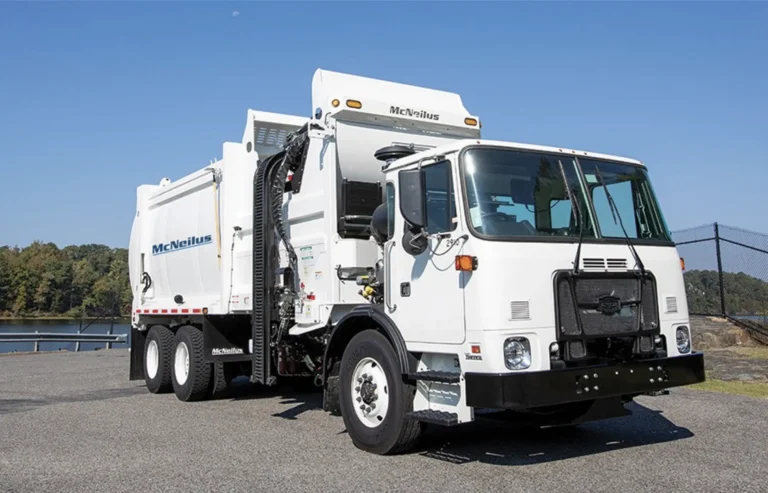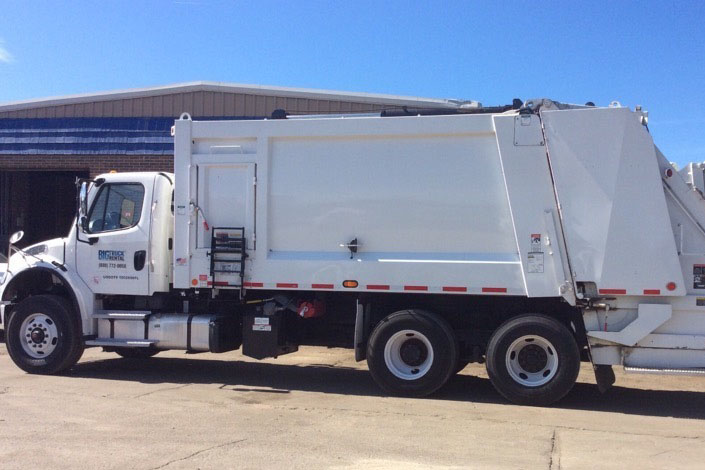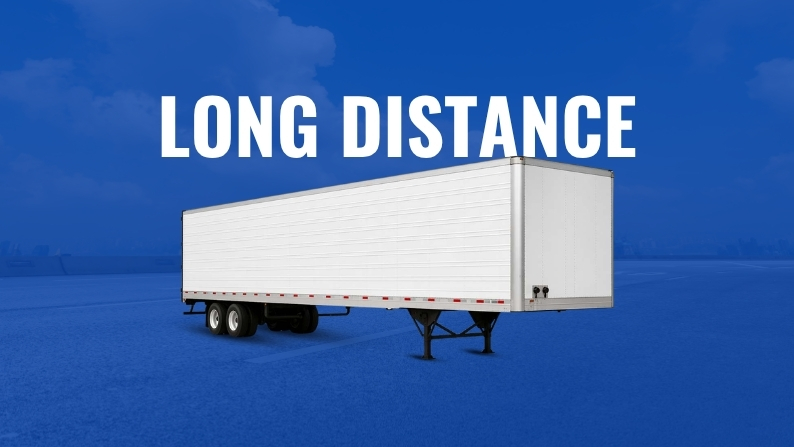
Long-distance waste transport can become expensive and inefficient without the right equipment and planning. Fuel costs, travel time, equipment wear, and unnecessary trips can all impact operational performance over time.
That’s why many fleets rely on transfer trailers for high-volume hauling operations. Built for larger payloads and longer distances, transfer trailers help waste operations move more material with fewer trips while improving overall hauling efficiency.
At Big Truck Rental, we support fleets that depend on reliable transfer equipment for demanding waste transport operations. This guide shares practical tips for improving efficiency and getting the most value out of every haul.
1. Understand How Transfer Trailers Improve Efficiency
Transfer trailers are designed as truck-and-trailer combinations that allow fleets to haul larger waste volumes more efficiently over long distances.
One of the key advantages is the detachable trailer box system, which allows loading operations to continue while the hauling truck is on the road. This reduces downtime and helps operations maintain a continuous workflow.
Because transfer trailers are built for higher-capacity hauling, they help:
- Reduce the number of trips required
- Improve payload efficiency
- Lower transportation costs over time
- Support more productive long-haul operations
For high-volume waste transport, maximizing hauling capacity is essential to maintaining operational efficiency.
2. Maximize Payload on Every Trip
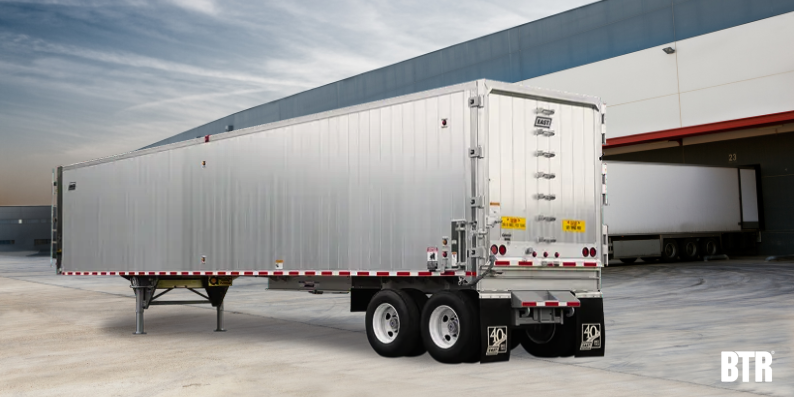
One of the most effective ways to improve waste hauling efficiency is to maximize payload whenever possible.
Both the truck and trailer should be loaded efficiently to avoid underutilized trips that increase fuel costs and operational time. Proper load balancing is also important for maintaining stability and safe transport conditions.
To improve payload efficiency:
- Load both the truck and the trailer fully when appropriate
- Avoid unnecessary partial loads
- Distribute weight evenly
- Match hauling schedules to waste volume demands
Careful load planning helps fleets move more material while reducing overall trip frequency.
3. Reduce Empty Miles and Unnecessary Trips
Empty return trips can significantly reduce operational efficiency during long-distance hauling.
Transfer trailer systems help minimize downtime by allowing trailer boxes to remain at loading sites while trucks continue moving between locations. Coordinating schedules between transfer stations, disposal sites, and loading crews also helps reduce delays.
Improving trip efficiency may include:
- Coordinating loading times more effectively
- Reducing idle time at transfer points
- Planning routes that minimize empty travel
- Keeping hauling equipment moving consistently
Reducing unnecessary miles helps lower fuel usage and improve overall productivity.
4. Plan Routes for Long-Distance Efficiency
Efficient routing plays a major role in the performance of long-distance waste transport.
Routes should support heavy hauling conditions while minimizing delays caused by congestion, poor road conditions, or unnecessary stops.
When planning routes, fleets should consider:
- Roadways suitable for heavy loads
- Fuel station availability
- Disposal and transfer site access
- Traffic patterns and peak travel periods
- Weather and road condition changes
Better route planning helps maintain consistent travel times and reduces operational disruptions.
5. Match the Right Truck With the Transfer Trailer
Transfer trailers perform best when paired with trucks designed for heavy-duty hauling.
The truck must provide the power, stability, and compatibility needed to safely transport large loads over long distances. Matching trailer size to truck capacity also improves overall performance and reduces equipment strain.
Proper truck and trailer pairing supports:
- Safer hauling conditions
- Better fuel efficiency
- Improved stability during transport
- Reduced wear on equipment
Reliable equipment compatibility is critical for maintaining consistent long-haul operations.
6. Maintain Equipment for Reliable Performance
Long-distance hauling places constant demand on both trucks and trailers, making preventive maintenance essential.
Routine inspections help identify issues before they lead to breakdowns that disrupt schedules and increase costs.
Key maintenance areas include:
- Trailer connections
- Tires and suspension systems
- Hydraulic components
- Brake systems
- Lighting and safety equipment
Keeping both the truck and transfer trailer in strong operating condition helps fleets avoid costly downtime and maintain route reliability.
7. Improve Loading and Transfer Processes
Efficient loading operations are just as important as efficient hauling.
Transfer trailer systems work best when loading crews, transfer points, and hauling schedules are coordinated properly. Delays during loading can reduce the productivity advantages that transfer trailers are designed to provide.
To improve loading efficiency:
- Prepare trailer boxes before truck arrival
- Reduce waiting time between loads
- Coordinate transfer station activity
- Maintain clear communication between crews
Smoother loading operations help keep trucks moving and maximize daily hauling capacity.
8. Use Transfer Trailers for the Right Applications
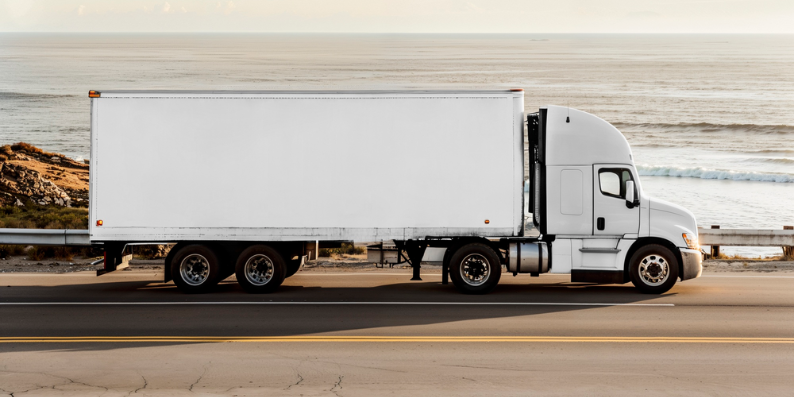
Transfer trailers are especially effective for high-volume and long-distance hauling operations.
Common applications include:
- Construction and demolition debris
- Municipal waste transport
- Recyclable material hauling
- Landscaping and vegetation waste
- Bulk industrial material transport
Because they are designed for large payloads and fewer trips, transfer trailers provide the greatest value in operations where hauling efficiency directly impacts costs and productivity.
How Big Truck Rental Supports Transfer Trailer Operations
Big Truck Rental provides high-capacity transfer trailers for rent designed to support demanding long-distance hauling operations.
Flexible rental solutions help fleets manage:
- Project-based hauling needs
- Long-term waste transport operations
- Seasonal workload increases
- Fleet expansion without large capital investment
With access to reliable equipment and flexible support, fleets can improve hauling efficiency while maintaining operational flexibility.
Final Thoughts
Transfer trailers are built to improve efficiency in long-distance waste transport operations. Their ability to haul larger loads, reduce unnecessary trips, and support continuous loading helps fleets improve productivity while lowering operational costs.
With proper planning, routing, and equipment management, transfer trailers offer a practical solution for high-volume hauling operations that demand consistent performance.
Maximize Every Haul With Big Truck Rental
Big Truck Rental provides high-capacity transfer trailers built for long-distance waste transport, helping you move more material in fewer trips and improve overall efficiency.
Contact us to explore flexible rental options that support your hauling needs, reduce downtime, and keep your operations running smoothly.
FAQs
What are transfer trailers used for?
Transfer trailers are used for transporting large volumes of waste and materials over long distances. They are commonly used in municipal waste hauling, construction debris transport, and high-volume transfer operations.
How do transfer trailers improve waste hauling efficiency?
Transfer trailers improve efficiency by increasing payload capacity and reducing the number of trips required. Their detachable trailer systems also help reduce downtime during loading and unloading operations.
Are transfer trailers designed for long-distance hauling?
Yes. Transfer trailers are specifically built for long-distance waste transport and high-capacity hauling operations where maximizing payload and reducing transportation costs are important.
What types of waste can transfer trailers haul?
Transfer trailers can haul:
- Municipal solid waste
- Construction and demolition debris
- Recyclable materials
- Vegetation and landscaping waste
- Bulk industrial materials
Why is payload optimization important in waste transport?
Maximizing payload helps fleets reduce fuel usage, lower transportation costs, and minimize unnecessary trips. Efficient loading improves overall hauling productivity.