Waste haulers everywhere are looking for smarter ways to lower emissions and cut fuel costs without slowing down their operations. As sustainability goals grow stronger across the industry, many large independent haulers are shifting toward cleaner alternative fuel options. Compressed Natural Gas (CNG) has quickly become a leading choice because it offers a practical, proven path to reducing greenhouse gas emissions while keeping fleets running efficiently.
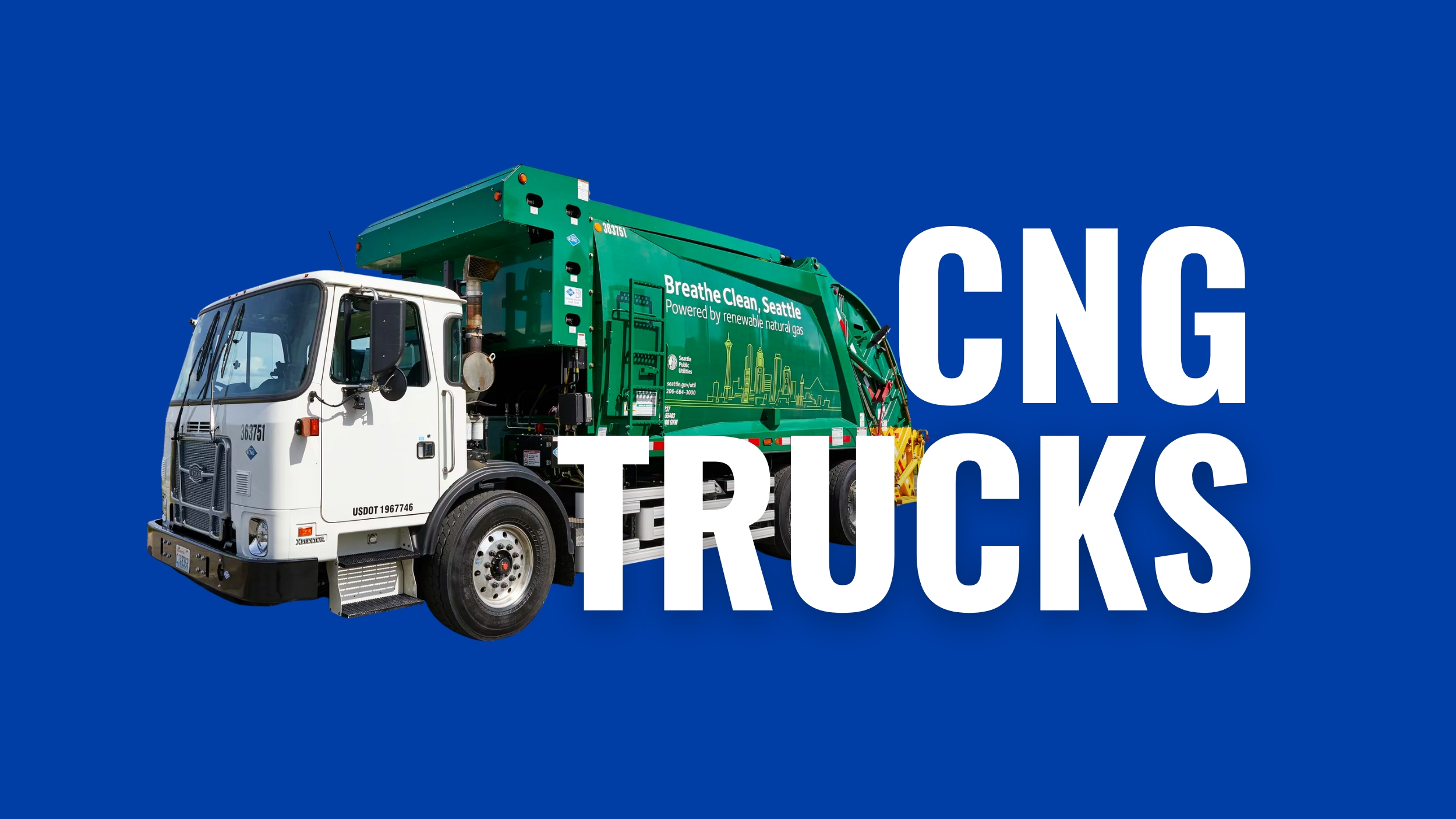
CNG trucks play an important role in meeting sustainability goals. They offer a practical way to lower greenhouse gas emissions without slowing down routes or daily operations. For haulers with climate targets, CNG is a proven and workable option.x
The Environmental Impact of CNG vs Diesel
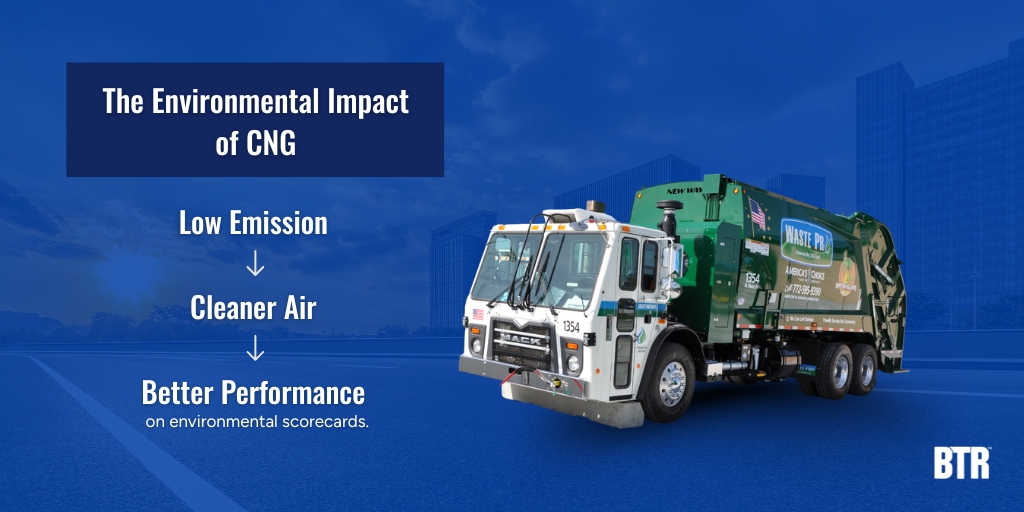
Diesel trucks have powered waste fleets for decades, but they also produce high amounts of CO₂, nitrogen oxides, and particulate matter. These pollutants are a major concern for communities looking to improve air quality.
CNG trucks produce much lower emissions compared to diesel units. This leads to cleaner air and better performance on environmental scorecards.
Quick Comparison
| Fuel Type | CO₂ Emissions | NOx Emissions | Particulate Emissions |
| Diesel | High | High | High |
| CNG | Lower | Lower | Very Low |
This simple shift helps large haulers stay ahead of tightening environmental rules. It also supports long-term sustainability plans that many organizations are adopting.
For added context on how emissions are tracked nationwide, you can check the EPA’s information on greenhouse gases through their resource on sources of greenhouse gas emissions.
Renewable Natural Gas Opportunities
Renewable natural gas, or RNG, takes the benefits even further. RNG is produced from organic waste, including food scraps, landfill gas, and agricultural materials. This gives it a special advantage. Haulers can collect waste, process it into fuel, and then use it to power their trucks. It creates a full circle that helps reduce greenhouse gas emissions throughout the process.
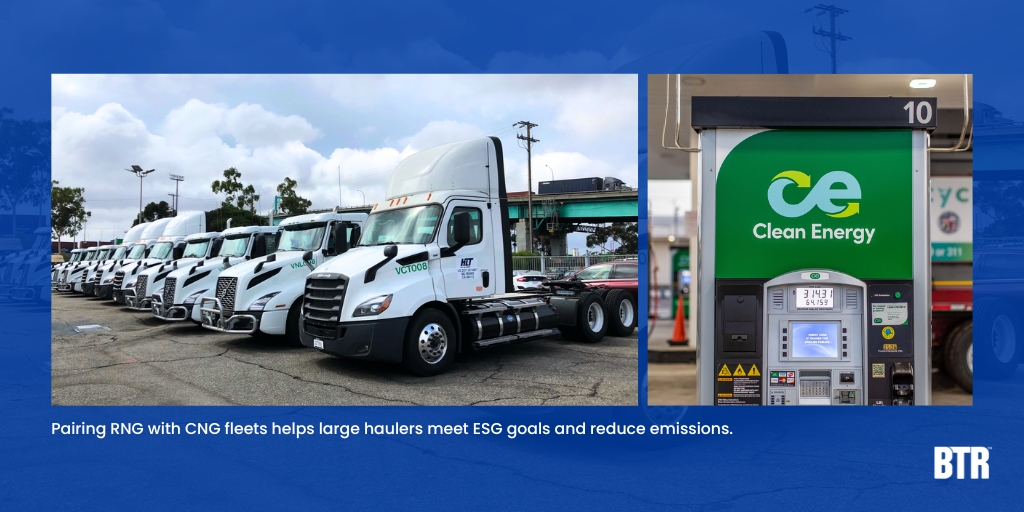
Pairing RNG with CNG fleets helps large haulers meet ESG goals and reduce emissions. Many companies prefer RNG because it shows measurable results that can be included in sustainability reports. For fleets that want a clearer understanding of how their choices affect the environment, this overview of how to understand your truck’s carbon footprint provides helpful context.
For haulers working toward carbon-reduction goals, RNG is one of the most accessible ways to demonstrate progress.
Infrastructure and Adoption Among Haulers
CNG adoption has grown fastest among large waste haulers with access to fueling stations. Many of these operations already have established infrastructure that makes CNG fueling cost-friendly and simple to manage.
This is especially common in western regions where CNG stations have been in place for years. Haulers in these areas often find the shift smoother, since the fueling network is already strong.
For fleets considering expansion or modernization, this existing infrastructure makes CNG a dependable choice.
Cleaner Fleets with Modern Technology
Today’s CNG garbage trucks include engines that meet stricter emission standards. They run cleaner, they operate more quietly, and they support modern telematics systems that help with route planning and fuel use.
At Big Truck Rental, we offer a selection of CNG trucks that comply with current environmental regulations. This gives large haulers a way to test or scale their cleaner fleet options without waiting for new equipment purchases.
The truck rental option also provides flexibility for haulers who need temporary support. Operations can add trucks during peak seasons, cover for maintenance downtime, or experiment with CNG fleets before committing to a full purchase. This ensures continuous service while keeping costs predictable and minimizing disruption to daily operations.
Final Thoughts
CNG garbage trucks are a practical step toward lowering greenhouse gas emissions. Large waste haulers benefit from cleaner air, fewer emissions, and smoother progress toward sustainability goals. For operations already set up with fueling stations, shifting to CNG is one of the simplest ways to build a cleaner fleet.
Cleaner operations are within reach. A thoughtful shift to CNG trucks helps large haulers move closer to long-term environmental goals.
Ready to Build a Cleaner Fleet?
Big Truck Rental can help large waste haulers reduce greenhouse gas emissions with dependable CNG trucks. Whether you need temporary support or want to test CNG before a full shift, our fleet is ready to help you move forward.
Contact us today to learn how our rental solutions can keep your operations efficient, flexible, and environmentally responsible.
FAQs
How much cleaner are CNG trucks compared to diesel?
They produce lower CO₂ emissions and very low particulate emissions. Many haulers see noticeable improvements in air quality and compliance results.
Do CNG garbage trucks cost more to operate?
Fuel costs are often lower than diesel in many regions. Maintenance may also be easier because CNG engines burn cleaner.
Is RNG the same as regular CNG?
RNG is produced from organic waste, whereas standard CNG is derived from natural gas. Both work in the same trucks, but RNG offers even lower greenhouse gas emissions.
Are CNG fueling stations widely available?
Access varies by region. Adoption is strongest in areas with established CNG infrastructure, especially in the western United States.
Can waste haulers test CNG trucks before committing to long-term?
Yes. Many haulers choose rentals first. It lets them test performance, fuel use, and route changes without long-term pressure.