Municipal waste collection looks steady from the outside. Routes run daily. Trucks move on schedule. Services feel routine. But behind the scenes, every season brings a different set of challenges that directly affect how cities operate.
Weather shifts, changing waste volumes, and road conditions all reshape how garbage truck routes are planned and managed. A route that works perfectly in summer can struggle in winter. A quiet winter route can become overloaded in spring.
Winter Challenges in Municipal Waste Collection
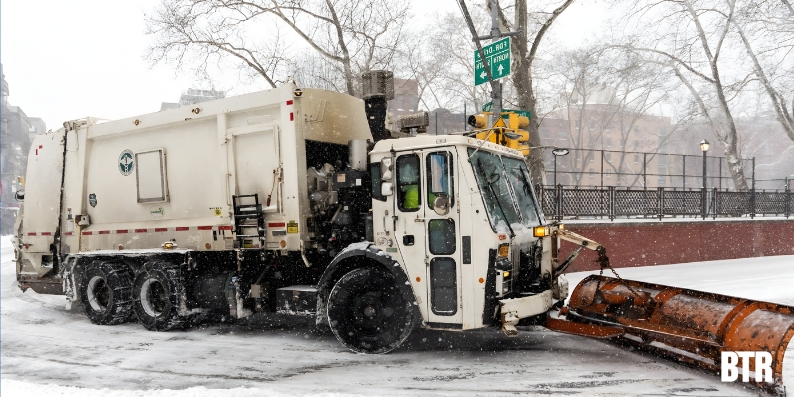
Winter creates some of the toughest conditions for municipal waste collection. Snow and ice slow down garbage truck routes and often force detours due to road closures. Narrow streets become harder to navigate, and access to bins and collection points becomes limited.
Different road conditions also require different garbage truck types, especially in winter when snow buildup, reduced visibility, and restricted access demand more specialized vehicles for safe and efficient operation.
Drivers and crews face higher safety risks in poor weather. Slippery roads, frozen equipment, and low visibility increase the chances of accidents and delays. Trucks also experience more wear during winter months, leading to higher maintenance needs and unexpected downtime.
Spring Problems Cities Face on Collection Routes
Spring brings a different set of challenges. Flooding and waterlogged roads can limit access to certain neighborhoods and damage infrastructure. Storm debris and bulk waste start to build up, especially after heavy rains or wind events.
Spring cleanups also increase waste volume across many communities. Residents clear yards, garages, and properties, which leads to higher demand for waste services. Damaged roads, fallen trees, and debris piles slow routes and force cities to adjust schedules quickly.
Spring often tests how well municipal fleet management systems adapt to sudden demand and changing conditions.
Summer Strain on Municipal Waste Collection
Summer puts pressure on municipal waste collection in different ways. Tourism, public events, outdoor activities, and festivals all increase waste volume. Popular areas generate more trash, and routes often need to run more frequently.
Heat adds strain to equipment and crews. Vehicles work harder, and high temperatures can affect performance and maintenance schedules. Waste also breaks down faster in warm weather, leading to odor issues and requiring more frequent collection.
Efficiency becomes critical during the summer. Cities need routes that move faster, stay reliable, and adjust easily to daily changes in demand.
Fall Collection Challenges for City Routes
Fall brings leaf buildup, yard waste surges, and seasonal cleanup projects. Drains and access points can become blocked, slowing down routes and limiting access to collection areas.
Storm cleanup and debris removal increase demand for municipal waste services. At the same time, cities must start preparing fleets for the colder months ahead. Maintenance planning, vehicle readiness, and route adjustments all become priorities.
Fall is often a transition season, where cities must balance current demand while preparing for winter conditions.
How Cities Adapt to Seasonal Waste Collection Challenges
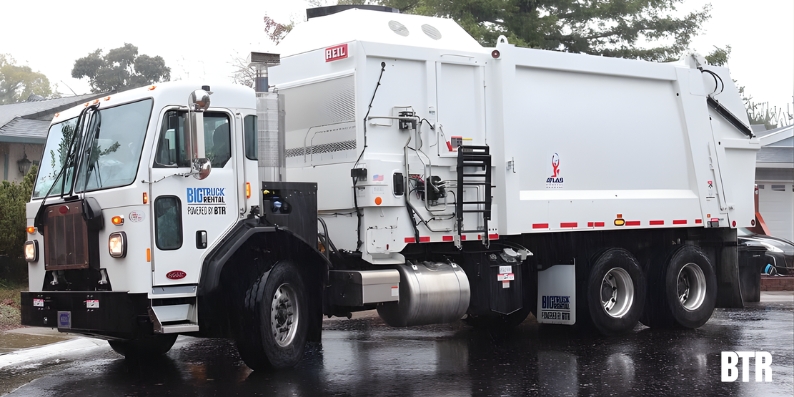
Cities that manage seasonal waste successfully focus on flexibility and planning. Routes are adjusted based on seasonal conditions. Schedules change to match demand. Maintenance is planned in advance rather than reacting to breakdowns.
Many municipalities now rely on short-term garbage truck rental strategies during peak seasons, emergencies, and cleanup periods to maintain route continuity without long-term fleet expansion. Temporary capacity allows cities to respond to change without locking themselves into permanent costs.
This approach helps cities avoid service gaps, missed pickups, and long delays during seasonal shifts.
How Big Truck Rental Supports Municipal Fleets
Big Truck Rental helps cities stay prepared for seasonal demand changes with flexible fleet support.
Through BTR’s complete fleet program, municipalities gain access to a full range of environmental trucks designed to support seasonal demand, emergency response, and long-term route stability. This allows cities to maintain service reliability while adapting to changing operational pressures throughout the year.
Short-term rentals give municipal fleets fast access to additional trucks during peak seasons, emergencies, and unexpected disruptions. This allows cities to keep routes running without long-term fleet expansion or heavy capital investment.
With flexible rental options, municipal waste collection routes stay covered even during the most demanding times of the year.
Final Thoughts
Seasonal challenges are part of municipal waste collection. Weather changes, shifting waste volumes, and road conditions will always affect how cities operate. Cities that plan ahead keep routes consistent, service reliable, and communities clean. Flexible fleet strategies, smart planning, and seasonal preparation make these changes easier to manage. Strong municipal waste collection systems are built on adaptability, not just equipment.
Keep Municipal Waste Routes Moving All Year
Big Truck Rental supports municipal fleets with flexible garbage truck rental options built for seasonal demand and changing conditions.
Reach out to us today to schedule rental support that helps keep your routes running smoothly through every season.
FAQs
Why do seasons affect municipal waste collection so much?
Seasonal changes impact road conditions, waste volume, and access to collection points. At Big Truck Rental, we see how weather, tourism, and cleanup seasons directly affect routes, which is why flexible fleet planning matters.
What season is the hardest for municipal waste services?
Winter is often the toughest due to snow, ice, road closures, and safety risks for crews. We help municipalities prepare with flexible fleet support that keeps routes covered when conditions become unpredictable.
How do cities prepare for seasonal waste surges?
Cities adjust routes, plan maintenance ahead of time, and use flexible fleet strategies. We support this by providing short-term rental trucks that help cities handle peak demand without long-term commitments.
How can municipal fleets avoid service disruptions during weather events?
Preparation, planning, and access to backup vehicles are critical. At Big Truck Rental, we provide fast rental support that helps cities respond quickly to disruptions and keep services running.
Can rental trucks help cities manage seasonal demand?
Yes, and we see it every season. Our rental solutions give municipalities the flexibility to add capacity when demand spikes, helping keep routes running smoothly without permanent fleet expansion.