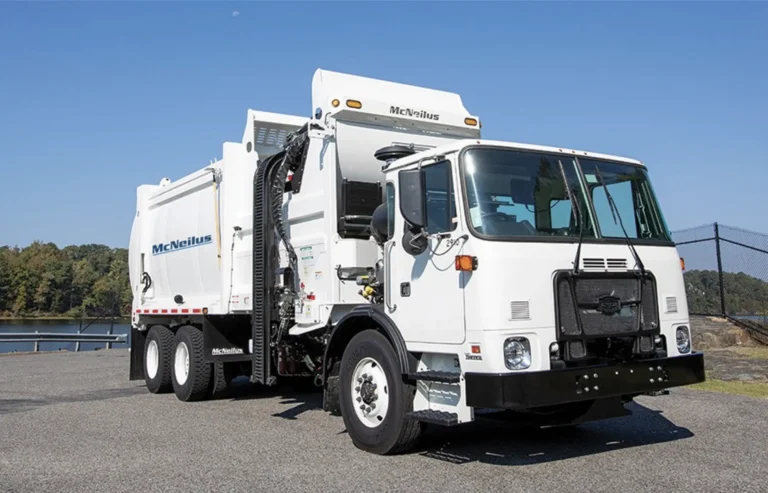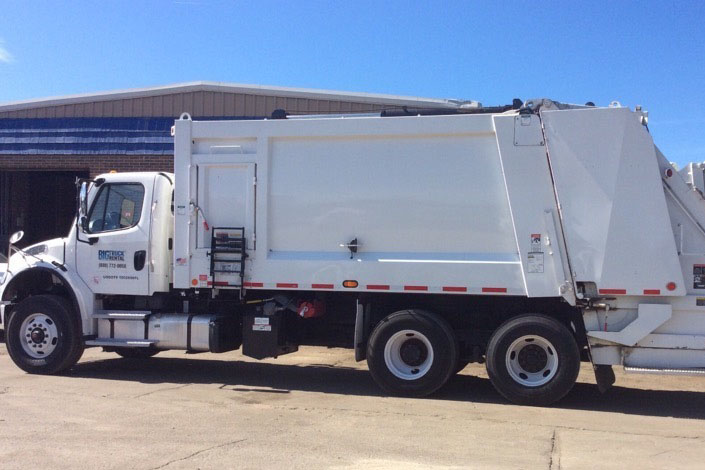
Running a successful waste-management business isn’t just about collecting trash. Two of the most important factors are choosing the right garbage truck and keeping your fleet in top condition. The wrong equipment or poor maintenance planning can lead to frequent breakdowns, missed routes, and higher costs. In today’s competitive market, waste haulers need trucks that are reliable, safe, and suitable for their specific routes.
This guide shares expert tips on choosing the right garbage truck for your operations and maintaining a fleet that remains dependable over time.
How to Choose the Right Garbage Truck for Your Business
1. Understand Your Route and Collection Needs
The first step in selecting a garbage truck is understanding the type of routes your fleet covers. Residential areas often require trucks that can navigate narrow streets and frequent stops. Commercial or industrial routes, on the other hand, may require trucks with larger capacities and front-loading capabilities.
Route density, stop frequency, and street width all play a role in determining which truck types will work best for your operation. Knowing these details upfront helps avoid overpaying for equipment that doesn’t fit your needs.
2. Know the Different Types of Garbage Trucks
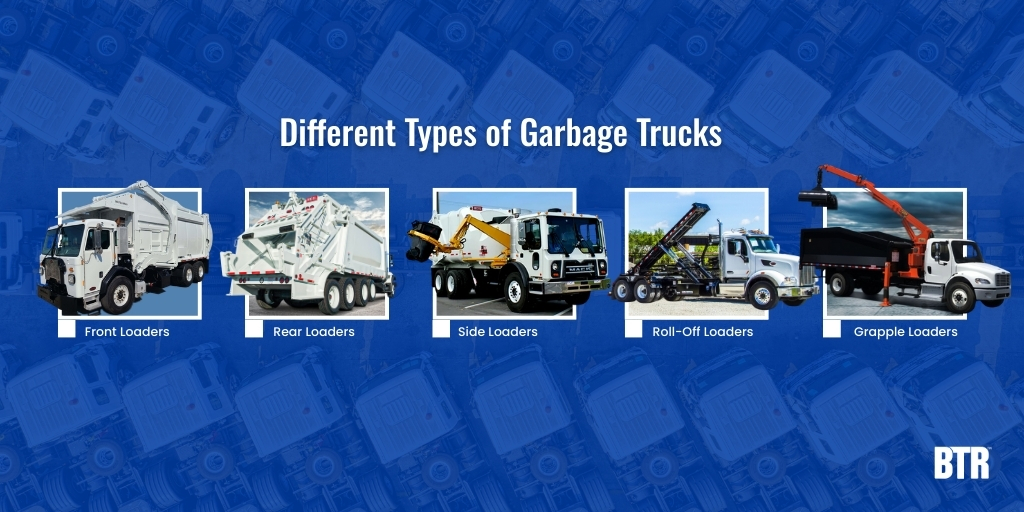
Garbage trucks are specialized for different collection types:
- Front loaders: Ideal for commercial and industrial waste that requires lifting large dumpsters.
- Rear loaders: Common for residential and manual collection routes.
- Side loaders: Used for automated residential pickups, reducing the need for multiple operators.
- Roll-off trucks: Designed for construction, demolition, and bulk waste hauling.
- Grapple trucks: Handle bulky waste, storm debris, and vegetation removal efficiently.
Understanding these types ensures your fleet can handle all types of waste safely and efficiently.
3. Consider Truck Size, Capacity, and Maneuverability
Selecting the right truck size is crucial. Matching payload capacity to your route volume prevents underutilization or overloading. Compact trucks are best for dense urban neighborhoods, while larger trucks may suit industrial routes with fewer stops but bigger loads.
Maneuverability is key to safety. Trucks that are too large for the route can cause accidents or delays, while undersized trucks may require extra trips, increasing operational costs.
4. New, Used, or Rental: Which Option Fits Best
Every business has different budget considerations:
- New trucks come with the latest safety and efficiency features, but have a higher upfront cost.
- Used or off-rent garbage trucks for sale offer a cost-effective option for growing fleets, especially when sourced from providers that regularly maintain and inspect equipment.
- Garbage truck rentals provide flexibility for peak seasons, testing new routes, or covering downtime without a permanent investment.
Big Truck Rental offers flexible options for fleets that need access to modern garbage trucks without committing to a purchase.
5. Safety and Operator Comfort Features
Operators spend hours behind the wheel, so comfort matters. Look for trucks with ergonomic cabs, intuitive controls, and excellent visibility. Modern safety features like rear cameras, automated braking, and collision alerts help prevent accidents and reduce operator fatigue. Comfortable and safe operators are more productive, which directly affects route efficiency.
How to Maintain a Reliable Garbage Truck Fleet
Build a Preventive Maintenance Schedule
Preventive maintenance is the best way to avoid costly downtime. Regular inspections of brakes, hydraulics, tires, and compaction units help catch issues before they become serious. A structured maintenance schedule ensures all trucks receive consistent attention, reducing the risk of unexpected breakdowns during busy collection periods.
Track Maintenance and Repair History
Keeping detailed logs of maintenance and repairs allows you to spot recurring issues and plan replacements proactively. Tracking service history helps identify trucks that may be nearing the end of their useful life, saving money and preventing emergencies.
Reduce Downtime with Smart Fleet Planning
Smart fleet planning balances maintenance with operational needs. Scheduling repairs and inspections during off-peak hours keeps trucks available when routes are busiest. Backup trucks or rental options can cover essential routes while the primary fleet is in service, ensuring operations continue smoothly.
Train Drivers to Support Fleet Health
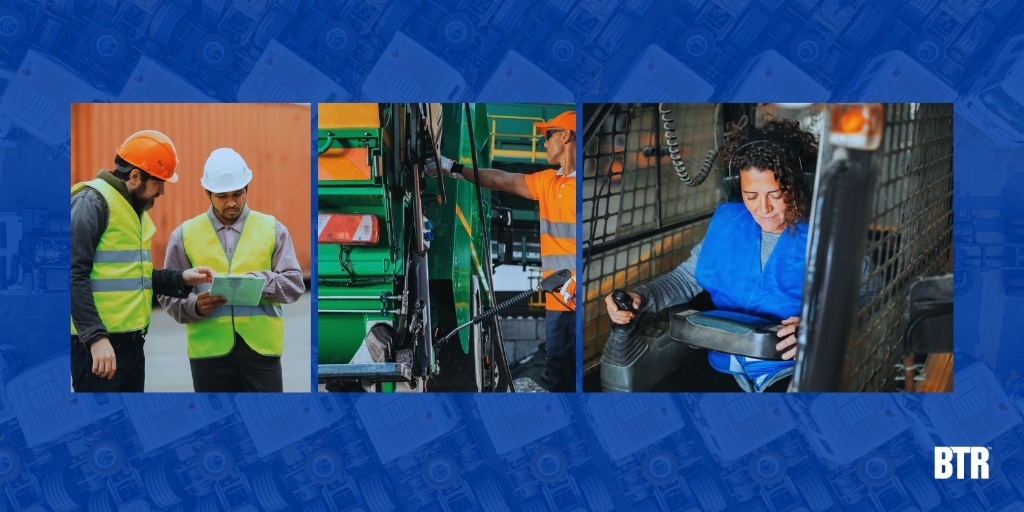
Operators are the first line of defense in keeping trucks running reliably. Training drivers to recognize early warning signs and perform daily inspections helps prevent common garbage truck problems from turning into costly repairs. Encourage drivers to report unusual noises, leaks, or slow compaction so maintenance teams can address issues before they escalate.
When to Repair, Replace, or Rent
Knowing when to replace, repair or rent a truck is essential. Signs that a truck may need replacement include frequent breakdowns, high repair costs, and outdated technology. Rentals offer a flexible solution for covering major repairs, seasonal surges, or testing new routes without permanent investment.
Final Thoughts
A dependable garbage truck fleet starts with choosing trucks that match your route, collection type, and capacity needs. Consistent maintenance protects your investment, reduces downtime, and keeps operations running smoothly. By combining smart purchasing decisions with flexible rental options from Big Truck Rental, waste-management businesses can remain efficient, prepared for peak demand, and ready to handle unexpected challenges.
Keep Your Garbage Truck Fleet Route-Ready
Big Truck Rental supports waste-management businesses with flexible garbage truck rental options that help cover maintenance cycles, growth periods, and unexpected downtime.
Contact us to explore reliable garbage truck rentals that keep your fleet moving and your routes on schedule.
FAQs
How do I choose the right garbage truck for my routes?
Start by looking at your route type and collection style. Residential routes often work best with side- or rear-loaders, while commercial routes usually require front-loaders or roll-off trucks. Street width, stop frequency, and daily volume all play a role in making the right choice.
What are the most common types of garbage trucks used today?
The most common types include front loaders, rear loaders, side loaders, roll-off trucks, and grapple trucks. Each is built for a specific job, so matching the truck to the waste stream improves efficiency and reduces equipment wear.
How often should garbage trucks be maintained?
Garbage trucks should follow a regular preventive maintenance schedule based on hours of use, not just mileage. Daily driver inspections, weekly checks, and scheduled service for brakes, hydraulics, and compaction systems help prevent costly breakdowns.
When does it make sense to rent a garbage truck instead of buying one?
Renting makes sense during peak seasons, when covering for trucks in the shop, or when testing new routes or truck types. It also helps avoid large upfront costs while keeping your fleet fully operational.
What causes the most downtime in garbage truck fleets?
Hydraulic system issues, brake wear, and compaction unit problems are some of the most common causes. Consistent maintenance, trained operators, and access to rental trucks can significantly reduce route disruptions.