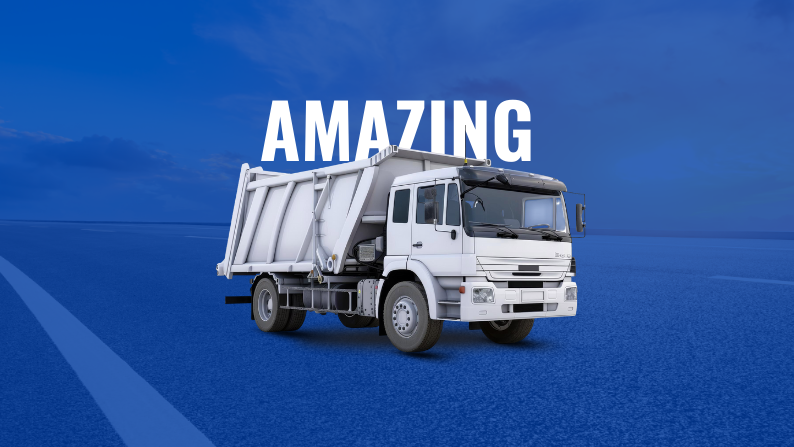
Garbage trucks might seem like the most ordinary vehicles on the road, but there’s a lot more to them than meets the eye. From complex mechanics to surprisingly clever features, these everyday workhorses have secrets most of us never notice. Once you start looking, you’ll see they’re full of surprises.
In this blog, we’ll share 10 amazing things you probably didn’t know about garbage trucks. From unusual designs to hidden functions, you’ll discover just how fascinating these essential machines really are and why they deserve more attention than just the “trash pickup” job.
Fact #1: Garbage Trucks Can Compact Thousands of Pounds of Waste
Garbage trucks aren’t just hauling trucks; they’re compaction machines. Some trucks can compress thousands of pounds of waste with every load. This is a clear example of how a garbage truck compactor works, as the hydraulic system pushes and compresses the trash to reduce its volume.
This compaction reduces the number of trips needed to the landfill, saving fuel, reducing emissions, and increasing route efficiency. It’s a key feature that keeps waste collection cost-effective.
Fact #2: Modern Trucks Use Technology to Improve Safety
Garbage trucks have evolved over time; now, garbage trucks are equipped with cameras, sensors, automated arms, and real-time monitoring systems.
BTR’s garbage trucks use technologies to help prevent accidents, guide drivers, and improve safety for crews and the public. Safety isn’t just about following rules; it’s about protecting drivers and communities alike.
Fact #3: There Are Several Types of Garbage Trucks
Not all garbage trucks are the same. Common types of garbage trucks include front loaders, side loaders, rear loaders, and roll-off trucks.
Each type is designed for specific routes and waste collection needs. Front loaders are often used on commercial sites, side loaders handle residential routes efficiently, and roll-offs serve construction or large debris-removal tasks.
Fact #4: Some Trucks Can Lift Over 1,000 Pounds With One Arm
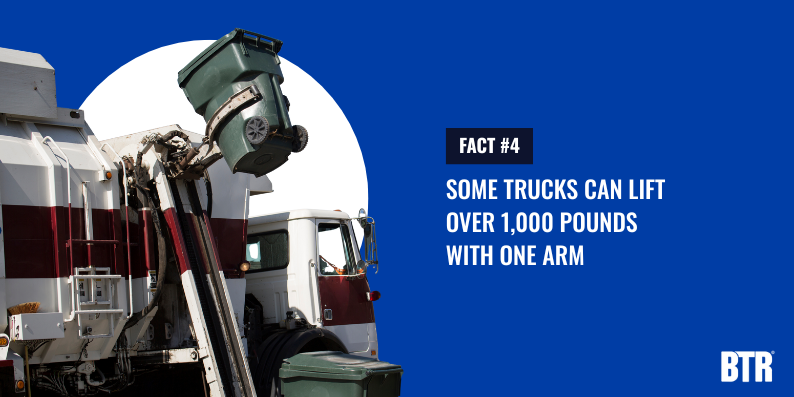
Automated arms on certain trucks can lift over 1,000 pounds in a single motion.
This feature boosts efficiency on residential routes, reducing the time crews spend handling heavy containers and minimizing driver strain.
Fact #5: Garbage Trucks Follow Strict Safety & Emissions Standards
Compliance with EPA regulations ensures trucks meet engine, emissions, and noise-control standards.
These rules protect communities and ensure fleets operate sustainably. Municipalities benefit from reduced environmental impact while maintaining reliable service.
Fact #6: Some Trucks Now Use Alternative Fuels
Alternative fuels like CNG, hybrids, and electric models are becoming common in modern fleets.
These options, especially the CNG option, reduce emissions, improve fuel efficiency, and often result in quieter operation. Large haulers and municipalities can use these trucks to meet sustainability goals.
Fact #7: Garbage Trucks Are Built to Withstand Extreme Conditions
From scorching heat to freezing winters, garbage trucks are designed to endure harsh conditions.
BTR’s garbage trucks feature reinforced frames, durable engines, and specialized components that keep them working day after day, no matter the weather.
Fact #8: Some Garbage Trucks Can Weigh Over 50,000 Pounds When Full
The capacity of a garbage truck is impressive. Fully loaded, some trucks can weigh more than 50,000 pounds.
Operators must plan routes carefully, considering road limits and safety factors. The design ensures trucks can carry maximum loads safely while still navigating urban streets efficiently.
Fact #9: There’s a Lot of Engineering Behind the Hopper
The hopper is where waste enters the truck and is directed to the compactor.
It’s engineered to handle debris, reduce jams, and sustain daily wear. A strong, reliable hopper is critical for uninterrupted collection and efficient compaction.
Fact #10: Short-Term Rentals Keep Fleets Moving During Breakdowns or Growth
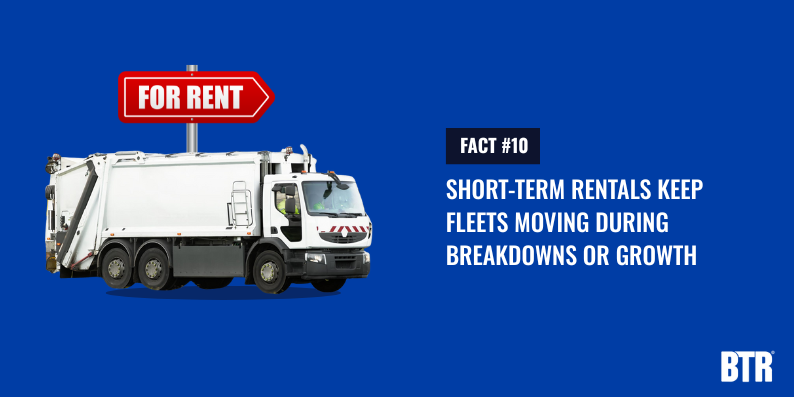
Short-term rentals from Big Truck Rental allow fleets to maintain service even during maintenance, seasonal spikes, or temporary growth.
Rental trucks provide flexibility, minimize downtime, and eliminate the need for large capital expenditures while keeping operations running smoothly.
Final Thoughts
Garbage trucks are more advanced and powerful than most people realize. Understanding their capabilities helps waste haulers and municipalities plan better, reduce costs, and maintain efficient, safe operations.
See These Garbage Truck Facts in Action
Now that you know what makes garbage trucks so powerful and surprising, the next step is to put the right one to work on your routes. Big Truck Rental offers environmental garbage trucks ready when your fleet needs support.
Contact us at Big Truck Rental today to get the right garbage truck on the road fast and keep waste operations running without delays.
FAQs
How do garbage trucks compact so much waste?
Garbage trucks use powerful hydraulic systems to press waste into a smaller space within the truck’s body. This allows a single truck to make multiple stops before unloading, saving time, fuel, and labor.
Why do fleets keep different types of garbage trucks available?
No single truck fits every route. Fleets need flexibility to match truck types to changing route needs, equipment downtime, or new service areas.
How do garbage trucks help reduce fuel use?
By compacting waste and carrying more per trip, trucks reduce the number of trips needed to unload. This lowers fuel use and keeps routes more efficient.
Do garbage trucks work differently in residential versus commercial areas?
Yes, residential routes often use automated side loaders, while commercial areas rely more on front-load trucks with forks. The truck choice depends on container size, pickup frequency, and space limitations.
Why do some garbage trucks have cameras on all sides?
Cameras help drivers see blind spots during tight turns and alley pickups. This reduces accident risk and supports safer operation in crowded neighborhoods.