Most people see a garbage truck roll by and never give it a second thought. Bags go in, the truck drives off, and the job looks simple from the outside. But inside that massive vehicle, there’s a whole process happening that most of us never stop to imagine.
In this blog, we’ll take a closer look at what actually happens inside a garbage truck, from powerful compacting systems to the innovative engineering that keeps everything running safely and efficiently.
Step 1: Waste Enters the Hopper

Everything starts at the hopper.
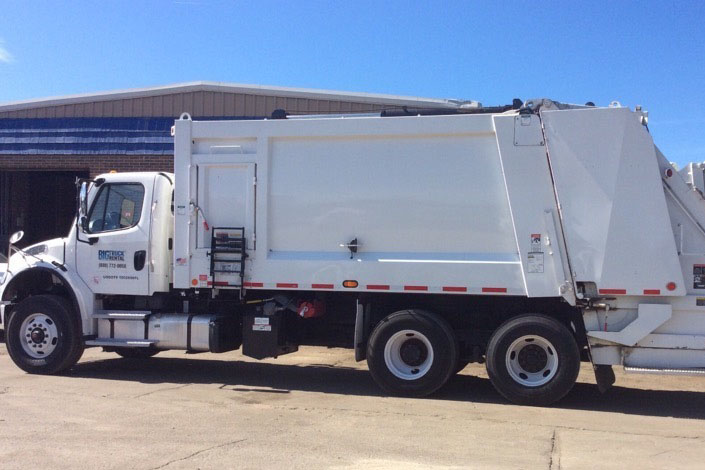
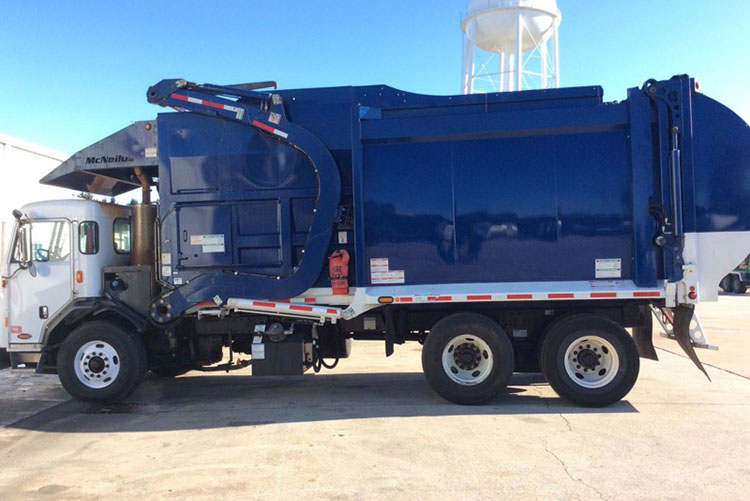
The hopper is the open area where trash first lands. Depending on the types of garbage trucks, waste enters in different ways. Rear load trucks receive bags tossed in manually. Side loaders use an automated arm to lift and dump carts. Front loaders lift large containers over the cab and empty them from above.
Once trash hits the hopper, it does not stay there long. The hopper is a holding area, not a storage space. Its job is to move waste into the truck body as quickly as possible.
Step 2: The Blade or Scraper Pulls Trash Into the Body
After waste enters the hopper, a blade or scraper moves it forward.
This blade slides across the hopper floor and pulls trash into the truck’s main body. It moves with steady force. The goal is control, not speed. Each pass clears the hopper, allowing the next load to enter without delay.
This step keeps collections moving. It also helps prevent jams that could slow down a route.
Step 3: Powerful Compaction Begins
Once trash reaches the main body, the garbage truck’s compactor mechanism takes over.
A compaction panel presses waste against the load already inside the truck. This pressure reduces volume, creating space for more trash. The panel repeats this motion many times during a route.
This compaction process explains how garbage trucks can carry such heavy loads without constantly stopping. Fewer trips mean less fuel use and tighter schedules.
Step 4: Waste Builds in Layers Inside the Truck Body
Compacted waste does not pile up randomly.
Inside the truck, trash forms layers. Each new load presses against the previous one. This creates a stable stack that fills the body evenly from front to back.
Layering matters. It helps balance weight and keeps the truck stable during turns and stops. It also allows crews to use the garbage truck’s full capacity.
Step 5: Liquids Drain into a Sump
Trash often includes moisture.
As waste compresses, liquids separate and drain downward. These liquids collect in a sump, which is a sealed area designed to hold runoff. This keeps fluids from spilling onto streets or mixing with mechanical parts.
It is a simple feature, but it plays a big role in cleanliness and safety.
Step 6: Sensors and Cameras Monitor the Process
Thanks to advances in garbage trucks, modern vehicles are equipped with sensors and cameras that track movement and pressure. These technologies give drivers a clear view of blind spots and internal areas, ensuring safer and more efficient operation.
This awareness reduces accidents and supports smoother operation, especially on tight residential routes.
Step 7: The Full Load Is Released at the Landfill or Transfer Station

When the truck reaches a landfill or transfer station, the process reverses.
An ejection panel pushes the compacted load out of the body. The trash exists as a solid mass rather than loose debris. Different trucks unload in different ways, but the goal stays the same.
Clear the load quickly. Get back on the route.
How Modern Technology Improves the Internal Process
Garbage truck systems have improved over time.
Hydraulic systems now run smoother and quieter. Onboard systems track performance and usage. Operators can spot issues early and avoid breakdowns.
Companies like Big Truck Rental support fleets by providing access to modern garbage trucks that already include these features. This helps haulers stay operational during growth, repairs, or seasonal demand without long delays.
Final Thoughts
What happens inside a garbage truck is far more organized than most people expect. From hopper to compaction to unloading, each step plays a role in keeping waste collection efficient and reliable. Understanding what happens inside a garbage truck gives new respect for the equipment that keeps communities clean every day.
Keep Your Fleet Moving with Reliable Garbage Trucks
Modern garbage trucks do more than collect waste. They rely on precise systems working together all day long. If your operation needs dependable equipment during growth, maintenance, or route changes, Big Truck Rental can help.
Reach out to us to learn more about rental options that keep your fleet running without interruption.
FAQs
How does a garbage truck compact trash?
A compaction panel presses trash against the load inside the truck body. This reduces volume so the truck can carry more waste per route.
Do all garbage trucks work the same way inside?
The core process is similar, but the hopper and loading method change depending on truck type. Front, side, and rear loaders each handle waste differently.
What stops trash from getting stuck inside the truck?
The blade and compaction system move waste in controlled steps. Regular motion helps prevent jams and keeps the hopper clear.\
Where does liquid waste go?
Liquids drain into a sealed sump at the bottom of the truck body. This keeps fluids contained until disposal.
Can drivers see what is happening inside the truck?
Yes. Many trucks use cameras and sensors to help drivers monitor loading and compaction during collection.