Listen to our CEO, Zach Martin on the Rental Roundtable Podcast talking about rental becoming a long-term fleet strategy – highlighting capital flexibility, technology, safety and automation, and the culture behind BTR.
Spotify
Apple Podcast
YouTube
Municipal Fleet Funding: One Challenge, Two Paths
Municipal leaders face growing pressure to deliver reliable waste and recycling services while navigating increasingly complex budget constraints. One of the biggest variables influencing fleet decisions is how a department is funded—most commonly through a general fund or an enterprise fund.
While these funding structures operate very differently, the outcome is often the same: aging fleets, deferred replacements, and mounting operational risk. At Big Truck Rental (BTR), we work with municipalities across both funding models, helping ensure uptime, predictability, and long-term fleet health—no matter how your department is funded.
Understanding General Fund Fleets
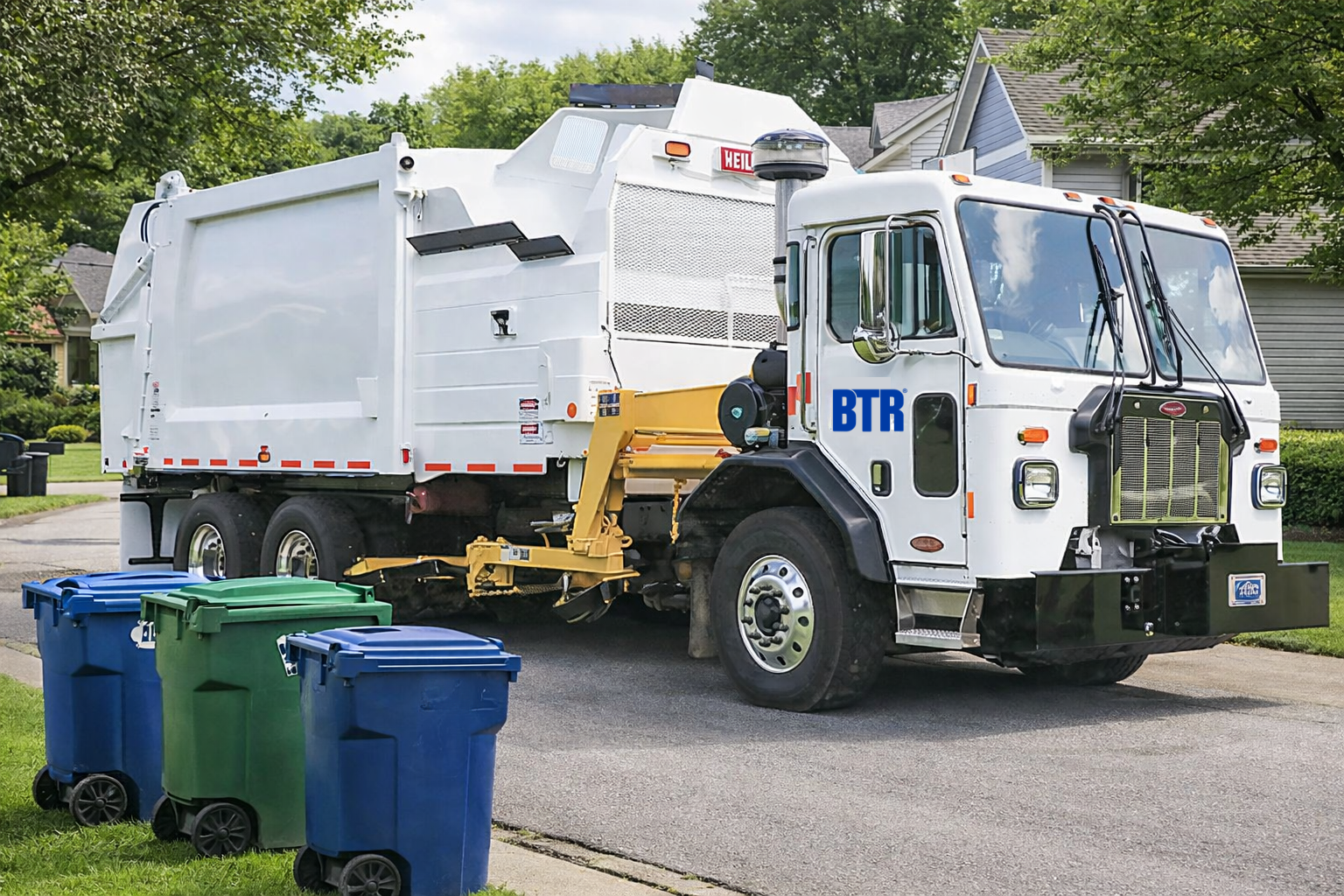
General fund departments draw from a shared pool of city revenue, typically funded by taxes and fees. These funds support multiple departments across the municipality, all competing for limited dollars.
For waste and recycling operations, this often creates challenges:
- Fleet replacement competes with higher-priority needs like police, fire, and schools
- Capital purchases require long-term planning and approvals
- Equipment replacement is frequently delayed or deprioritized
Over time, these delays can create a snowball effect—older trucks lead to higher maintenance costs, increased downtime, overtime labor, and service disruptions. What starts as a funding issue quickly becomes an operational one.
Enterprise Fund Fleets: More Control, Different Pressures
Enterprise fund departments operate more like standalone business units. Revenue generated through service fees is reinvested back into the department, offering greater control and flexibility.
These fleets tend to be more efficient, but they face their own pressures:
- Fleet uptime directly impacts revenue
- Capital investments must be carefully timed to protect cash flow
- Downtime affects both service levels and financial performance
Even with more autonomy, enterprise fund fleets still need solutions that balance reliability, cost control, and long-term planning.
The Common Challenge: Aging Fleets and Missed Opportunities
Regardless of funding structure, municipalities facing budget constraints often share the same reality:
- Aging or outdated trucks
- Missed replacement cycles
- Limited access to modern safety and efficiency features
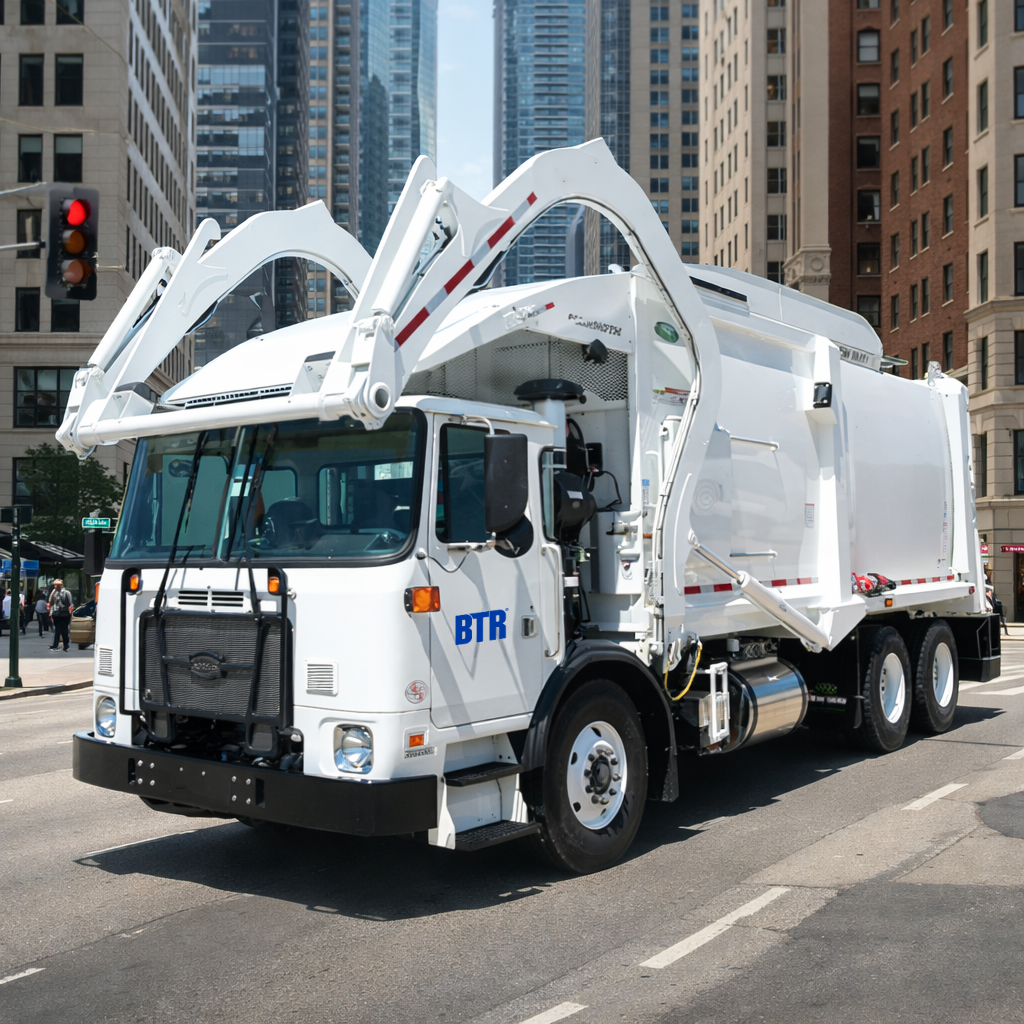
Automation—such as automated side loaders (ASLs) or grapple systems—is no longer a luxury. These technologies improve operator safety, reduce labor strain, and increase route efficiency. When funding limitations delay adoption, municipalities miss opportunities to modernize operations and protect their workforce.
How BTR Helps—No Matter How You’re Funded
Big Truck Rental’s Complete Fleet solutions are designed to work across both general and enterprise fund structures:
For general fund departments, BTR helps:
- Preserve capital
- Convert large purchases into predictable monthly operating costs
- Keep routes running even when budgets are tight
For enterprise fund departments, BTR helps:
- Align fleet costs with service revenue
- Protect cash flow
- Ensure reliable uptime that supports consistent service delivery
The result is the same for both: budget stability, modern equipment, and dependable service—without large upfront capital expenditures.
Turning Unpredictable Maintenance Costs into Predictable Operating Value
For many municipalities, the largest misconception around fleet modernization is the belief that it requires adding a new expense to the budget. In reality, most cities are already spending the money every month—just in the least efficient way possible.
Aging trucks drive unpredictable maintenance and repair (M&R) costs:
- Emergency breakdown repairs
- Rising parts and labor expenses
- Overtime to cover missed or incomplete routes
- Increased downtime and service disruptions
These costs already live inside municipal operating budgets, particularly for general fund departments. They are simply spread across repair lines, overtime, and reactive maintenance—making them volatile, hard to forecast, and difficult to defend during budget reviews.
With BTR’s Complete Fleet model, municipalities are not adding a new line item. Instead, they are redirecting existing dollars from unstable, reactive spending into a fixed, predictable operating cost.
Newer, like-new trucks mean:
- Fewer breakdowns and emergency repairs
- Warranty-backed maintenance that minimizes unexpected M&R spend
- Higher uptime and fewer makeup routes
- Reduced overtime and labor strain
The financial impact is straightforward: less money spent maintaining unhealthy assets, and more value generated from reliable equipment that performs every day.
In other words, municipalities aren’t spending more—they’re spending smarter. Complete Fleet replaces “bad spend” (unpredictable M&R and downtime costs) with “good spend” (a stable monthly operating expense that delivers reliability, safety, and service consistency).
One Flexible Solution for Every Municipality
Funding models may differ, but community expectations do not. Residents count on consistent, safe, and reliable waste and recycling services every day.
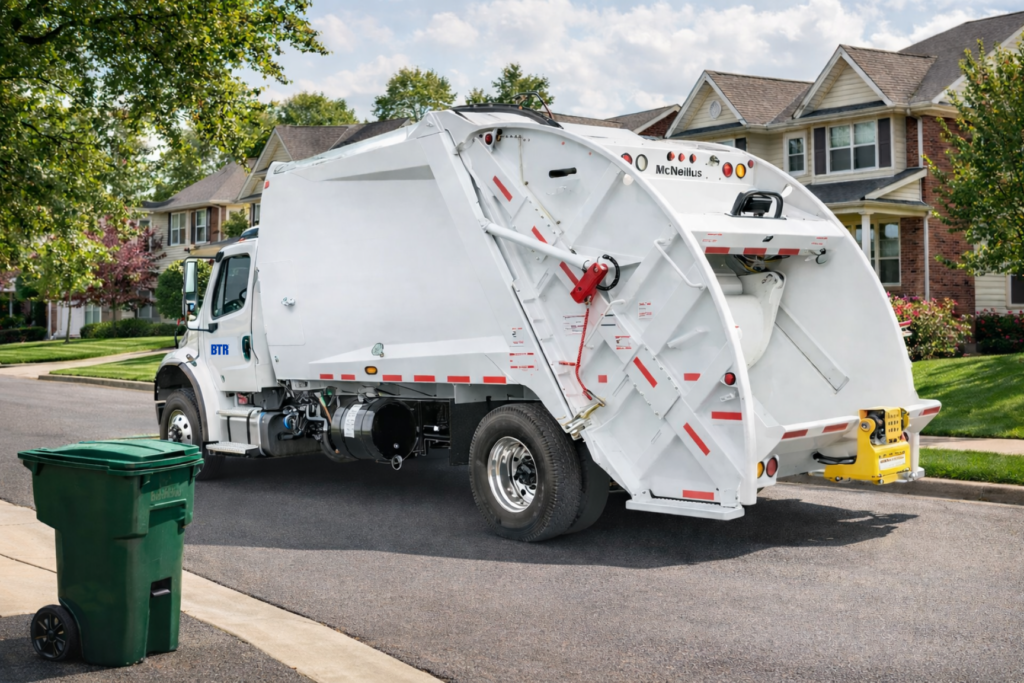
BTR provides a flexible, scalable fleet strategy that adapts to your funding structure—not the other way around. With built-in maintenance, predictable costs, and access to modern equipment, municipalities can focus on service delivery instead of fleet uncertainty.
No matter how your fleet is funded, your community depends on uptime.
Let’s build a smarter, more reliable municipal fleet strategy together.
Talk to a municipal fleet expert today!
FAQs
How do garbage truck breakdowns impact municipal budgets?
Breakdowns create unplanned costs like emergency repairs, overtime, missed routes, and service disruptions. Over time, they make maintenance spending unpredictable and harder to budget.
How do municipalities pay for garbage trucks without using capital?
Many cities use rental or rent-to-purchase options to avoid large upfront purchases. This shifts fleet costs into a predictable monthly operating expense while keeping routes running.
What are the risks of running an aging municipal fleet?
Older fleets lead to more breakdowns, higher repair costs, increased downtime, and greater safety risk. They also delay access to modern automation and efficiency upgrades.
How does fleet rental support route reliability residents notice?
Rental helps keep newer, more reliable trucks on the road with fewer breakdowns and less downtime. That means fewer missed pickups, fewer makeup routes, and more consistent service.
What is the difference between leasing and renting municipal fleet trucks?
Leasing is typically a longer-term financing-style arrangement with more rigid terms. Renting is usually more flexible and focused on uptime, availability, and predictable monthly costs.