Year-end can feel busy for independent waste haulers. It is the time when expenses pile up, records need organizing, and decisions about equipment and operations matter more. This is also the moment when smart planning helps you keep more of what you worked hard for all year.
Many haulers look at BTR’s short-term truck rentals during this season to stay flexible while preparing for year-end reporting. Rentals can support operations without forcing a long commitment, and the costs can also contribute to your deductible expenses. With the right approach, you set yourself up for a smoother tax season and a stronger financial start next year.
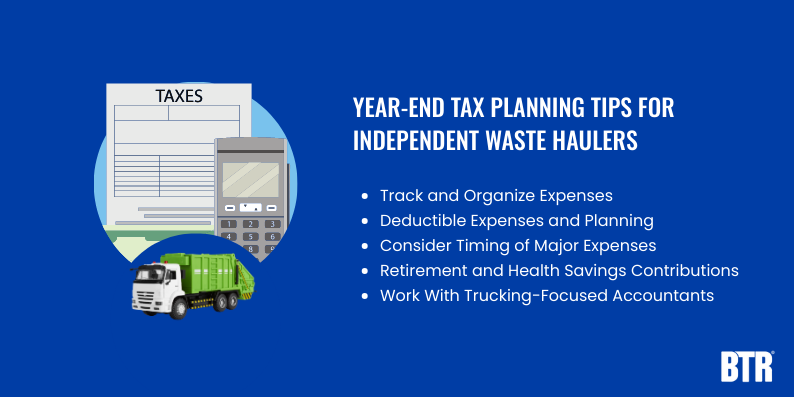
Track and Organize Expenses
Expense tracking is one of the simplest ways to reduce stress later. Fuel, maintenance, insurance, tolls, and travel often account for the bulk of waste haulers’ spending. Keeping these records tight gives you a clear picture of your year and helps you avoid missing out on deductions.
Many haulers now use digital tracking tools. These tools store receipts, organize categories, and create summaries you can share with your accountant. This helps you stay compliant and saves time during reporting. Consistent tracking also enables you to budget better for the coming year.
Deductible Expenses and Planning
Independent waste haulers usually have a wide range of deductible expenses. Fuel costs, repair work, maintenance, and insurance are commonly claimed. Short-term truck rentals can also be included as a business expense. These rentals give you flexibility and help you keep operations moving without the cost of long-term commitments.
Planning helps you stay organized. If you expect higher operational needs before the year ends, scheduling rentals early keeps your fleet ready and supports your cash flow. Good record-keeping ensures each deductible item is accounted for.
Consider Timing of Major Expenses
Timing can influence how much you can deduct this year. Renting a garbage truck or scheduling major repairs before December 31 can help you reduce taxable income. Many haulers review their upcoming work schedule to decide whether adding a rental before year-end benefits their totals.
If you own trucks, you and your accountant can review depreciation opportunities. The goal is to align your spending timeline with your tax plan so you can manage both your budget and your reporting needs.
Retirement and Health Savings Contributions
Retirement and health accounts can help reduce taxes while building long-term security. Many business owners use a SEP IRA or Solo 401(k). Others add an HSA if they qualify. These accounts let you save for the future while lowering your taxable income today.
Independent haulers often overlook these programs because the focus stays on equipment and operations. Yet even small annual contributions help you build financial stability while reducing your tax bill.
Work With Trucking-Focused Accountants
Waste hauling has unique expenses that general accountants might overlook. Transportation experts are familiar with common deductions, such as mileage, maintenance, travel, and daily meal costs. They can also explain the tax implications of renting trucks versus buying them.
Short-term rentals may bring advantages for haulers who need to adjust fleet size or cover downtime. An accountant who knows the industry can help you decide which approach supports your goals and keeps your reporting accurate.
For more insight on trucking-related tax guidance, the IRS provides helpful information through the Trucking Industry resource and organizations like OOIDA share practical support for operators.
Final Thoughts
Year-end planning gives independent waste haulers the chance to strengthen financial records, improve deductions, and prepare for a more efficient year. With clear expense tracking, smart scheduling, and support from the right accountant, your year-end reporting becomes easier and more productive. This is also a great time to consider short-term rentals from Big Truck Rental to stay flexible and efficient.
Talk to Big Truck Rental About Smart Year-End Planning

If you want to stay flexible and control costs as the year ends, explore Big Truck Rental’s short-term options. Our team can help you choose the right rentals to support your operation. Contact us today to get started.
FAQs
What expenses can independent waste haulers usually deduct?
Fuel, repairs, maintenance, insurance, and business-related travel are common deductible expenses. Short-term truck rentals can also count if used for your hauling work.
Are short-term rentals helpful for year-end planning?
Yes. Rentals help you stay operational without a long commitment. They also count as business expenses, which can support your year-end reporting.
Do waste haulers need to track every small receipt?
It helps. Even small costs add up over the year. Using digital tools makes it easier to store and organize everything.
Can retirement contributions lower my taxes?
They can. Accounts like a SEP IRA, Solo 401(k), or HSA offer tax advantages while helping you save for the future.
Should I work with an accountant who knows the hauling industry?
Definitely. Someone familiar with transportation can identify deductions you might miss and explain how renting or buying trucks affects your tax plan.